


A Paradise Under Pressure
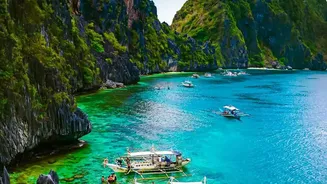
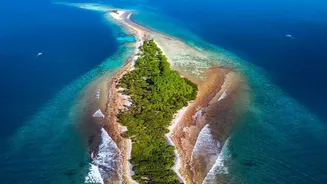
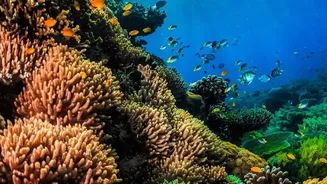
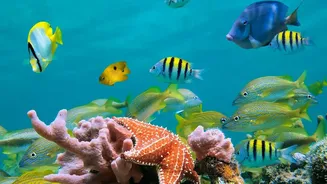
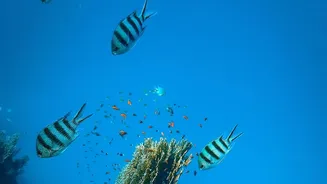
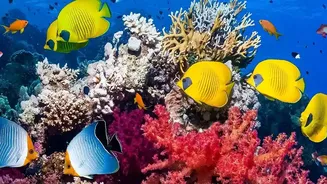
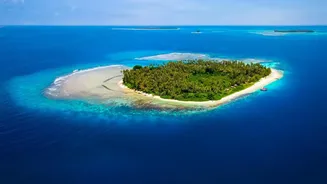
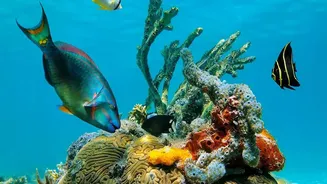
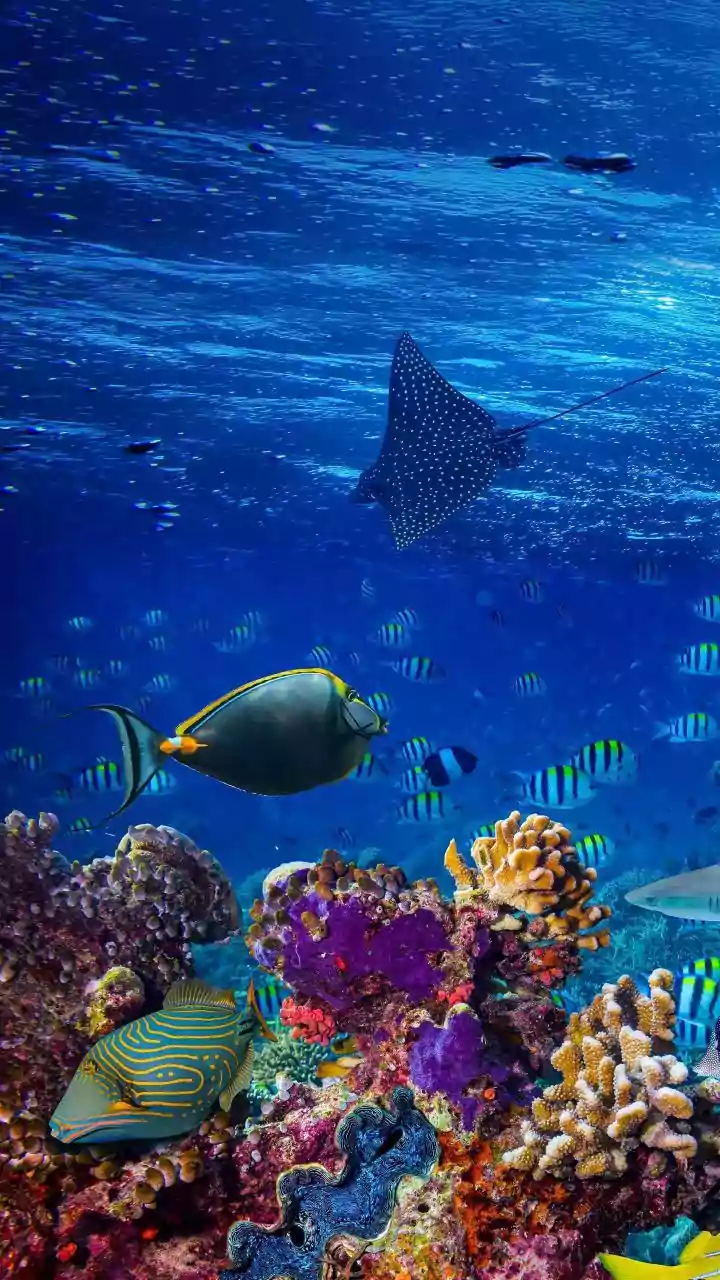
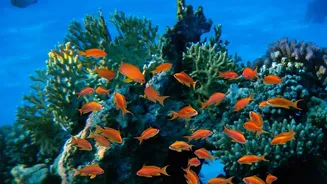
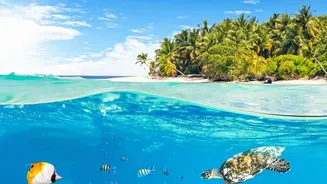
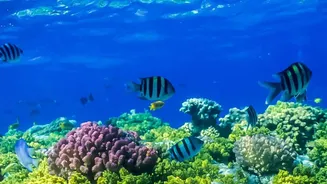
Lakshadweep is an archipelago of 36 islands, renowned for its pristine beaches, turquoise lagoons, and vibrant marine ecosystems. These islands are built on coral atolls, which host over 100 species of coral and around 600 species of fish. However, this
delicate environment faces significant threats. Climate change leads to rising sea temperatures and coral bleaching, while human activities like unregulated tourism, pollution, and overfishing add further pressure. The islands' small landmass and limited freshwater resources make them particularly vulnerable to environmental degradation, highlighting the urgent need for a balanced approach to development.
The New Rules of Responsible Travel
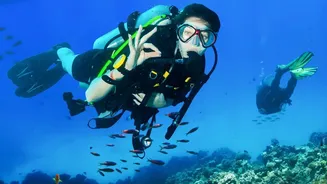
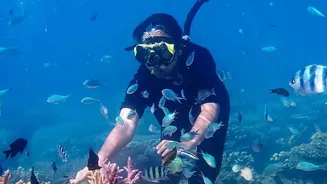
To counter these threats, Lakshadweep has implemented a strategy centered on eco-friendly tourism. The administration, through bodies like the Society for Promotion of Nature Tourism and Sports (SPORTS), manages tourism to ensure it remains sustainable. Key protocols include mandatory entry permits for tourists, which helps manage visitor numbers. There are strict guidelines for water sports like scuba diving and snorkeling to prevent damage to the fragile coral reefs. Furthermore, there is a strong focus on eco-friendly infrastructure, with resorts incorporating solar power, rainwater harvesting, and robust waste management systems to minimize their carbon footprint. In February 2026, the National Green Tribunal even mandated that all tourism projects must adhere to strict environmental norms, including proper waste disposal and regular compliance audits.
Protecting Endangered Marine Life
The protocols directly contribute to the protection of several endangered species. Lakshadweep is a critical habitat for green and hawksbill sea turtles, both of which are endangered. Conservation efforts, supported by eco-tourism funds, focus on protecting their nesting sites. Another key protected species is the sea cucumber, which is crucial for the health of coral reef ecosystems. To combat illegal poaching for international markets, the administration established the world's first sea cucumber conservation reserve, a 239-square-kilometer protected area. This, along with two other large marine reserves, helps safeguard the entire food web, from corals and fish to the marine birds that depend on them.
Community at the Core
A cornerstone of Lakshadweep's sustainable model is the deep involvement of the local community. Local communities are seen as natural stewards of the islands' ecological and cultural assets. Many conservation initiatives are run with community participation, blending traditional knowledge with scientific approaches. This collaborative spirit extends to tourism, where local involvement ensures that development benefits residents and respects cultural heritage. Organisations like the Lakshadweep Marine Research and Conservation Centre, founded by young islanders, work closely with fishermen and students on conservation projects for sea turtles and birds, fostering a sense of ownership and responsibility for the environment.
A Blueprint for Sustainable Futures
While challenges remain, including concerns from some experts about the scale of future development projects, Lakshadweep's current model offers a promising blueprint for how tourism and conservation can coexist. The emphasis on limited, high-value tourism over mass-market travel, combined with strict regulations and community partnership, demonstrates a path forward for other ecologically sensitive destinations. By reinvesting tourism revenue into environmental protection and local infrastructure, the islands are creating a virtuous cycle. This approach ensures that visitors can experience the area's natural beauty while actively contributing to its preservation for generations to come.