



The Hidden Dangers of a Damp Coat
Letting your pet air-dry might seem harmless, but trapped moisture creates a perfect breeding ground for problems. Prolonged dampness against the skin can lead to painful skin infections, both bacterial and fungal. [1, 15] This environment can cause acute
moist dermatitis, commonly known as "hot spots"—red, inflamed, and itchy patches of skin that can be very painful for your pet. [7, 21] Furthermore, wet fur is significantly more prone to tangling and matting. [4, 5] Mats are not just unsightly; they can pull tightly on the skin, causing pain, restricting movement, and hiding parasites like fleas and ticks. [18] In some cases, severe matting requires a full shave-down to resolve, making prevention key.
Your Essential Drying Toolkit
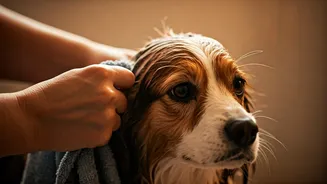
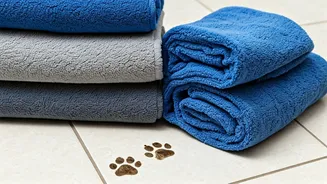
Having the right tools makes the drying process faster, safer, and more effective. Start with a highly absorbent pet towel to blot away as much excess water as possible. [6] Avoid vigorous rubbing, which can cause tangles and irritate the skin. [7] For a thorough dry, especially for pets with thick or long coats, a pet-specific blow dryer is an excellent investment. Unlike human hair dryers, these are designed to operate at lower temperatures and with higher air velocity, pushing water out of the coat without risking burns. [24] Finally, have your brushes and combs ready. A slicker brush and a metal comb are essential for the final, most important step. [3]
A Step-by-Step Guide to Safe Drying
First, towel-dry your pet by gently patting and squeezing the fur. [6] Focus on areas that hold more moisture, like the underbelly, legs, and tail. Once you've removed as much water as you can with a towel, you can move to the blow dryer. Introduce your pet to the dryer slowly, starting on the lowest speed and heat setting. [2, 6] Keep the dryer moving constantly and at a safe distance from the skin to prevent heat concentration. [6] Use one hand to hold the dryer and the other to fluff the fur, allowing air to reach the undercoat. Pay special attention to hidden areas like armpits, groin, and between the toes. [11] Your pet is fully dry only when the fur feels dry right down to the skin.
Brushing: The Non-Negotiable Final Step
Drying and brushing go hand-in-hand. Brushing a completely dry coat is the final, critical step to prevent mats and ensure skin health. A common mistake is only brushing the top layer of fur, which can leave a hidden layer of tangles near the skin. [3] Use a slicker brush to go over the entire coat, then follow up with a metal comb. The comb is your test: if it can’t pass smoothly from the skin to the tip of the fur, you have found a tangle that needs to be gently worked out. [16] This post-drying brush-out removes any remaining loose hair, prevents future tangles, and distributes natural skin oils, leaving the coat healthy and shiny. [22] It's also a great time to check for any skin irritation, redness, or pests. [20]
Make Grooming a Bonding Experience
Grooming shouldn't be a battle. With patience and positive reinforcement, the drying and brushing process can become a cherished part of your routine. Start grooming sessions when your pet is calm and relaxed. Use plenty of praise and treats to create a positive association with the tools and the process. Keep sessions short in the beginning, gradually increasing the time as your pet becomes more comfortable. A consistent, gentle routine not only maintains your pet’s physical health but also strengthens the bond you share. It's a hands-on way to show you care, ensuring they are not only clean but also comfortable, healthy, and happy.