



Understanding Your Balcony’s Shade
Before you start planting, it’s helpful to understand what 'shade' really means. Most shady balconies aren’t completely dark; they often receive a few hours of indirect or dappled sunlight. Partial shade typically means two to five hours of direct sun per
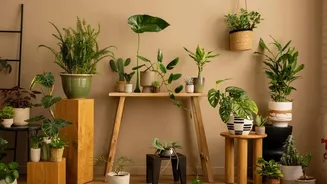
day, often in the morning. This is different from full shade, which receives little to no direct sunlight. Most of the herbs on this list will thrive in partial shade, especially if it protects them from the intense afternoon sun, which can scorch their leaves. For many apartment dwellers, an east-facing balcony that gets gentle morning light is an ideal spot for these plants.
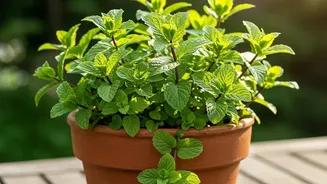
Mint (Pudina): The Indestructible Favourite
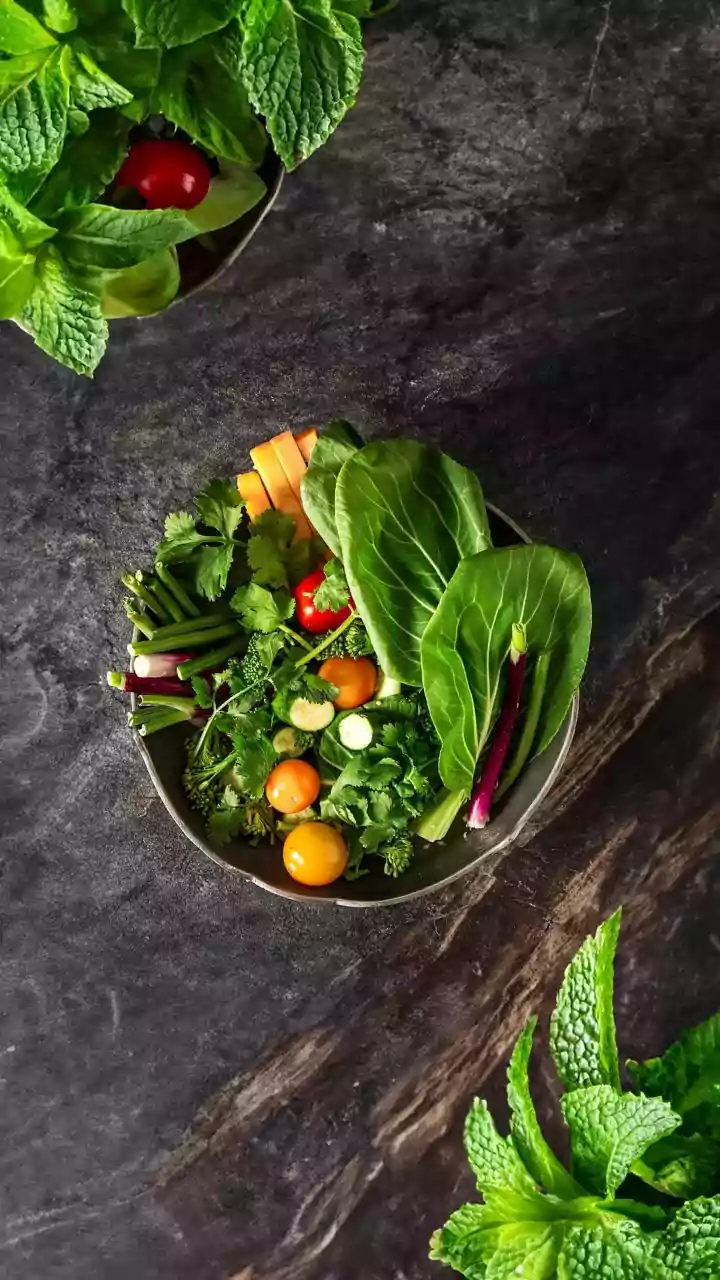
If you can only grow one herb in the shade, make it mint. This vigorous plant is famously easy to grow and actually appreciates some protection from intense sun. While it can survive in full sun, partial shade often results in lusher, more tender leaves. Mint prefers consistently moist soil, which is easier to maintain in a shadier spot where evaporation is lower. Because it spreads aggressively through runners, growing it in a container is highly recommended, making it perfect for balconies. Whether you’re making chutney, a refreshing summer drink, or a cup of herbal tea, having fresh pudina on hand is a game-changer.
Coriander (Dhaniya): The Herb That Welcomes Shade
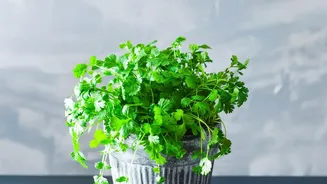
Coriander is a staple in Indian kitchens, but it has a reputation for being tricky to grow, primarily because it tends to 'bolt' (flower prematurely) in hot weather. This is where a shady balcony becomes an advantage. Growing coriander in a spot that is shaded from the harsh midday and afternoon sun can prolong its leafy stage, giving you a longer harvest period. It thrives in cooler conditions and with consistent moisture. For best results, sow seeds directly into your pot, as coriander dislikes having its roots disturbed during transplanting. A continuous supply can be ensured by sowing a new batch of seeds every few weeks.
Parsley: The Versatile Kitchen Staple
Like its cousin coriander, parsley does very well in partial shade. In fact, too much direct sun can cause its leaves to turn yellow. An ideal location would be one that receives morning sun and afternoon shade. Parsley is a biennial, meaning it has a two-year life cycle, but it is typically grown as an annual for its leaves. It requires consistently moist, rich soil to produce tender, flavourful foliage. Both the flat-leaf (Italian) and curly varieties are suitable for container gardening. Harvest the outer stems first to encourage new growth from the centre of the plant.
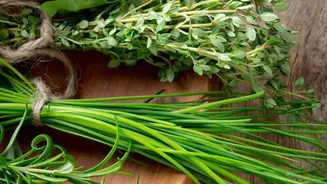
Chives: The Subtle Onion Flavour
Chives are a member of the onion family and are remarkably tolerant of lower light conditions. While they produce more robust growth in full sun, they will still provide a steady supply of their mild, onion-like leaves in a partially shaded spot. These hardy perennials are easy to care for and look beautiful in pots, with slender, grass-like leaves and attractive purple flowers (which are also edible). Regular trimming encourages new growth. Simply snip what you need from the outside of the clump, leaving the rest to continue growing.
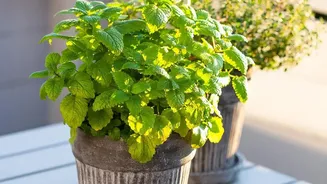
Lemon Balm: The Zesty Mint Relative
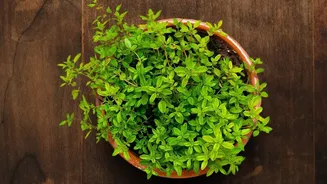
A member of the mint family, lemon balm shares many of its relative’s characteristics, including a tolerance for shade and a tendency to spread if not contained. It thrives in moist soil and partial shade. The plant releases a wonderful, citrusy scent when you brush against its leaves. These leaves are perfect for making a calming herbal tea or adding a zesty, lemony flavour to fish dishes, salads, and desserts. Like mint, it's best grown in its own pot on a balcony to keep its growth in check.