


A Perfect Season for Planet Hunting
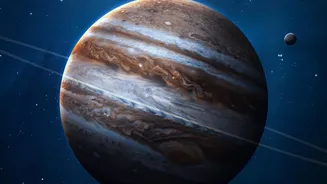
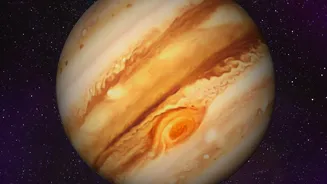
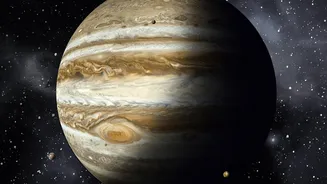
Autumn 2026 offers a wonderful window for viewing Jupiter. The giant planet will be a brilliant, steady light in the eastern sky before sunrise throughout September, October, and November. The cooler autumn air often provides clearer, less hazy skies,
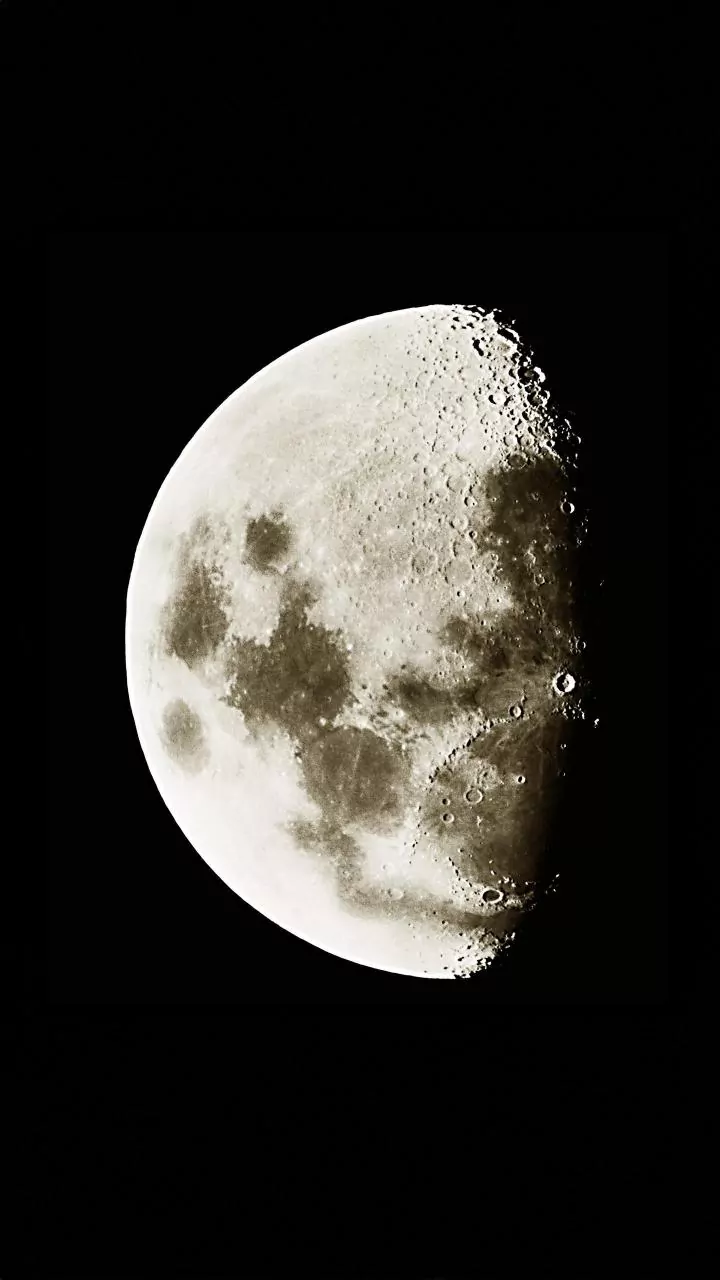
making for sharper views. Jupiter will be unmistakable; it won't twinkle like a star but will shine with a powerful, consistent glow. For those in North America, a particularly special event occurs on the morning of October 6, 2026, when the Moon will pass directly in front of Jupiter, an amazing event known as an occultation that is easily visible in binoculars. This provides a perfect target to get kids excited about looking up.
Gearing Up: You Don’t Need a Telescope
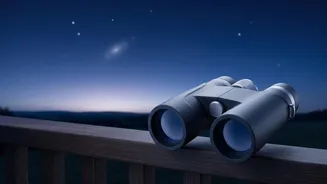
The phrase "amateur astronomy" can sound intimidating, but the equipment required for this adventure is surprisingly simple. A standard pair of binoculars is all you need to see Jupiter's four largest moons, known as the Galilean moons. Look for binoculars marked as 7x50 or 10x50. The first number is the magnification (7x or 10x), and the second is the diameter of the large lenses in millimeters. A 50mm lens is great for gathering light from faint objects in the night sky. The most important accessory is stability. A simple tripod with a binocular adapter will make a world of difference, as even small hand-shakes can make the tiny moons impossible to spot. If you don't have a tripod, you can get a surprisingly steady view by bracing your arms on a fence, a car roof, or the ground.
Finding the King of Planets
Locating Jupiter is the easiest part of the journey. Simply head outside about an hour before sunrise and look towards the eastern horizon. Jupiter will be one of the brightest objects in the sky, appearing like a very bright, unblinking star. To help your kids feel like true astronomers, download a free stargazing app on your phone. Apps like Stellarium, SkyView, or Star Walk allow you to point your phone at the sky and will instantly identify planets, stars, and constellations. This not only confirms you're looking at Jupiter but also helps you explore other celestial sights nearby. Remember to give your eyes time to adjust to the darkness—it can take 20 minutes to achieve true night vision. Using a red-light flashlight will help preserve your night vision while you get set up.
The 'Wow' Moment: Spotting the Moons
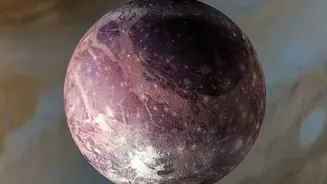
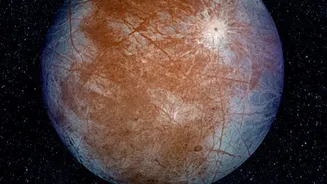
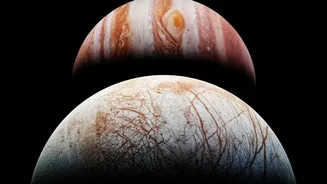
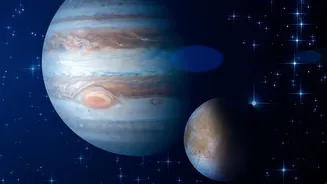
Once you have Jupiter centered in your stabilized binoculars, the magic happens. Instead of a single point of light, you will see a small, distinct disc. Look closely to the sides of this disc for up to four tiny, faint pinpricks of light, all arranged in a nearly straight line. These are Io, Europa, Ganymede, and Callisto—Jupiter's Galilean moons. Depending on the night, you might see all four, or you might only see two or three if the others are hiding behind or in front of the planet on their journey around it. Their positions change from night to night, creating a different view each time you look. Remind your kids that they aren't just seeing distant stars; they are seeing other moons, some of which are larger than our own.
Making It a Family Adventure
The key to introducing kids to a new hobby is to make it fun, not a lecture. Turn your stargazing session into a cozy event. Bring out blankets, pillows, and a thermos of hot chocolate. Tell the story of Galileo Galilei, who first spotted these moons in 1610, a discovery that changed our understanding of the solar system. Encourage your kids to draw what they see in a special "astronomy logbook," noting how many moons they spotted and where they were positioned. Don't push for a long session; even 15-20 minutes of focused observation can be a huge success. The goal is to spark curiosity and create a positive memory, not to conduct a formal science lesson. The warmth and wonder of the experience will be what they remember most.