

More Than Just Second-Hand
For generations, hand-me-downs and reusing clothes were common practice in Indian households, born from a mindset of resourcefulness. Today's thrifting culture, however, is a different phenomenon. It's a conscious choice, not just a necessity. At its
heart is the concept of 'circular fashion,' an economic model focused on extending the life of garments to reduce waste and environmental impact. Unlike the linear "buy, wear, discard" model of fast fashion, which contributes heavily to landfill waste and pollution, circular fashion aims to keep clothing in use for as long as possible through reuse, repair, and recycling. This new wave, championed by Gen Z and millennials, reframes pre-owned clothing as not just sustainable but also aspirational.
The Instagram Thrift Store Boom
Much of this cultural shift has been powered by social media, particularly Instagram. The platform has become a sprawling digital marketplace, home to thousands of online thrift stores run by young entrepreneurs. These digital boutiques feature curated collections of pre-loved clothing, often presented with an aesthetic flair that appeals to style-conscious buyers. Store owners announce 'drops'—timed releases of new inventory—that can sell out within minutes, creating a sense of excitement and urgency. This online ecosystem has made thrifting more accessible and organized, helping to dismantle the old stigma associated with buying used goods and turning it into a thrilling digital treasure hunt.
The Drivers: Conscience, Cost, and Creativity
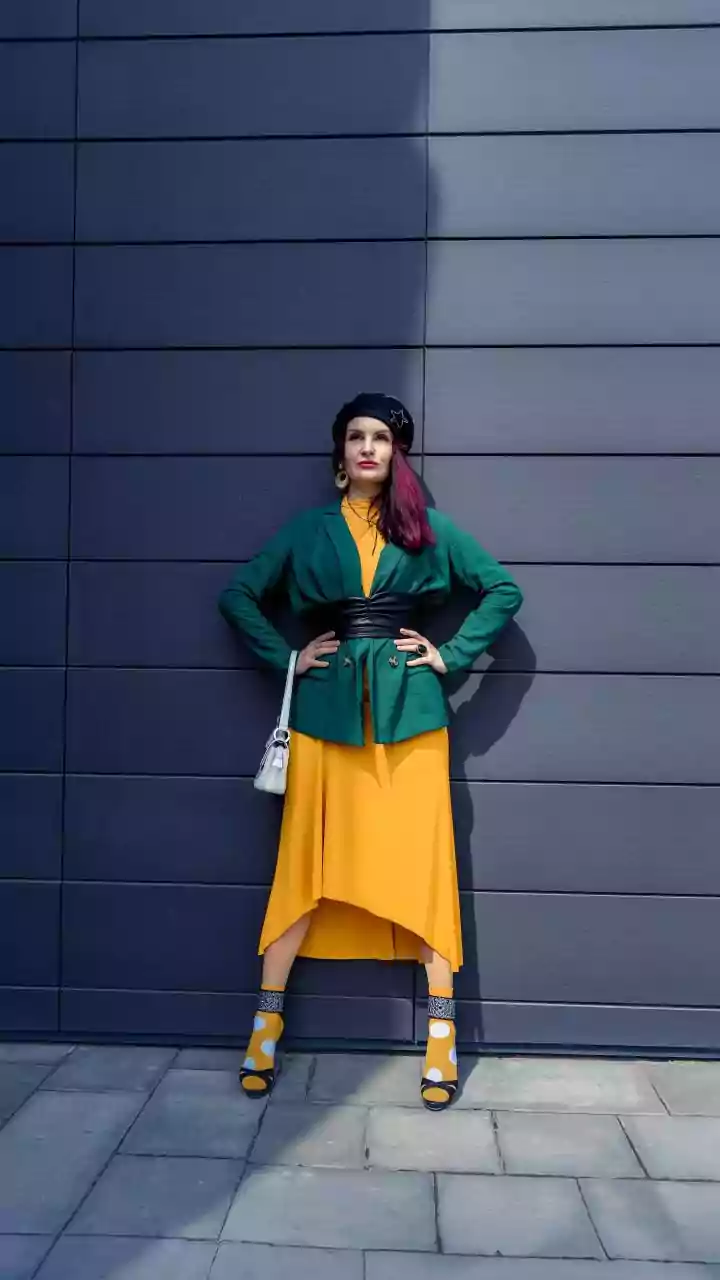
The appeal of thrifting is threefold. Firstly, a growing environmental consciousness among young Indians is a major driver. Aware of the fashion industry's heavy environmental footprint, many are choosing thrifting as a guilt-free way to shop and a form of resistance against over-consumption. Secondly, affordability is a powerful motivator. Thrifting offers access to high-quality, branded, or unique pieces at a fraction of their retail price, a compelling proposition for students and young professionals on a budget. Finally, thrifting is a celebration of individuality. In a world of mass-produced fast fashion, pre-loved clothing offers a chance to find one-of-a-kind items and cultivate a personal style that stands out from the crowd.
Navigating the Pre-Loved Market
Despite its rapid growth, the thrifting landscape in India is not without its challenges. The largely informal and online nature of the market means that quality control, sizing, and hygiene can be inconsistent. Unlike established markets in the West, India has few physical thrift stores, limiting access for those who aren't online. Buyers often rely on the seller's reputation and detailed descriptions, as returns and exchanges can be difficult. Furthermore, some have pointed out that not all items marketed as 'thrifted' are genuinely pre-owned; some may be factory rejects or clearance stock, which slightly blur the lines of circular fashion. However, for many enthusiasts, the patient hunt for rare gems is part of the appeal.