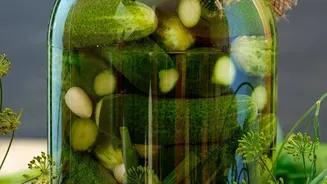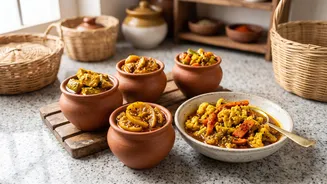



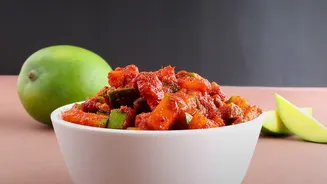
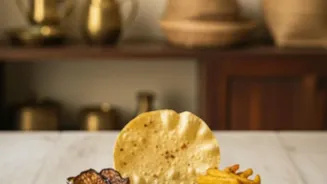

In the hustle of modern Indian life, the familiar tang of homemade 'achaar' is making a powerful comeback. More than just a condiment, this resurgence is driven by small-scale producers bottling tradition and connecting city kitchens to their native roots.
A Growing Appetite for Authenticity
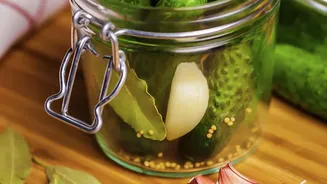
In urban India, a quiet food revolution is taking place. As lifestyles get busier and nuclear families become the norm, the tradition of making pickles at home has dwindled. This has created a gap that commercially manufactured pickles have long tried to fill. However, a growing number of consumers are now turning away from mass-produced options, which they feel are often laden with preservatives. This shift is fuelled by a desire for authentic, natural, and comforting flavours that remind them of home. The demand for regional and specialty foods in cities is growing significantly, reflecting a broader trend towards health consciousness and a craving for traditional tastes. This evolving palate has paved the way for a new wave of food entrepreneurs who are bringing heritage recipes from their kitchens to a wider market.
The Rise of 'Achaar'-preneurs
Across the country, a new generation of entrepreneurs, many of them women, are turning their family pickle recipes into successful businesses. These ventures often start small, sometimes from a home kitchen with a modest initial investment, and leverage the power of social media and e-commerce to reach customers directly. Success stories like that of Krishna Yadav, who went from selling pickles on the streets of Delhi to building a multi-crore enterprise called 'Shri Krishna Pickles', showcase the immense potential. After facing financial hardship, she took a course at Krishi Vigyan Kendra (KVK) to master the science of pickle making, eventually creating over 250 varieties of products. Similarly, Usha Rani in Haryana started her business with just a few hundred rupees and now exports her pickles, empowering hundreds of other women in her village along the way. These stories highlight a common thread: transforming domestic culinary skills into recognised entrepreneurship.
Rediscovering Regional Flavours
What makes these small-scale brands special is their deep connection to 'native roots'. They are not just selling mango or lime pickles; they are reviving a diverse array of regional specialities that reflect India's rich culinary tapestry. For example, Pushpita Aheibam brings authentic Northeastern recipes like bamboo shoot and king chilli pickle to a wider audience, sourcing ingredients directly from farmers in Tripura, Nagaland, and Manipur. Other entrepreneurs are creating unique pickles from local produce like mushrooms, jackfruit, lotus stem, and even non-vegetarian options like smoked pork and chicken, based on family recipes. This focus on regionality introduces urban consumers to a world of flavours beyond the standard supermarket fare, from the fiery pickles of Andhra to the unique varieties of Mithilanchal. By doing so, they champion local ingredients and preserve culinary traditions that might otherwise be forgotten.
More Than Just a Condiment
The impact of this trend extends far beyond the dinner table. These small businesses are creating a vital economic bridge between rural and urban India. By sourcing ingredients directly from local farmers, they support agricultural communities and ensure freshness. Many of these enterprises are womenled, providing a platform for financial independence and empowerment. Brands like FarmDidi are building a techled model to connect thousands of rural women entrepreneurs, or 'Didis', with a national market, ensuring quality control and traceability from the farmgate to the consumer. This model helps professionalise a sector that has long been part of the informal economy, providing training in hygiene, packaging, and digital sales. It transforms inherited domestic knowledge into a powerful tool for social and economic development, proving that a simple jar of pickle can be a catalyst for change.