



Why Winter is Prime Safari Season
Winter is widely considered the best time for a wildlife safari in India for several reasons. The weather is cool and pleasant, a welcome relief from the scorching summer heat, making early morning and late afternoon game drives comfortable. Animals,
including the often-elusive big cats, are more active during the day and can frequently be seen basking in the sun to warm up. The post-monsoon foliage begins to thin out, improving visibility into the forest. Furthermore, many water sources inside the parks start to dry up, concentrating wildlife around the remaining lakes and waterholes, which increases the chances of sightings. It's also a fantastic season for birdwatchers, as migratory birds arrive in huge numbers.
Tracking the Royal Bengal Tiger
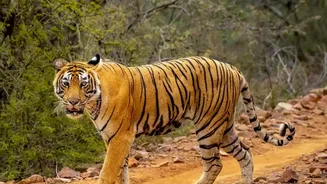
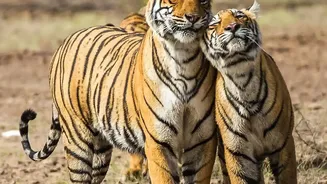
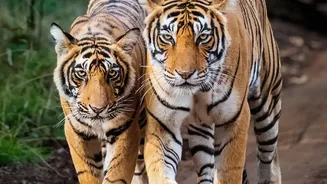
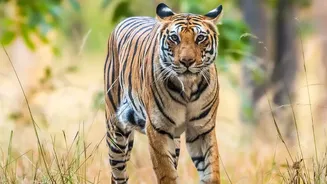
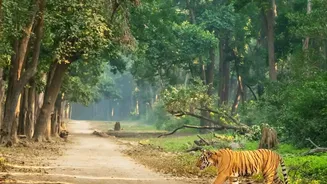
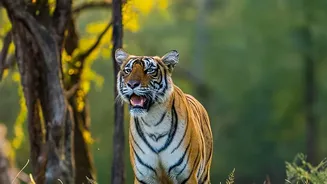
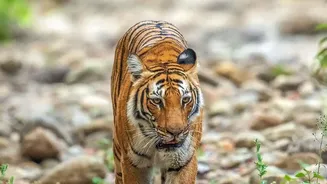
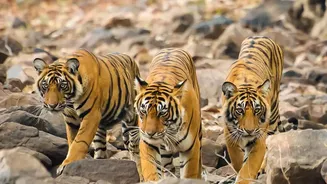
India is home to a significant portion of the world's wild tigers, and winter is an excellent time to see them. Ranthambore National Park in Rajasthan, with its iconic fort and shimmering lakes, is a classic choice. The cool, dry weather makes safaris enjoyable, and tigers are often spotted lounging in the sun. Another premier destination is Bandhavgarh National Park in Madhya Pradesh, which boasts one of the highest tiger densities in the country. The winter months here offer a pleasant climate for exploring its lush sal forests. While sightings are frequent, the atmosphere of a quiet, misty morning drive is an experience in itself. Other top reserves like Jim Corbett in Uttarakhand, Tadoba-Andhari in Maharashtra, and Kanha in Madhya Pradesh also offer fantastic tiger safari experiences during winter.
Spotting the Elusive Leopard
Leopards are masters of camouflage, but certain locations in India have become hotspots for seeing these graceful predators. Jawai in Rajasthan is perhaps the most famous, often called the 'Leopard Hills of India'. Here, leopards live among dramatic granite outcrops and have a unique, harmonious relationship with the local Rabari community. The winter months from November to February are considered the best time to visit, as the cooler temperatures keep the leopards active for longer periods during the day. Just outside Jaipur, Jhalana Leopard Reserve offers a more urban wildlife experience with a high density of leopards, making sightings relatively common. For a different kind of scenery, Satpura National Park in Madhya Pradesh provides a rugged, less crowded environment where leopards are frequently sighted, often on walking safaris.
Finding the Greater One-Horned Rhino
The quest to see the magnificent Greater One-Horned Rhino primarily leads to the state of Assam. Kaziranga National Park, a UNESCO World Heritage Site, is the species' main stronghold, hosting nearly 70% of the world's wild population. The safari season in Kaziranga runs from November to April, as the park is inaccessible during the monsoon floods. Winter is the ideal time to visit, with pleasant, dry weather making both jeep and elephant safaris a delight. The vast grasslands and wetlands are not only home to rhinos but also to tigers, elephants, and a huge variety of birds. Other notable rhino habitats in India include Pobitora Wildlife Sanctuary, which has the highest density of rhinos in the world, and Jaldapara National Park in West Bengal.
Essential Tips for Your Winter Safari
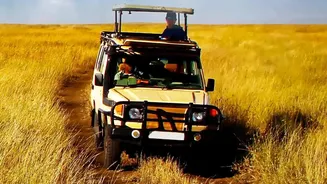
Booking well in advance is crucial, especially for popular parks like Ranthambore and Bandhavgarh, as safari permits and accommodations fill up fast during the peak winter season (December-January). When it comes to clothing, layering is key. Early morning drives in an open jeep can be extremely cold, so pack a warm jacket, gloves, and a beanie or scarf. As the day warms up, you can shed layers for comfort. Neutral colours like khaki, olive, and brown are recommended. Don't forget essentials like sunscreen, sunglasses, a hat, and a good pair of binoculars to get a closer look at the action. Finally, a camera with a good zoom lens will help you capture those magical wildlife moments.