



In the daily debate over healthy eating, rice is a constant topic. While polished white rice is a staple in many Indian households, it might be time to consider what we're missing out on, especially when it comes to dietary fibre.
The Whole Story on Grains
To understand why whole
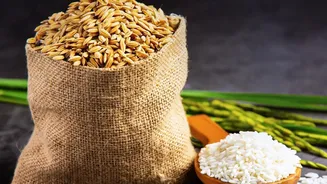
grains are nutritionally superior, it helps to know what a 'whole' grain actually is. Every grain kernel is made of three parts: the bran, the germ, and the endosperm. The bran is the fibre-rich outer layer, packed with B vitamins and antioxidants. The germ is the nutrient-dense core containing healthy fats and minerals. The endosperm is the starchy middle part. Polished white rice is a refined grain, meaning both the bran and the germ have been milled away, leaving only the starchy endosperm. This process gives it a softer texture and a longer shelf life but strips it of most of its fibre, vitamins, and minerals. Unpolished grains, on the other hand, keep all three parts intact, delivering a complete nutritional package.
Meet the Ancient Grains
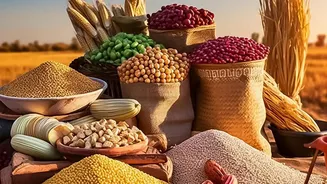
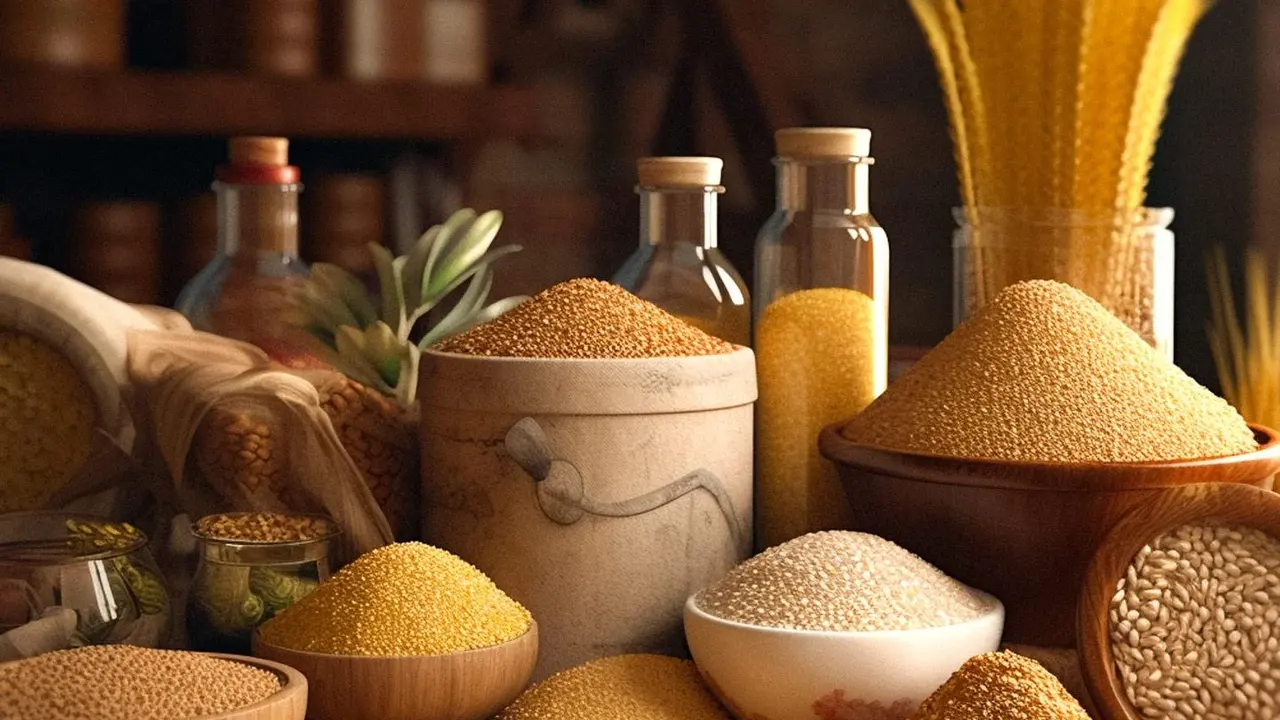
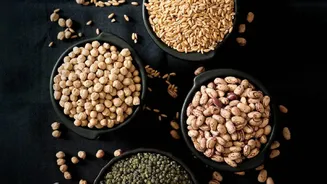
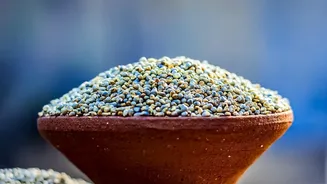
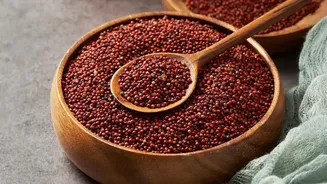
The term 'ancient grains' refers to grains that have been largely unchanged for centuries. Many are staples in other parts of the world and are gaining popularity for their impressive nutritional profiles. In India, many of these are already familiar. Millets like bajra (pearl millet), jowar (sorghum), and ragi (finger millet) are powerhouse ancient grains. Others include quinoa, a complete protein source, and amaranth (rajgira), which was a staple of Aztec culture. These grains are not just trendy; they are often hardier, require fewer pesticides to grow, and are packed with more nutrients than modern, highly processed grains.
The Fibre Face-Off
When it comes to dietary fibre, the difference is stark. Polished white rice contains very little fibre, often less than 1 gram per 100g cooked serving. By contrast, whole ancient grains are fibre champions. Millets can contain between 7 to 10 grams of fibre per 100g. Unpolished brown rice, a simple whole-grain alternative, has about three times more fibre than its white counterpart. Quinoa and amaranth also offer a significant fibre boost alongside protein and other essential minerals. This higher fibre content is crucial for digestive health, helps you feel fuller for longer, and plays a key role in regulating blood sugar levels by slowing down the absorption of carbohydrates.
More Than Just Fibre
The benefits of switching to ancient grains go far beyond fibre. They are nutritional powerhouses. Many, like foxtail millet, contain nearly double the protein of white rice. They are also significantly richer in essential minerals like iron, magnesium, and calcium, which are vital for preventing anaemia, maintaining strong bones, and supporting overall bodily functions. Furthermore, the presence of the bran and germ means they retain antioxidants and B vitamins, most of which are lost during the polishing of white rice. Studies have linked diets rich in whole grains to a lower risk of heart disease, type 2 diabetes, and other chronic conditions.
Easy Ways to Make the Switch
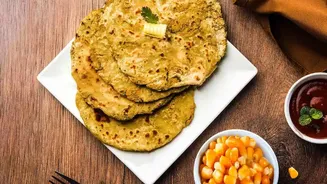
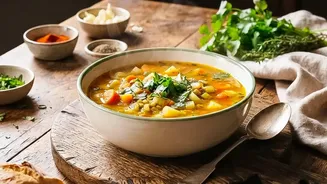
Incorporating ancient grains into your diet doesn't require a complete overhaul of your eating habits. Start small. Try replacing one-third of your white rice with a grain like jowar or brown rice in your next meal. Millets can be cooked just like rice and used to make everything from upma and khichdi to flavourful pulaos. Quinoa makes an excellent base for salads or can be used as a simple side dish. Amaranth seeds can be popped like corn or cooked into a porridge. You can also use millet and sorghum flours to make rotis, dosas, or baked goods. The key is to experiment and find what you enjoy. Many ancient grains can be prepared in a standard rice cooker, making the transition even simpler.