





The City as a Giant Storage Heater
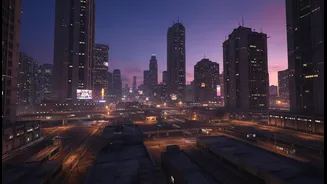
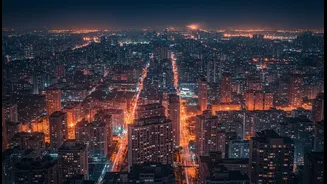
This phenomenon is known as the Urban Heat Island (UHI) effect, where cities are significantly warmer than their surrounding rural areas. The core reason lies in the materials we use to build them. Concrete, asphalt, and brick are the primary ingredients
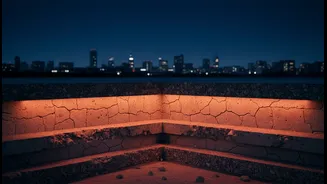
of modern cities. During the day, these dense materials absorb huge amounts of solar radiation. Unlike a grassy field or a forest, which uses sunlight for photosynthesis and cools the air through evaporation, a city street or building facade acts like a giant, dark-coloured battery, storing the sun’s energy as heat.
The Slow Release After Dark
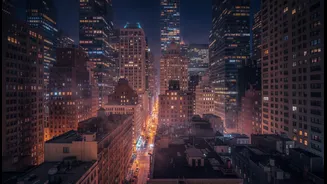
As the sun sets, the surrounding air begins to cool. But the city's concrete and asphalt start their own process: slowly releasing all the heat they've soaked up over the past eight to ten hours. This is why the temperature difference between urban and rural areas is often greatest at night. While the countryside cools off relatively quickly, the city is still actively pumping stored heat back into the atmosphere. Concrete, for example, can hold about 2,000 times as much heat as the same volume of air, making it an incredibly effective, if unintentional, heat reservoir.
Hitting the Peak After Midnight
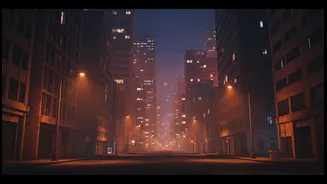
The reason the effect often peaks hours after sunset, sometimes well after midnight, is due to this slow, continuous release. In the early evening, the ambient air is still cooling down from its daytime high, which can mask the full impact of the radiating surfaces. However, as the night wears on, two things happen. First, the heat continues to bleed out from buildings and roads. Second, wind speeds typically drop during calm, clear nights, meaning there's less air movement to dissipate the accumulating warmth. The combination of this sustained heat release and stagnant air allows the temperature in a dense urban canyon to climb, reaching its maximum difference compared to a rural area three to five hours after sunset.
The Trapping Effect of Urban Canyons
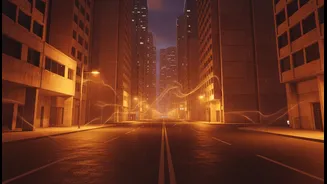
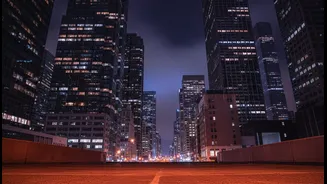
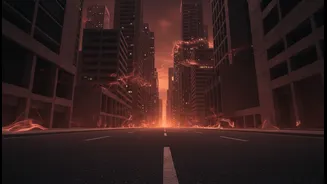
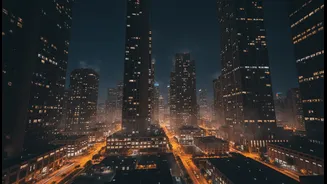
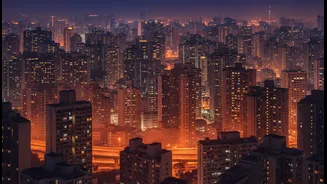
The physical shape of a city exacerbates the problem. High-density developments with tall buildings packed closely together create what are known as 'urban canyons'. These canyons not only absorb and re-radiate heat from their multiple surfaces, but they also trap the warm air, preventing it from rising and escaping. The geometry of the city effectively puts a lid on itself, ensuring the heat released from the ground and buildings stays at street level. This is compounded by 'waste heat' from human activities like air conditioning units and vehicle exhaust, which adds yet another layer of warmth.
The Human and Environmental Cost
This sustained nighttime heat is more than just a discomfort; it's a significant health risk. High overnight temperatures prevent the human body from cooling down and recovering from daytime heat, increasing the risk of heat stress, cardiovascular problems, and even death, particularly for vulnerable populations like the elderly and children. Studies have shown that hospitalizations for heat-related illnesses increase significantly with hotter nights. Furthermore, the constant demand for air conditioning to combat the heat puts a greater strain on energy grids and contributes to more pollution, creating a vicious cycle.
Designing Cooler Cities for the Future
The good news is that this is a design problem, which means it has design solutions. Strategies to mitigate the urban heat island effect are gaining traction worldwide. These include planting more trees to provide shade and natural cooling, installing 'cool roofs' with reflective materials that absorb less heat, and creating more green spaces like parks and green roofs. Using more permeable and lighter-coloured paving materials can also make a significant difference. By making more conscious choices about how we build our cities, we can reduce the intensity of these heat islands and create more livable, sustainable urban environments for the future.