



The Tale of Two Irons
Before we get to the solution, it’s important to understand the problem. Iron in our diet comes in two forms: heme and non-heme. Heme iron, found in animal products like meat, poultry, and fish, is easily absorbed by the body. Our digestive system readily
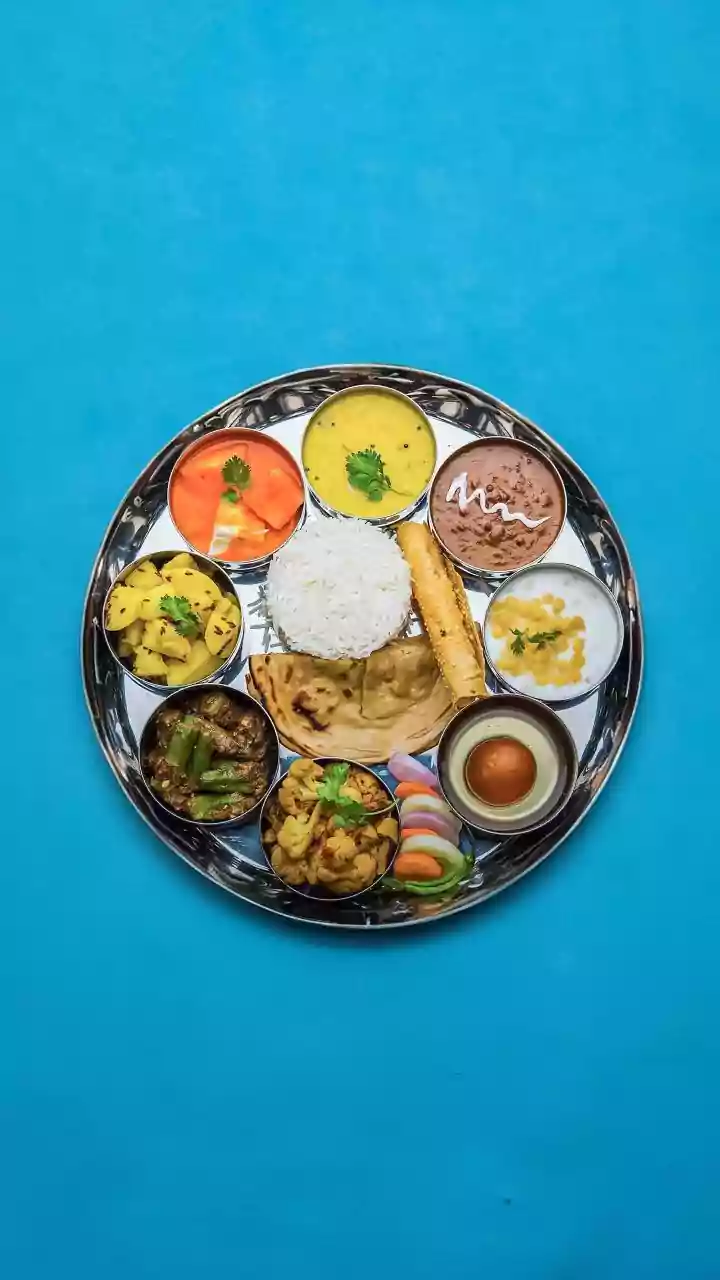
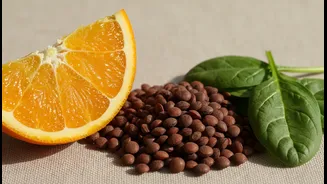
welcomes it, absorbing it at a relatively high rate of about 15-35%. Think of it as a VIP with an all-access pass. Non-heme iron is the type found in plant-based foods—this includes your dal, palak, chickpeas, nuts, seeds, and fortified grains. While abundant and essential, especially for vegetarians and vegans, this form of iron is less bioavailable. The body's absorption rate for non-heme iron is much lower, typically ranging from just 2-20%. It's like a guest waiting in line, needing a special invitation to get inside.
The Challenge with Plant-Based Iron
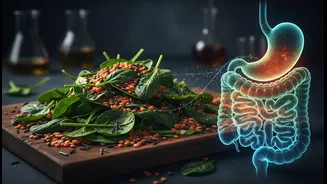
Why is non-heme iron so much harder for our bodies to use? The main reason is its chemical structure. Most plant-based iron is in a form called ferric iron (Fe3+), which our intestines struggle to absorb directly. To be absorbed, it needs to be converted into ferrous iron (Fe2+). Furthermore, many healthy plant foods contain natural compounds called inhibitors. Phytates, found in whole grains, beans, and nuts, and polyphenols (including tannins in tea and coffee) can bind to non-heme iron in the gut, preventing it from being absorbed. This is why you can eat a meal packed with iron-rich spinach and lentils but still not get the full benefit, a particular concern in India where iron deficiency anemia is widespread.
Vitamin C: The Golden Key
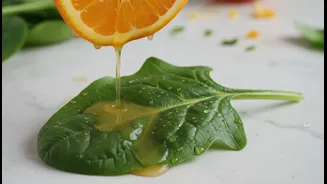
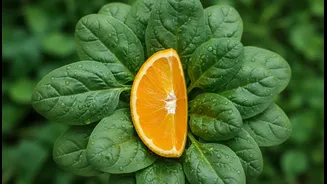
This is where Vitamin C, or ascorbic acid, plays the hero. The "Vitamin C effect" is its remarkable ability to significantly enhance non-heme iron absorption. It works in two powerful ways. First, Vitamin C helps convert the less absorbable ferric iron (Fe3+) into the more absorbable ferrous iron (Fe2+). Second, it forms a protective, soluble compound with the iron in your stomach. This 'iron-ascorbate complex' keeps the iron bioavailable as it travels to the small intestine, shielding it from the effects of inhibitors like phytates and tannins. Essentially, Vitamin C acts as a key, unlocking the iron from its plant source and making it ready for your body to use. Studies show that adding Vitamin C to a meal can increase non-heme iron absorption by several times.
Perfect Pairings on Your Plate
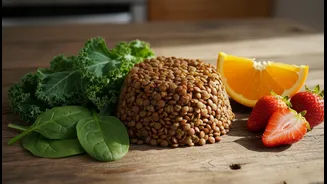
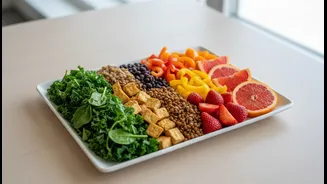
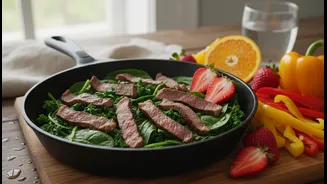
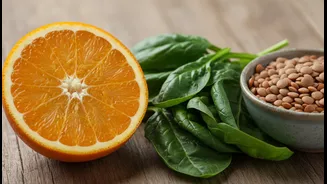
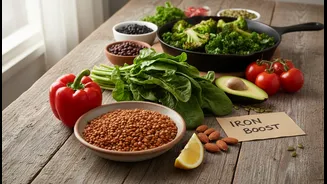
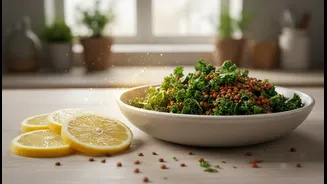
Making this work for you is simple and delicious. The goal is to consciously pair your iron-rich plant foods with a source of Vitamin C in the same meal. This isn't about complicated recipes; it's about smart, everyday combinations that are likely already part of Indian cuisine. Squeeze fresh lemon juice over your dal or bean salad. Add a side of tomato-based kachumber salad with your spinach sabzi. Enjoy amla (Indian gooseberry) chutney or pickle with your meal. Other excellent sources of Vitamin C include bell peppers (capsicum), broccoli, oranges, strawberries, and guava. For example, a chickpea curry cooked with tomatoes and capsicum, or a bowl of oatmeal topped with strawberries, are perfect examples of putting the Vitamin C effect into practice.
Watch Out for the Iron Blockers
Just as Vitamin C is iron's best friend, some things are best kept separate. The main culprits are the tannins found in tea and coffee. Drinking chai or coffee with your meal can reduce iron absorption by 60% or more. This doesn't mean you have to give them up, but timing is everything. Try to enjoy your tea or coffee at least an hour or two before or after your iron-rich meals. Calcium, found in dairy products, can also compete with both heme and non-heme iron absorption. So, if iron intake is a concern, it might be better to have that glass of milk or bowl of dahi as a separate snack rather than with your main lentil or bean-based meal.