
Why the Monsoon Magnifies Food Risks
The primary culprit during the rainy season is moisture. High humidity creates the perfect breeding ground for bacteria and mould. While you might not see or smell anything wrong, microscopic organisms can multiply rapidly on food left at room temperature.
During the monsoon, our digestive systems can also be more sensitive, making us more susceptible to foodborne illnesses. The combination of warm temperatures and damp air means the standard two-hour rule for leaving cooked food out becomes even more critical. If the temperature is high, this window can shrink to just one hour.
The Special Case of Leftover Rice
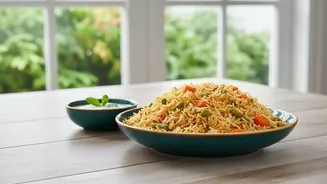
Rice is a staple in Indian households, but it requires special care when it comes to leftovers. Uncooked rice can contain spores of a bacteria called Bacillus cereus. These spores are incredibly resilient and can survive the initial cooking process. If cooked rice is left to cool at room temperature for too long, these spores can germinate and produce toxins. Reheating the rice will not destroy these heat-resistant toxins. This can lead to what is sometimes called "reheated rice syndrome," a form of food poisoning with symptoms like vomiting and diarrhea. To stay safe, cool cooked rice quickly—ideally within an hour—and refrigerate it promptly.
Foods That Deserve Extra Caution
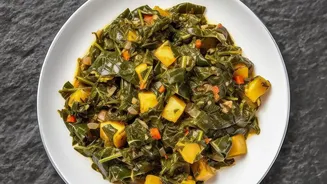
While rice is a primary concern, other common foods also pose risks if not handled correctly. Chicken and Meats: The main risk with reheating chicken is ensuring it reaches a safe internal temperature to kill any bacteria that may have grown during storage. Its dense texture can lead to uneven heating, especially in a microwave. Use a food thermometer to ensure the thickest part reaches at least 75°C. Eggs: Dishes containing eggs should be refrigerated immediately after cooling. Reheating can be tricky because it's hard to reach a safe internal temperature of 74°C without overcooking the egg into a rubbery texture. It's often safer to cook eggs fresh. Leafy Greens: Vegetables like spinach and palak can be problematic. They can accumulate nitrates from the soil, which are harmless on their own. However, when cooked, cooled, and reheated, bacteria can convert these nitrates into nitrites, which can be harmful. It's best to eat them fresh after cooking.
The Golden Rules for Safe Leftovers
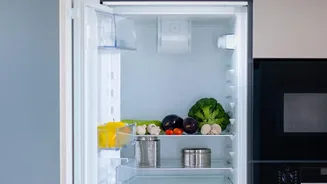
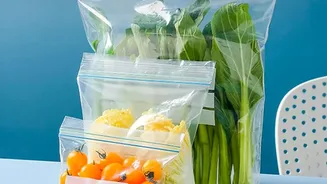
Following a few simple rules can drastically reduce your risk of getting sick from leftovers during the monsoon and beyond. Store Smart and Fast: Don't leave cooked food on the counter to cool for hours. Refrigerate perishables within two hours of cooking. Use clean, airtight containers, preferably made of glass or stainless steel, to prevent moisture and contamination. Storing food in shallow containers helps it cool down faster. Reheat Thoroughly: When you do reheat, make sure the food is steaming hot all the way through. For gravies, soups, and dals, bring them to a rolling boil. For other foods, aim for an internal temperature of at least 74°C (165°F). Reheat Only Once: Avoid reheating the same leftovers multiple times. Each cycle of cooling and heating provides another opportunity for bacteria to grow. Only take out and reheat the portion you plan to eat immediately.