

India Sets Its Sights on Venus
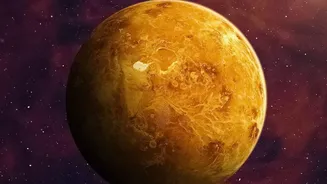
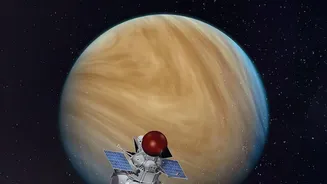
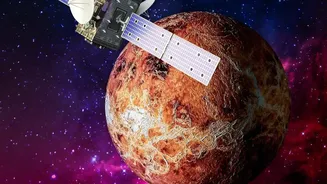
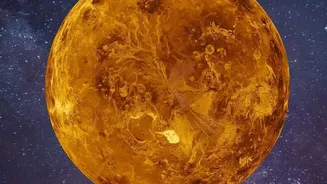
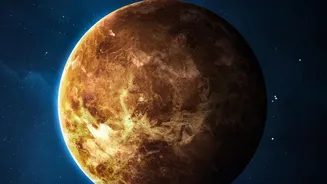
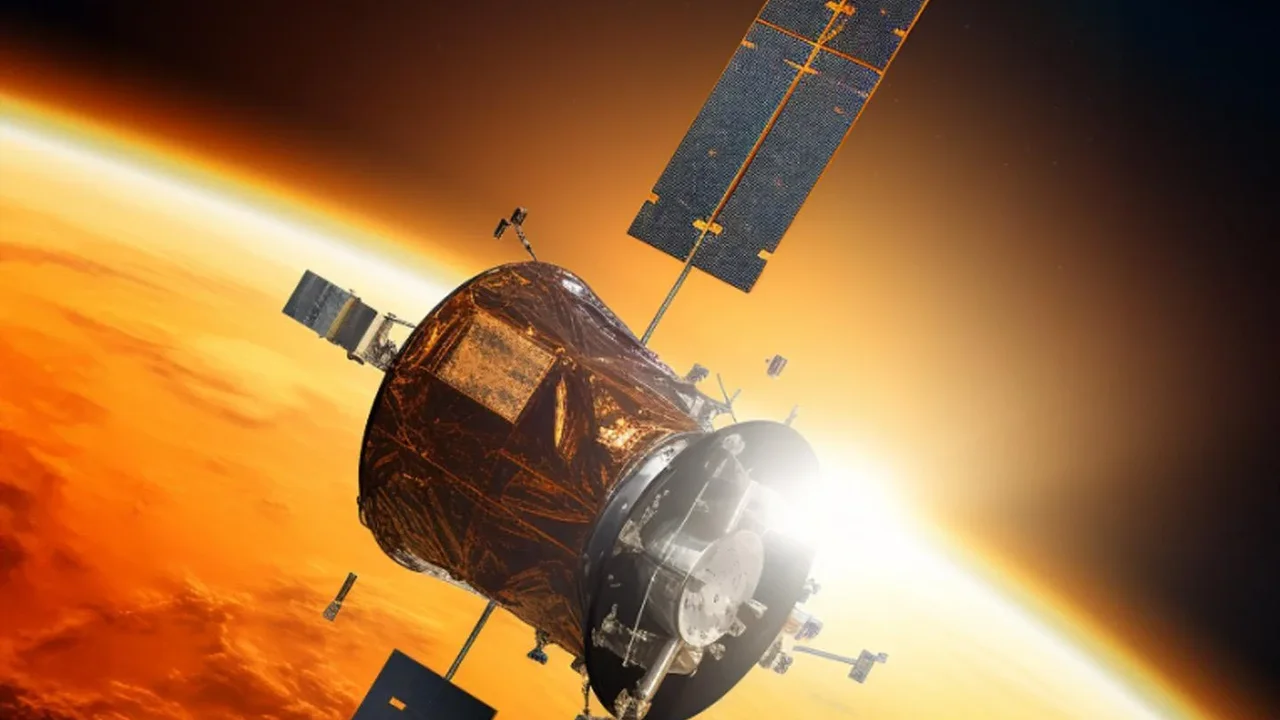
After the triumphant success of its Mars Orbiter Mission (Mangalyaan) and lunar explorations, the Indian Space Research Organisation (ISRO) is looking to its next great interplanetary challenge: Venus. The planned Venus Orbiter Mission, dubbed Shukrayaan,
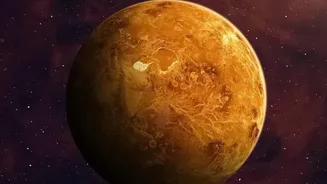
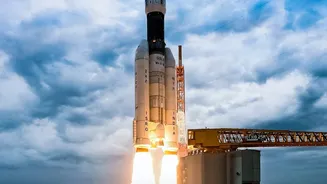
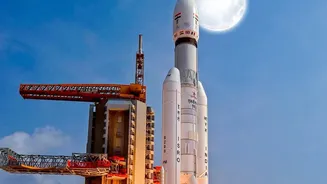
represents a major leap forward for India's space program. The mission, formally approved by the Union Cabinet in September 2024, is scheduled for a March 2028 launch aboard the powerful LVM-3 rocket. This ambitious endeavor aims to conduct a comprehensive study of Earth's enigmatic neighbor, exploring its hostile atmosphere, mysterious surface, and the powerful solar wind's interaction with the Venusian ionosphere. Understanding why Venus, a planet so similar in size and origin to Earth, evolved into a scorching inferno is a key driver for scientists globally.
The Smoking Gun: Sulfur Dioxide
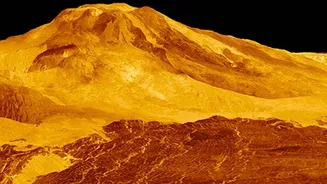
One of the most compelling scientific questions about Venus is whether it remains volcanically active. The planet is covered in over 85,000 volcanic structures, more than any other body in the solar system, but confirming current activity has been difficult. This is where a specific chemical compound, sulfur dioxide (SO2), becomes crucial. On Earth, SO2 in the atmosphere is generated almost entirely by volcanic activity. Scientists believe the same principle applies to Venus. However, SO2 is quickly broken down by sunlight in the upper atmosphere, meaning any significant concentration detected must have been supplied recently from below. Previous missions, like NASA's Pioneer Venus and ESA's Venus Express, observed large, unexplained fluctuations in SO2 levels, fueling speculation that they were witnessing the after-effects of volcanic eruptions.
ISRO's Volcanic Detective
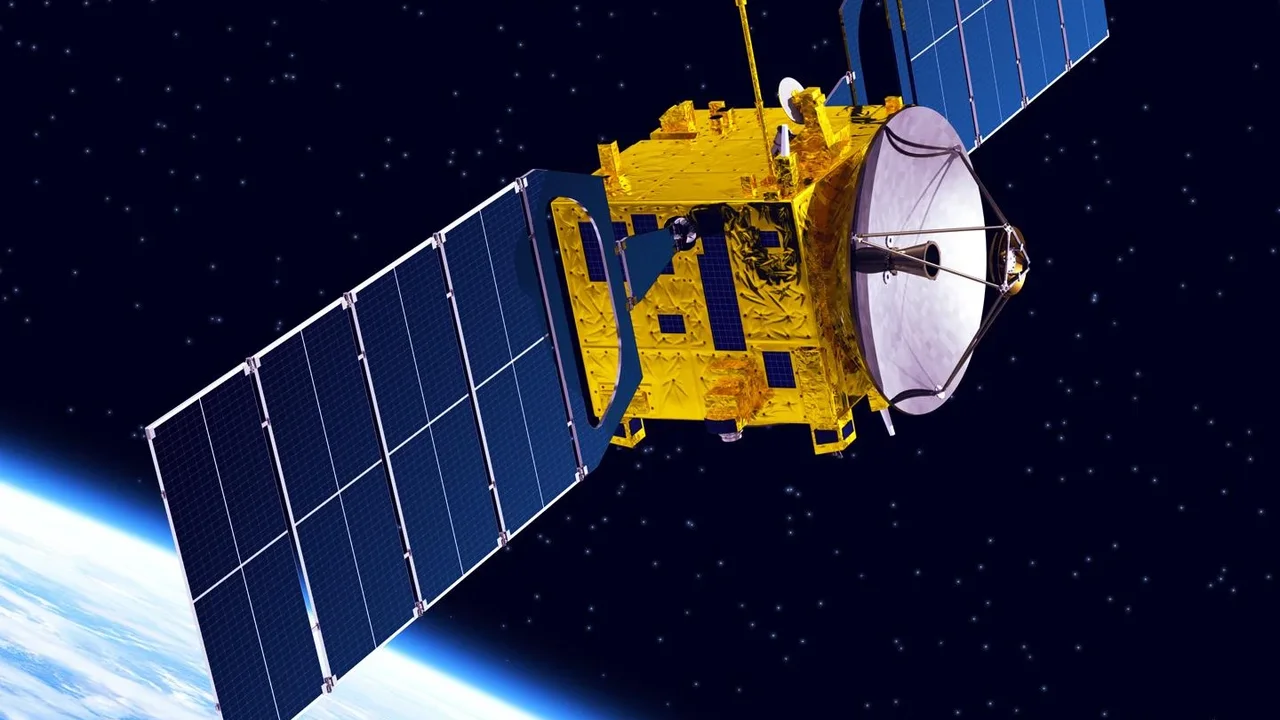
The Shukrayaan orbiter will carry a suite of 19 sophisticated Indian and international payloads designed to peel back Venus's secrets. Central to the mission highlighted in the headline is an atmospheric instrument specifically designed to detect and map sulfur dioxide. This payload will function as a volcanic detective, systematically scanning the Venusian atmosphere for spikes in SO2 concentration. By creating a global map of these gas levels and monitoring them over time, ISRO scientists hope to do what no mission has conclusively done before: pinpoint the specific locations of active volcanic vents. An eruption would likely blast a plume of SO2 into the upper atmosphere, which the orbiter's sensors could then trace back to its source on the surface. This targeted approach moves beyond simply detecting the gas to actively using it as a tool for mapping geological activity.
Beyond the Volcano Hunt
While mapping volcanic activity is a headline objective, Shukrayaan's goals are much broader. The mission will carry a high-resolution Synthetic Aperture Radar (SAR) to peer through the planet's thick cloud cover and map the surface with unprecedented detail—four times the resolution of NASA's historic Magellan mission. It will also feature the first-ever ground-penetrating radar to be used at Venus, aiming to study the planet's subsurface stratigraphy, looking for buried geological features and lava flows. International partners are also contributing key instruments. Sweden is providing a Venusian Neutrals Analyzer (VNA) to study the interaction between solar wind and the planet's atmosphere, while collaborations with Russia and France are also included.
A New Golden Age of Venus Exploration
ISRO's Shukrayaan is not entering the race to Venus alone. It is part of a renewed global focus on the planet, with NASA planning its VERITAS and DAVINCI missions, and the European Space Agency developing its EnVision orbiter for the early 2030s. These missions will work in concert, each providing different pieces of the puzzle. While NASA's VERITAS will create high-resolution 3D maps and DAVINCI will drop a probe through the atmosphere, ISRO's Shukrayaan, with its unique payload combination and specific focus on atmospheric mapping of volcanic indicators, is poised to make a significant and unique contribution. The mission solidifies India's role as a major player in interplanetary science, moving from participant to a leader in the global quest for knowledge.