





Beyond Visa-Free Travel
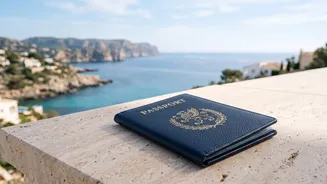
For years, we've measured a passport's strength by its mobility score—the number of destinations a holder can visit without a prior visa. But the 2026 Happy Passports Index, a novel ranking from advisory firm Global Citizen Solutions, reframes the conversation.
It argues that a truly powerful passport combines freedom of movement with a high quality of life at home. This index evaluates 50 countries on four key pillars: the visa-free access of its passport (Mobility), the life satisfaction of its residents (Wellbeing), personal and civil liberties (Freedom at Home), and factors like income, healthcare, and safety (Prosperity, Health, and Safety). The result is a more holistic look at what a passport says about the country it represents.
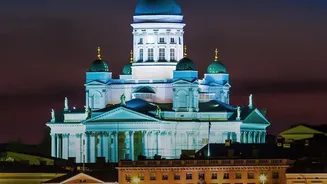
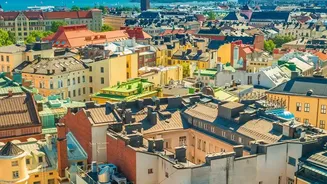
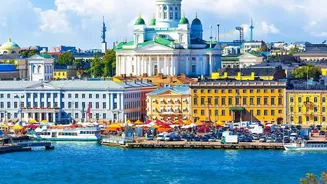
Finland: The Undisputed Champion
Claiming the top spot with a score of 93.2 out of 100, Finland continues its reign as a leader in global quality of life. While its passport is powerful, offering access to a vast number of countries, its victory in the Happy Passports Index is cemented by its world-leading 'Wellbeing' score. Data from the World Happiness Report shows Finns consistently report the highest life satisfaction on the planet. The index reveals that this internal happiness, combined with strong personal freedoms and a robust social safety net, is what truly sets it apart. It's a formula where the freedom to travel is matched by a profound sense of security and contentment at home.
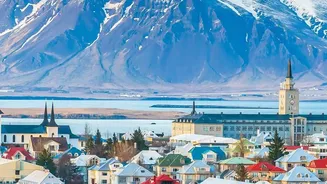
Iceland: A Close Second
Just behind Finland, Iceland secures the silver medal with an impressive score of 92.4. What makes Iceland’s performance remarkable is how it achieves its high ranking. While its passport is strong, it's not the most powerful in the world in terms of pure visa-free access. Instead, Iceland’s strength lies in its exceptional 'Freedom at Home' score, where it ranks first in the sample. This reflects a society with incredibly high levels of civil liberties and a strong sense of personal freedom. Combined with its status as one of the most peaceful countries globally and high marks for prosperity and safety, Iceland demonstrates that a happy passport is built on a foundation of trust, liberty, and security.
The Nordic Blueprint and Beyond
The top of the ranking is dominated by Nordic countries, with Denmark and Norway following Finland and Iceland, highlighting a regional pattern of high life satisfaction, robust social systems, and strong passports. However, the index also reveals interesting contrasts. Some nations, like Singapore, have incredibly powerful passports for travel and high incomes but score lower on wellbeing and personal freedom, landing them at 10th place. Conversely, countries like Costa Rica rank in the top 15 overall, driven by high happiness scores despite having less powerful passports. This underscores the index's main finding: powerful travel documents don't automatically equate to a happy populace.
What About India?
For Indian readers, a notable point is that India was not included in the 50-country sample for the 2026 Happy Passports Index. Its absence is not a ranking but a reflection of the study's scope. However, we can look at the individual components to understand its potential position. In standard 2026 passport rankings like the Henley Passport Index, India sits around the 80th mark, offering its citizens visa-free or visa-on-arrival access to over 60 countries. This grants a moderate level of travel freedom. On the 'happiness' side of the equation, India's performance in global wellbeing reports is typically in the lower half, influenced by complex socio-economic factors. A hypothetical inclusion in the Happy Passports Index would likely place India in the lower-middle tier, held back primarily by its wellbeing and prosperity metrics rather than its passport's mobility alone.