




Why the Monsoon is a Threat
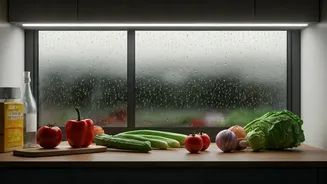
The rainy season's defining feature, high humidity, is the main culprit behind most kitchen woes. This excessive moisture in the air creates the perfect environment for harmful microorganisms like bacteria, viruses, and fungi to thrive. Food spoils faster,
surfaces remain damp, and musty odours can develop in cabinets and corners. Studies suggest that foodborne illnesses see a significant spike during this period, with contaminants like E. coli and Salmonella becoming more common due to improper food storage and hygiene. Furthermore, the constant rain drives pests like cockroaches and ants indoors in search of shelter and food, making the kitchen their primary target.
Mastering Moisture Control
The most effective strategy is to keep your kitchen as dry as possible. Ensure good ventilation by using an exhaust fan every time you cook to pull steam and moisture out of the air. Make it a habit to wipe down countertops, sinks, and stovetops immediately after use, ensuring no puddles of water are left standing. Even a few hours of dampness is enough for bacteria to multiply. Be extra vigilant with kitchen towels and sponges; they can become breeding grounds for germs and develop a foul smell quickly in the humid weather. Wash them daily in hot water and ensure they are completely dry before their next use.
Smart Food Storage Strategies
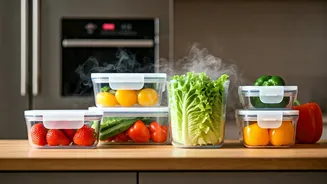
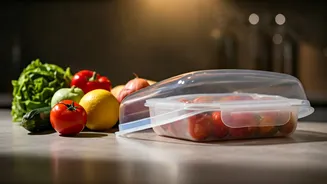
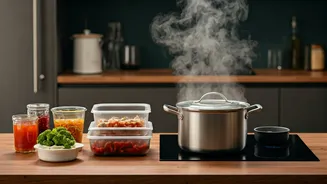
Improper food storage is a major contributor to contamination and spoilage during the monsoon. Dry goods like spices, salt, sugar, biscuits, and flour are especially vulnerable to moisture, causing them to clump or turn stale. Transfer them from their original packaging into high-quality airtight containers immediately after purchase. Perishable items like dairy, meat, and seafood must be refrigerated promptly. It is also wise to refrigerate leftover cooked food in airtight containers as soon as it cools down, as food left at room temperature spoils much faster in the humid weather. Regularly check your fridge for spoilage and clean it often to prevent bacterial growth.
Washing Produce and Purifying Water
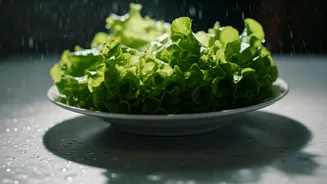
Fresh fruits and vegetables, especially leafy greens, can carry a higher risk of contamination during the monsoon. It is crucial to wash all produce thoroughly under running water before consumption. Some experts even suggest soaking them in a mild vinegar or saltwater solution to help kill lingering pathogens. Avoid buying pre-cut fruits and vegetables from street vendors, as they are more likely to be contaminated. Water is another major source of foodborne diseases this season. To stay safe, always drink boiled or purified water. Be cautious of ice from unknown sources and use water from a trusted purifier for all your cooking needs.
Winning the War on Pests
Pests are not just a nuisance; they are carriers of harmful bacteria that can contaminate your food and kitchen surfaces. The best prevention is to cut off their access to food. This means keeping your pantry organised with all food sealed in pest-proof containers. Empty your dustbin every night and ensure the lid is tightly closed. Seal any cracks or holes in walls, near pipes, or around windows where pests might enter. For persistent problems with cockroaches and ants, natural repellents like bay leaves, cloves, or a solution of white vinegar can be effective. A deep clean of drains with baking soda and vinegar can also help eliminate odours and pests that thrive there.