






The 'Health Halo' Deception
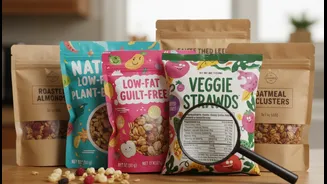
The market for healthy foods in India is booming, with reports showing it's expected to grow at a compound annual growth rate (CAGR) of nearly 10%. Brands are capitalising on this by marketing products with claims like 'natural', 'no added sugar', 'baked,
not fried', or 'made with real fruit'. This creates a 'health halo' effect, making us believe a product is good for us even when it might not be. For instance, a biscuit might be advertised as 'digestive' or '100% Atta', but a closer look at the ingredients often reveals significant amounts of sugar and refined flour. The front of the pack is designed to sell a promise, but the real story is almost always on the back.
Why Excess Sugar Is a Problem
The World Health Organization recommends limiting free sugar intake to less than 10% of daily calories, which for most adults is about 25 grams, or six teaspoons. However, many Indians consume far more than this, often unknowingly. Consuming too much added sugar can contribute to a range of health issues. It's linked to weight gain, high blood pressure, inflammation, and an increased risk of developing chronic conditions like type 2 diabetes and heart disease. Excess sugar overloads the liver, which can lead to the accumulation of fat and contribute to non-alcoholic fatty liver disease (NAFLD). It's not just about obvious sweets; the sugar hiding in savoury and 'healthy' snacks adds up quickly.
Unmasking Hidden Sugars on Labels
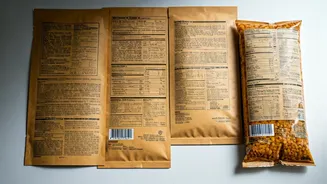
Food companies use over 50 different names for sugar, making it difficult to spot on an ingredient list. Common aliases include high-fructose corn syrup (HFCS), dextrose, maltose, sucrose, invert sugar, and fruit juice concentrate. A simple rule of thumb, according to FSSAI regulations, is to check the ingredient list, which is ordered by weight. If a type of sugar is listed among the first three ingredients, the product is likely high in sugar. Also, watch out for 'sugar-splitting', a tactic where multiple types of sugar are used so none of them appears first on the list. The nutrition information panel is your best friend. Pay attention to the 'Total Sugar' per 100g. Anything over 15g per 100g should be a red flag.
Common Culprits on Supermarket Shelves
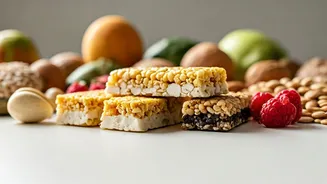
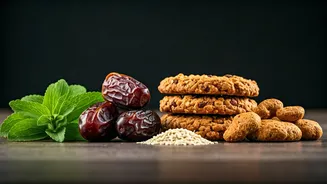
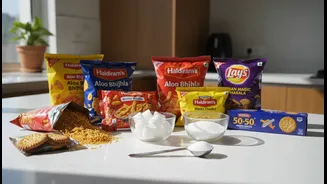
Many everyday snacks that seem healthy are surprisingly high in sugar. Packaged fruit juices, even those claiming to be '100% juice', can contain as much sugar as a soda. Flavoured yogurts, often seen as a healthy breakfast or snack, can pack up to 30g of sugar in a single cup. So-called 'healthy' breakfast cereals and instant oats packets are often loaded with sweeteners. Protein and granola bars, popular with the fitness-conscious crowd, can sometimes contain as much sugar as a chocolate bar, with sweeteners like honey, date syrup, or maltodextrin. Even savoury items like ketchup, bread, and ready-to-make mixes for poha or upma often have added sugar to enhance flavour and texture.
How to Make Genuinely Healthier Choices
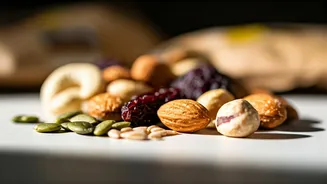
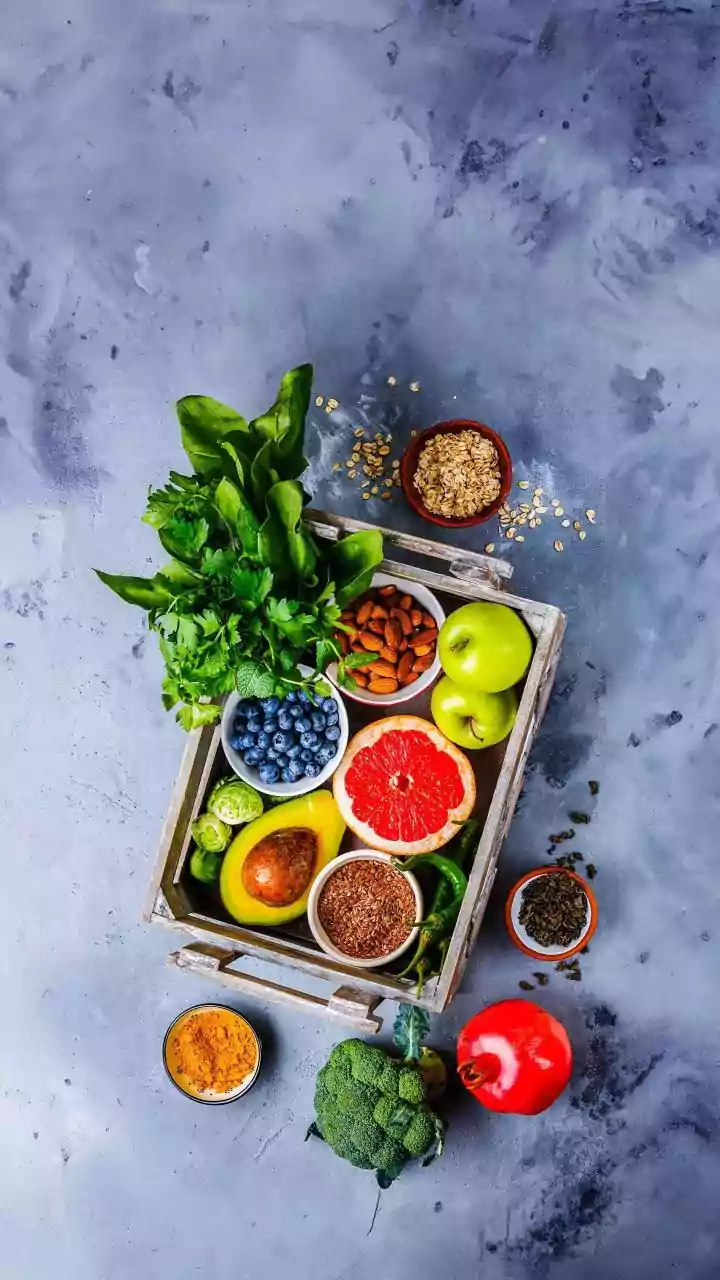
Becoming a smarter snacker doesn't mean giving up convenience or taste. The first step is to become a label detective. Always ignore the claims on the front and read the nutrition panel on the back. Opt for whole, unprocessed foods whenever possible. Instead of a granola bar, try a handful of nuts and a piece of fruit. Swap flavoured yogurt for plain yogurt and add your own fresh fruit for sweetness. Instead of packaged juice, drink water, tender coconut water, or skimmed buttermilk. When you do buy packaged snacks, compare brands and choose the one with the lowest sugar content. Being mindful and informed is the key to navigating the modern food landscape without falling into the hidden sugar trap.