



More Than Just a Sharp Edge
A knife’s primary job is to cut, but how it cuts has a direct impact on food safety. The most significant danger in any kitchen is cross-contamination, where bacteria are transferred from one food item to another. A knife is a primary vehicle for this
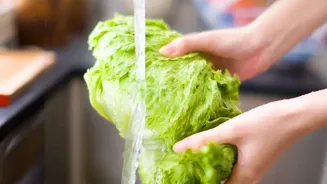
transfer. Using the same unwashed knife to slice raw chicken and then chop a salad, for example, can move bacteria like salmonella or E. coli directly into your ready-to-eat food. Furthermore, tiny, invisible food particles can cling to a blade, becoming a breeding ground for bacteria if not cleaned properly. This risk isn't just about raw meat; bacteria on the surface of a melon or unwashed vegetable can be carried into the flesh by the blade during cutting.
The Anatomy of a Safer Knife
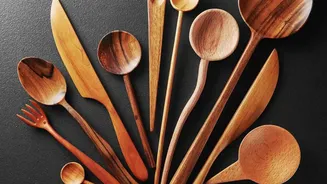
When choosing a knife, its construction is as important as its sharpness. For optimal hygiene, look for blades made of high-chromium stainless steel. This material forms a protective, self-healing layer that resists corrosion and pitting from acidic foods, leaving fewer microscopic crevices where pathogens can hide. The handle is equally crucial. While traditional wood handles are prized for their feel, they are porous and can absorb moisture, potentially harbouring bacteria if they crack or are not perfectly maintained. Modern synthetic handles made from materials like polypropylene or other composites are non-porous, easier to sanitize, and often recommended for better hygiene. Also, consider the joint where the blade meets the handle. A smooth, seamless construction without gaps or loose parts prevents food particles and bacteria from getting trapped.
Why a Sharp Knife Is a Safe Knife
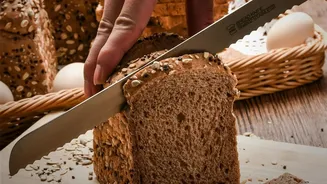
It seems counterintuitive, but chefs and safety experts agree: a dull knife is far more dangerous than a sharp one. A dull blade requires you to apply more pressure to cut, which increases the likelihood of it slipping off the food and into your hand. A sharp knife, by contrast, bites into the food's surface with minimal force, giving you greater control. This isn't just about personal safety. A dull knife crushes and tears food cells rather than slicing them cleanly. This cellular damage can make vegetables wilt faster, release more liquid, and create a rougher surface that can be more susceptible to bacterial growth. A clean cut from a sharp blade preserves the texture and freshness of your ingredients.
The Golden Rules of Knife Hygiene
Proper care turns a good knife into a great food-safety tool. The most critical rule is to clean your knife immediately after use, especially after contact with acidic foods like tomatoes or citrus. Always wash knives by hand with hot, soapy water and a soft sponge, wiping from the dull spine toward the edge. Never put them in the dishwasher; the high heat can damage the blade and handle, and the harsh detergents can be corrosive. Most importantly, never leave a knife to soak in a sink full of water, where it's a hazard to unsuspecting hands and prone to damage. After washing, dry the knife thoroughly with a clean towel before storing it. Moisture is the enemy, leading to rust and creating an environment for bacteria to grow.
Smart Storage for Lasting Safety
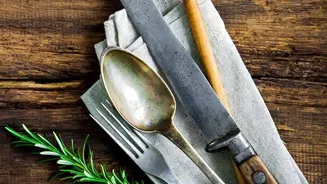
How you store your knife is the final piece of the food-safety puzzle. Tossing a clean knife into a drawer where it can knock against other utensils is a recipe for a dulled, damaged blade and a potential cutting hazard when you reach in. Proper storage protects both the blade and your fingers. Good options include a wooden knife block, a wall-mounted magnetic strip, or in-drawer holders that keep blades separated. Whatever method you choose, ensure the knife is completely dry before putting it away to prevent moisture from getting trapped in the storage unit, which could foster mold or bacterial growth.