




The Great Migration from the Cubicle
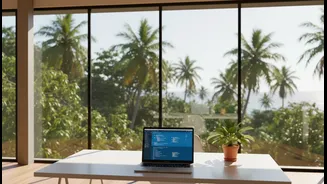
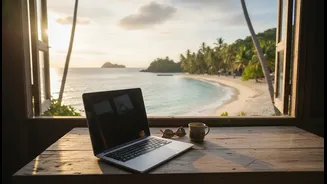
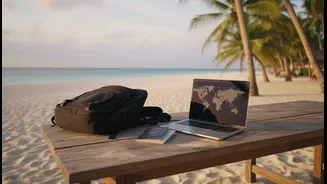
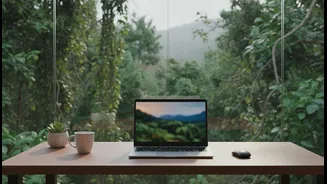
The concept of a workation—blending work with travel—is no longer a niche trend but a mainstream career strategy for India’s independent youth. Fueled by the rise of remote-friendly jobs in creative and tech fields, young professionals are swapping city
commutes for extended stays in scenic locations. This shift is driven by a desire to escape urban burnout and find a better work-life balance. For digital natives like content creators, graphic designers, and freelance marketers, whose work requires little more than a laptop and a stable internet connection, the geographic barriers to productivity have dissolved. This freedom allows them to choose their environment, and increasingly, that choice is leading them to the vibrant landscapes of Southeast Asia.
Why Southeast Asia is the Perfect Hub
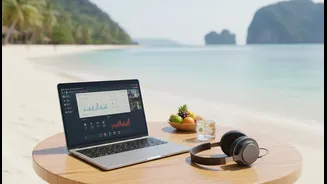
Southeast Asia has emerged as a top choice for Indian creators for a potent mix of reasons. The region offers an unbeatable combination of affordability, accessible visa options, and world-class digital infrastructure. Destinations like Thailand, Vietnam, and Indonesia provide a significantly lower cost of living compared to major Indian metros, allowing creators to extend their runway and invest more in their projects. Moreover, countries in the region have cultivated environments specifically for remote workers. Cities like Chiang Mai in Thailand and Canggu in Bali are renowned digital nomad hotspots, teeming with cafes and co-working spaces that offer high-speed internet and a productive atmosphere. For many, the appeal also lies in the sheer convenience and safety, making it easy to settle in and focus on creativity.
Networking in Paradise
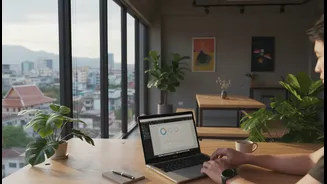
The real magic of a Southeast Asian workation lies in the organic networking opportunities it presents. Co-working spaces are the new boardrooms, but with a collaborative, community-driven spirit. Hubs like Punspace in Chiang Mai or Outpost in Bali are not just desks for rent; they are curated communities that host skill-swap events, pitch nights, and social gatherings. Within these spaces, an Indian YouTuber could find themselves brainstorming with a German filmmaker, a Bengaluru-based podcaster could get production tips from an Australian audio engineer, and a fashion influencer might collaborate with a local photographer they met over coffee. These interactions are not forced or formal; they are born from shared experiences in a new environment, leading to genuine connections.
From Connection to Collaboration
These chance encounters often evolve into tangible collaborations. The proximity and shared lifestyle foster a level of trust and camaraderie that is difficult to replicate through virtual meetings alone. A freelance writer might co-author a project with someone they met at a weekly meetup, or a group of creators from different fields might band together to launch a new multi-platform channel. One content creator noted that the environment in Thailand actively supports creativity, as you are always surrounded by others who are also creating, making the process feel natural and less isolated. This cross-pollination of skills and audiences allows independent creators to grow their reach and diversify their content in ways that would be much harder to achieve from their home base.
The Practical Realities
While the lifestyle is appealing, it's not a permanent holiday. Success requires discipline. Creators must navigate challenges like visa runs, income fluctuations, and the need to build a routine in an unstructured environment. Respecting the local culture is also paramount; adapting to the local rhythm of life is key to a positive experience. The most successful digital nomads are those who find a balance, setting clear work hours while also making time to explore and connect. They join online groups, attend local meetups, and are proactive in building their community, ensuring their time abroad is both productive and personally enriching.