


Beyond Dubbing: A New Blueprint
Not long ago, a film from one state reaching another was an exception, often through a low-quality dub or a much later remake. The new 'pan-India' model is fundamentally different. It's a strategic decision made at the script level to create a film that
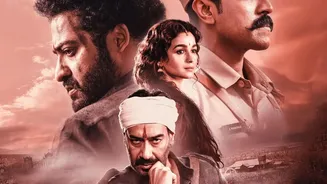
feels native to multiple regions simultaneously. This involves more than just language dubs; it's about a deliberate fusion of creative DNA. Films like 'RRR' and 'Jawan' weren't just Telugu or Tamil films released in Hindi; they were conceived as national cultural events. The strategy includes casting prominent actors from target regions—like Alia Bhatt in the Telugu blockbuster 'RRR' or Vijay Sethupathi in the Hindi-led 'Jawan'—to create an instant connection with local audiences and merge massive fanbases. This ensures the film doesn't feel like a visiting product but a local celebration.
An Audience Primed by Streaming
This cinematic integration couldn't have happened without a crucial shift in audience habits, largely driven by streaming platforms. For years, OTT services have democratized access to content, breaking down geographical and linguistic barriers. Viewers in North India became familiar with the charisma of Allu Arjun and the style of director Lokesh Kanagaraj long before their films became nationwide theatrical phenomena. This exposure dismantled the psychological barrier of watching content with subtitles, making audiences receptive to new stars and storytelling styles. By the time 'Pushpa: The Rise' arrived in theatres, its star and aesthetic were already familiar to millions outside of the Telugu states, paving the way for its explosive success.
The Creative Melting Pot
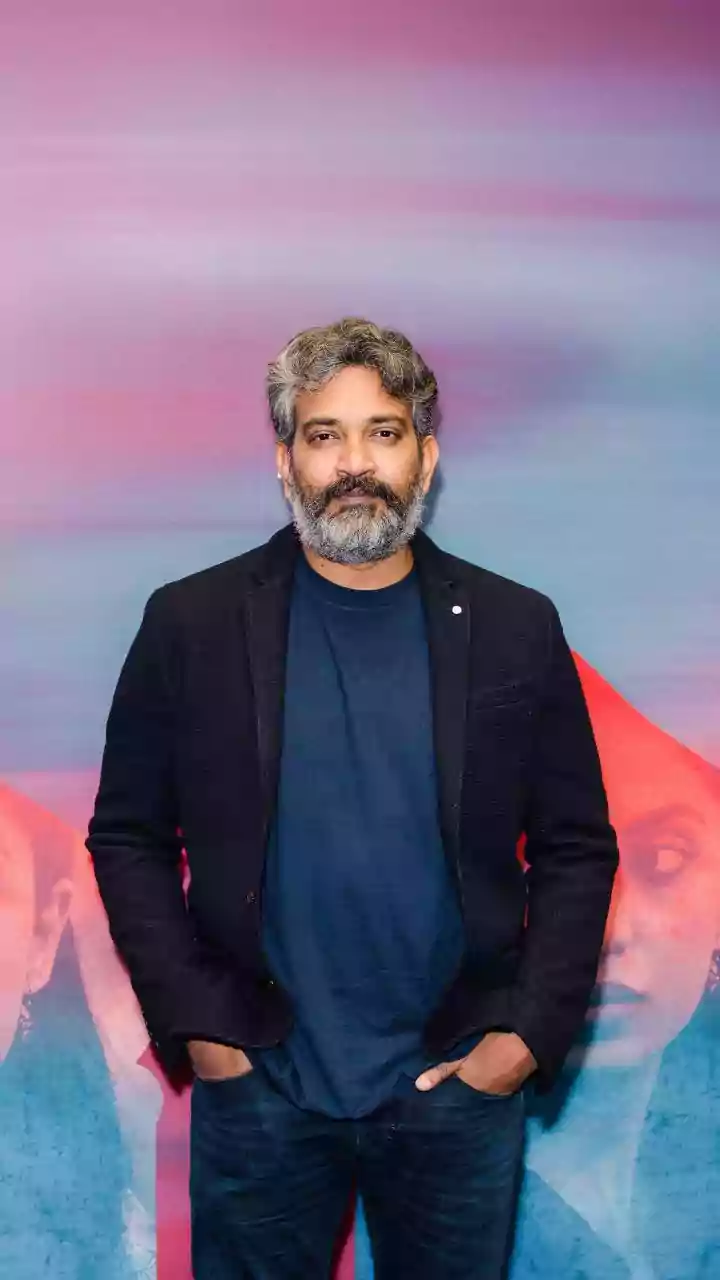
The most successful collaborations extend beyond the star cast. They involve a strategic mix of top-tier creative talent from across the country. When Tamil director Atlee collaborated with Hindi cinema's Shah Rukh Khan for 'Jawan', he brought his signature style of mass-market filmmaking and his trusted technical team. Similarly, the pulse-pounding soundtracks by Tamil composer Anirudh Ravichander have become a unifying force for films across languages, proving that music is a powerful, borderless tool for audience engagement. This creative cross-pollination also includes visionary directors like SS Rajamouli and Prashanth Neel, who pair their grand storytelling with the best technicians, regardless of their home industry, to create a universally spectacular cinematic experience.
The Box Office Multiplier Effect
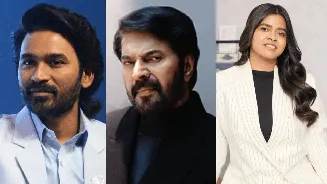
The business logic behind these collaborations is undeniable. Combining the star power of multiple industries allows producers to justify larger budgets, which in turn fund the grand scale and visual effects that modern audiences crave. A film starring both Dhanush and Mammootty, for example, is immediately positioned as a major event, capable of drawing huge crowds in both Tamil Nadu and Kerala, as well as nationally. This unified approach extends to marketing, where a single, aggressive campaign treats every language release as a top priority. The result is a multiplier effect at the box office, where films like 'KGF: Chapter 2' and 'Baahubali 2: The Conclusion' didn't just perform well—they shattered records across India, achieving collection figures that were previously unimaginable for a film originating from a single regional industry.