





The Season of Rejuvenation
Every year, from mid-July to mid-August, Kerala observes Karkidakam, the final month of the Malayalam calendar. This period of heavy rainfall, known as Varsha Ritu in Ayurveda, is traditionally considered a time when the human body is more vulnerable.
According to Ayurvedic principles, the digestive fire, or 'Agni', weakens, and the body's 'doshas' (elemental energies) can become imbalanced, leading to lowered immunity and susceptibility to illness. However, this vulnerability is also seen as an opportunity. The moist climate softens the body and opens up its channels, making it exceptionally receptive to healing and detoxification therapies, a practice known as Karkidaka Chikitsa.
An Ayurvedic Powerhouse in a Bowl
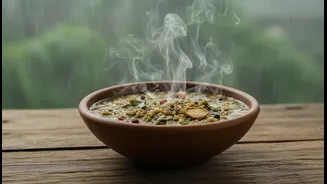
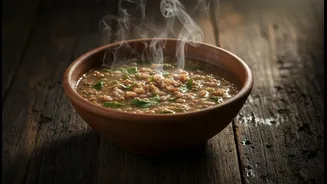
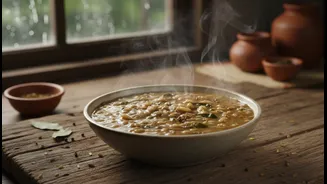
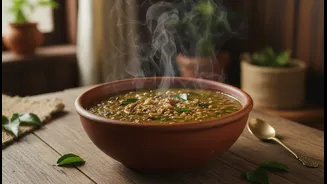
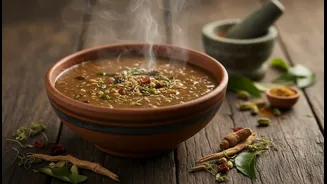
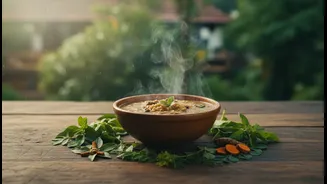
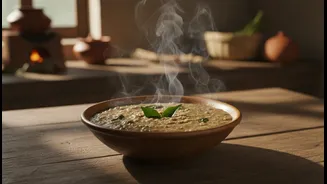
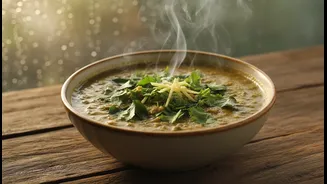
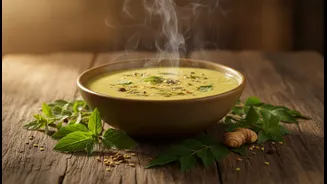
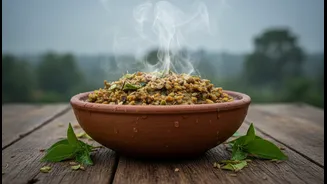
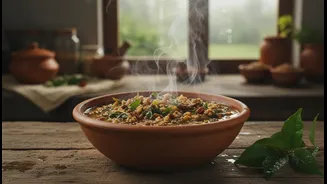
At the heart of this seasonal wellness regimen is Karkidaka Kanji, also known as Oushadha Kanji, which translates to 'medicinal porridge'. This is not your average gruel. It is a carefully formulated dish that embodies the Ayurvedic principle of 'Ahara as Aushadha' (food as medicine). The porridge is a therapeutic concoction designed specifically to counteract the challenges of the monsoon season. Its purpose is to rekindle the digestive fire, boost immunity, gently detoxify the body by eliminating accumulated toxins ('Ama'), and provide easily absorbable nutrition when the digestive system is sluggish.
A Symphony of Healing Ingredients
The magic of Karkidaka Kanji lies in its potent blend of ingredients, each chosen for a specific function. The base is often Njavara rice, a unique medicinal variety from Kerala that is light on the gut and known for its nourishing properties. To this, a host of herbs and spices are added. Warming spices like dry ginger (chukku), cumin (jeeraka), and fenugreek (uluva) are essential for stimulating digestion and reducing bloating. The porridge is further enriched with a powerful mix of medicinal herbs, sometimes including the revered 'Dashapushpam' (a group of ten sacred flowers) and 'Dashamoola' (a blend of ten medicinal roots), which offer anti-inflammatory and immune-boosting benefits. The final preparation often includes coconut milk, which adds nourishment and flavour.
A Ritual for Body and Soul
The significance of Karkidaka Kanji extends far beyond its physical benefits. Its preparation and consumption are steeped in tradition and ritual. For many families in Kerala, consuming the kanji, typically as a light evening meal for a period of 7, 14, or even 28 days, is a shared annual practice. The month of Karkidakam is also known as 'Ramayana Masam,' a time for spiritual reflection when households engage in daily readings of the epic Ramayana. This intertwining of a nourishing diet with spiritual practice creates a holistic approach to well-being, fostering a sense of peace and restoration for both the body and mind. It reinforces a connection to ancestral wisdom and nature's cycles.
Ancient Wisdom for Modern Times
While rooted in ancient texts, the principles behind Karkidaka Kanji are increasingly relevant today. In an age of processed foods and fading seasonal awareness, this humble porridge is a reminder of the power of eating in harmony with nature. It champions the use of local, functional ingredients to support the body's natural rhythms. As interest in holistic wellness and Ayurvedic practices grows globally, Karkidaka Kanji is finding a wider audience. Instant-mix packets are now readily available, making this tradition accessible to more people, even outside of Kerala. It stands as a testament to a tradition where health is not just about curing illness but about proactively nurturing vitality.