






Understanding GLP-1 Medications
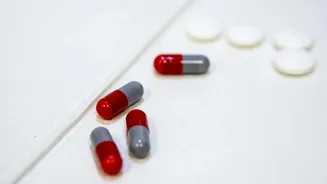
First, let's break down what these drugs are. GLP-1 receptor agonists are a class of medications that include well-known names like semaglutide (Ozempic, Wegovy) and liraglutide (Victoza). They work by mimicking a hormone that tells your brain you're
full, slows down digestion, and helps regulate blood sugar. Originally developed for type 2 diabetes, their powerful effect on weight loss has led to widespread use for managing obesity, with some patients losing 10% to 20% of their body weight. However, they are designed as a long-term treatment for chronic conditions, not a short-term fix.
The Alarming New Study
A large observational study published in early November 2026 in 'The Lancet Regional Health Europe' has put the consequences of stopping these drugs into sharp focus. Researchers analysed medical records from over 80,000 people with type 2 diabetes in Italy. They compared the health outcomes of patients who continued taking their GLP-1 medication with those who stopped. The results were stark. The group that discontinued the treatment had a significantly higher risk of experiencing a major, negative cardiovascular event.
Twice the Risk of Heart Attack or Stroke
The study found that people who stopped taking a GLP-1 drug had approximately twice the risk of a non-fatal heart attack, non-fatal stroke, or death from any cause compared to those who continued the therapy. Specifically, the rate of these events was 3.94 per 100 person-years in the group that stopped, versus just 1.96 in the group that stayed on the medication. This elevated risk was observed even though the tracked changes in traditional risk factors like body weight and blood pressure were relatively modest after stopping, raising new questions about how these drugs protect the cardiovascular system.
Why Does Stopping Increase Risk?
The primary reason for the increased risk is the loss of the drug's protective benefits. When the medication is stopped, its effects wear off. Appetite returns, often with more intensity, which can lead to rapid weight regain. Studies show it's common for patients to regain up to two-thirds of the weight they lost within a year of stopping. Beyond weight, the benefits to blood sugar control, blood pressure, and cholesterol levels also reverse, causing a person’s risk profile to return to or even exceed their baseline. The study essentially confirms that these drugs are not a cure, but an ongoing management tool for a chronic disease.
What Should Patients Do?
This research underscores a critical point: the decision to stop taking a GLP-1 medication should not be taken lightly. Many patients discontinue treatment for various reasons, including cost, side effects like nausea, or because they've reached their weight goal. However, experts stress that because obesity and diabetes are chronic conditions, the treatment often needs to be chronic, too. Anyone considering stopping their medication should first have a detailed conversation with their doctor. They can discuss a plan to monitor risk factors like blood pressure and cholesterol and implement sustainable lifestyle changes around diet and exercise to help mitigate some of the rebound effects.