


The Joy of Upcycling Textiles
In today's fast-paced metro life, creating a home that feels personal and conscious is more important than ever. Upcycling—the art of turning waste materials into something beautiful and new—is the perfect answer. Repurposing old cloth into decorative
runners not only saves money but also tackles the growing problem of textile waste. Initiatives across India are already showing how upcycling can revive traditional crafts and empower artisans by turning discarded materials into new products. This DIY approach allows you to weave your own stories and memories into your decor, creating an item that is truly one-of-a-kind. A handmade runner adds texture, warmth, and a personal touch that mass-produced items simply cannot replicate, making your modern space feel more authentic and welcoming.
Gathering Your Raw Materials
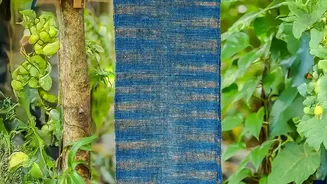
Look around your home for fabrics that are no longer in use. The best candidates are materials that tell a story or feature interesting textures and colours. Old cotton or silk sarees, vibrant dupattas, faded denim jeans, and even sturdy curtains can all be given a new life. Cotton and linen are excellent choices because they are easy to work with and offer a relaxed, natural look. For a more rustic feel, consider using jute or thick canvas. Don't be afraid to mix and match. Combining different fabrics, like the soft sheen of silk with the ruggedness of denim, can create a visually stunning patchwork effect. Before you begin, ensure all fabrics are washed and ironed to make them easier to handle.
No-Sew Techniques for Easy Crafting
The best part about this project is that you don’t need to be a sewing expert. Several no-sew methods can produce a beautiful runner. One of the simplest approaches is using fusible bonding web or tape. This involves cutting your fabric to the desired size, folding the edges to create a clean hem, placing the fusible tape inside the fold, and ironing it to seal the seam. Another creative option is to cut your fabrics into long strips and braid them together, securing the ends with knots or a strong fabric glue. For a casual, bohemian look, you can tear the fabric to create a fringed edge. This technique works especially well with woven fabrics like linen or cotton, where pulling away threads creates a soft, natural fringe.
Patchwork and Simple Sewing
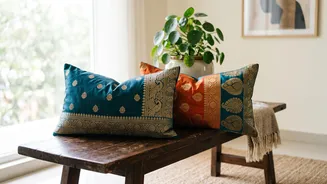
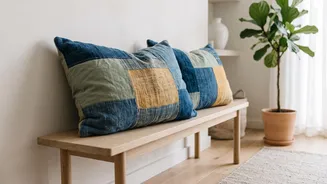
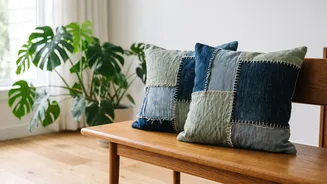
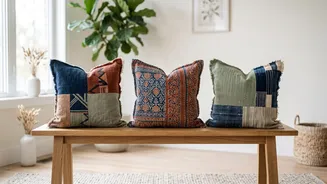
If you are comfortable with a needle and thread, a simple patchwork runner is a fantastic project. Cut your various fabrics into squares or rectangles of the same size. Arrange them in a pattern that is pleasing to the eye—you can alternate colours, textures, or prints. Sew the pieces together to form a long strip. For a more polished finish, you can add a backing fabric. Lay your patchwork piece on top of a single piece of backing fabric (like a plain cotton cloth), sew around the edges, and turn it inside out for a clean, professional look. This method is particularly effective for using up smaller scraps of fabric that might otherwise be discarded. Traditional Indian crafts like Kantha, which involves layering and stitching old fabrics, can be a great source of inspiration for your design.
Styling for a Modern Metro Home
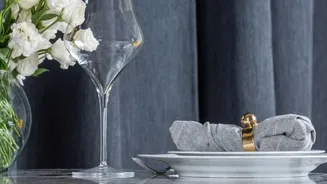
A handmade runner can perfectly complement a modern, minimalist aesthetic by adding texture and a point of interest. For a contemporary look, opt for solid, neutral colours or simple geometric patterns. A monochromatic runner in a shade like off-white or beige can create a clean, elegant line on a coffee table or dining surface. The beauty of a table runner is its versatility. It works on dining tables, coffee tables, consoles, and even draped over the back of a chair. To style your runner, keep the rest of the decor simple. A single vase with fresh flowers, a few candles, or a small bowl is often enough to create a balanced and inviting look. The runner should anchor the space, not overwhelm it.