


Why Dampness Is a Danger
High humidity and constantly wet fur create a warm, moist microclimate on your pet's skin, an ideal environment for bacteria and fungi to thrive. This can lead to a host of uncomfortable and sometimes painful conditions. Vets across India report a sharp
increase in skin problems during the rainy months. Common issues include bacterial infections (pyoderma), which appear as red bumps or crusty patches, and fungal infections like yeast and ringworm, which cause intense itching and a musty odour. These conditions are not just minor annoyances; they can cause significant discomfort, hair loss, and even lead to more serious secondary infections if left untreated.
The Paw Patrol: A Daily Ritual
Your pet's paws are on the front lines, constantly in contact with muddy paths and contaminated puddles. The spaces between their toes are particularly effective at trapping moisture, making them a prime spot for infections. It is non-negotiable to clean and dry their paws after every single walk. Use lukewarm water and a soft cloth or a dedicated paw cleaner to gently remove dirt. Afterwards, dry thoroughly between each toe pad. Trimming the hair around the paws can also improve air circulation and prevent mud from getting caked in. This simple daily habit is one of the most effective ways to prevent painful paw infections.
Bathing and Drying Done Right
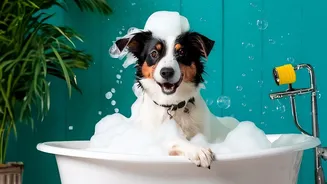
While it might seem logical to bathe your pet more often during the monsoon, over-bathing can strip their coat of its natural protective oils, making the skin more vulnerable. Most experts suggest bathing every two to three weeks unless they get particularly filthy. When you do give them a bath, consider using a mild anti-fungal shampoo as a preventative measure. The most critical step, however, is the drying. Never let your pet air-dry in humid weather. Use an absorbent towel to get off the excess water, then follow up with a pet-friendly hairdryer on a low, cool setting, especially for breeds with thick undercoats, to ensure they are completely dry right down to the skin.
Brushing: Your First Line of Defence
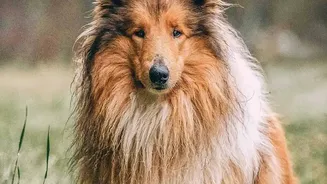
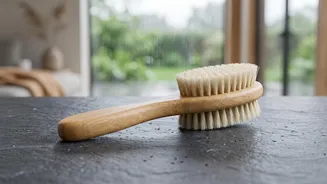
Regular brushing is a simple but powerful tool in your monsoon grooming kit. Daily brushing helps to remove loose fur, dirt, and debris that can trap moisture against the skin. It also prevents matting, which is a major culprit for creating damp, bacteria-friendly patches on the skin. Furthermore, brushing improves air circulation to the skin, helping it to stay dry and healthy. For pets with long or thick coats, daily brushing is essential during the rainy season; for those with shorter coats, a few times a week should suffice.
Beyond the Coat: A Clean Environment
Your grooming efforts shouldn't stop with your pet. Maintaining a clean and dry indoor environment is just as crucial. Wash your pet's bedding frequently in hot water and ensure it is completely dry before they use it, as damp bedding can become a hotbed for bacteria and fungi. Keep your home as well-ventilated as possible to reduce overall indoor humidity. If possible, use a dehumidifier in the room where your pet spends most of their time. Also, ensure they always have access to fresh, clean drinking water, as contaminated puddle water can lead to serious gastrointestinal issues.