


The Forest's Secret Glow
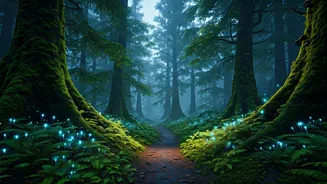
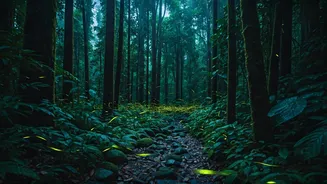
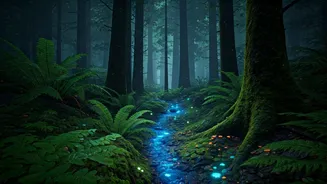
Imagine walking through a dense forest trail on a moonless monsoon night. The air is thick with the smell of damp earth and decaying leaves. As your eyes adjust to the darkness, you notice it: faint, ethereal patches of green and blue light emanating
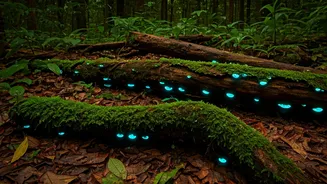
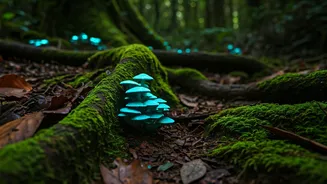
from the forest floor. They pulse gently on fallen logs, rotting branches, and even on the bark of living trees. This isn't a trick of the light or a forgotten torch. This is nature’s own light show, a phenomenon known as bioluminescence, courtesy of tiny, otherworldly mushrooms.
Meet the Mycena Mushroom
The source of this magical glow is a specific type of fungi, often belonging to the genus *Mycena*. These mushrooms are colloquially known as 'glowing mushrooms' or 'foxfire'. They thrive in the high humidity and damp conditions of the monsoon, sprouting from decaying organic matter. The light they produce is a 'cold light', meaning less than 20% of the light generates thermal radiation or heat. It's a natural chemical reaction that serves a very specific purpose for the fungus. Scientists believe the glow attracts nocturnal insects. As these insects crawl over the mushroom, they pick up spores and carry them to new locations, helping the fungus propagate across the forest floor. It’s a brilliant, silent strategy for survival, disguised as pure magic.
Where to Witness the Magic
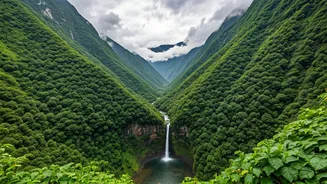
This breathtaking phenomenon is not found just anywhere. The prime location to witness it in India is the Western Ghats, a UNESCO World Heritage Site known for its incredible biodiversity. The states of Goa and Maharashtra are particular hotspots during the monsoon months, typically from June to October. In Goa, the Mhadei Wildlife Sanctuary and the Bhagwan Mahavir Sanctuary are renowned for their glowing forests. In Maharashtra, the Bhimashankar Wildlife Sanctuary and forested areas around the Sahyadri range offer similar spectacles. These glowing trails are often hidden deep within the forest, far from the light pollution of cities, making the experience even more special.
Planning Your Night Walk
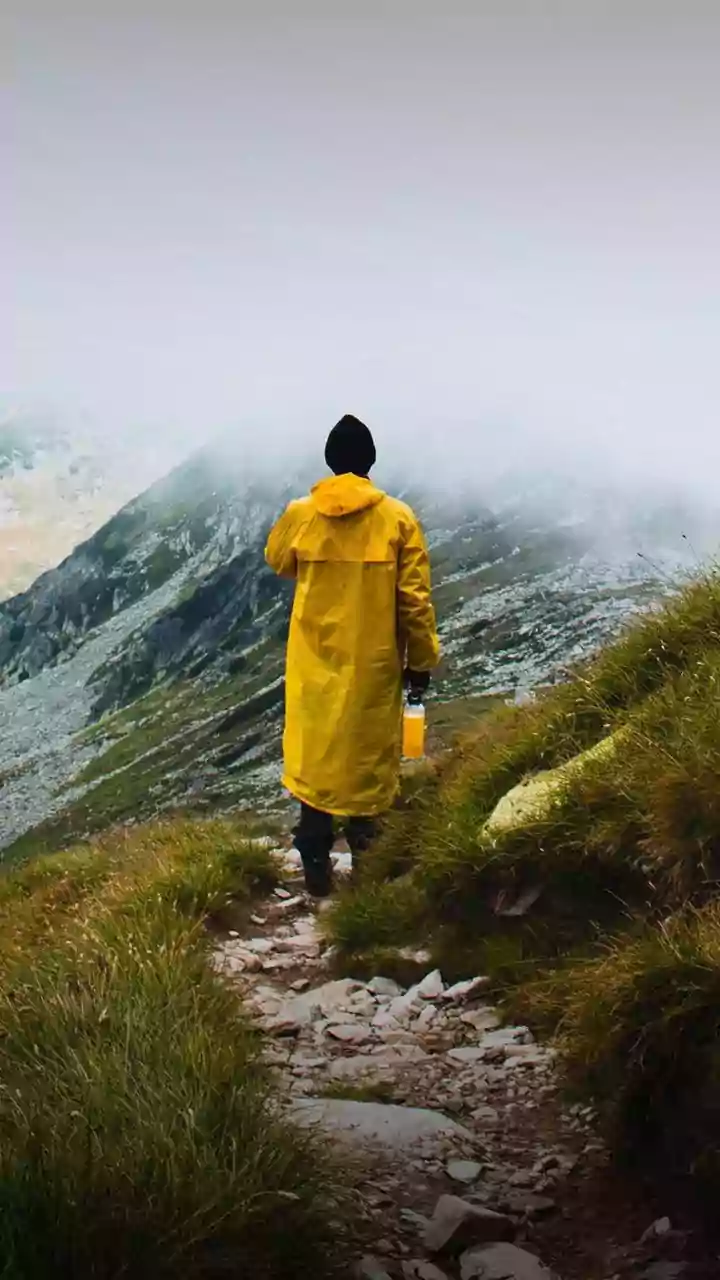
Seeing the glowing mushrooms requires some planning and a bit of luck. The best time to go is during the peak monsoon months, usually July and August, a few days after heavy rainfall. The fungi need moisture to fruit and glow. The darker the night, the better the view, so aim for a night with little to no moonlight. Most importantly, hire a local guide. These forests are dense and can be disorienting at night. A knowledgeable guide will not only ensure your safety but will also know the exact trails where the fungi are most likely to be found. They can point out things you would otherwise miss and share local knowledge about the forest's flora and fauna.
A Responsible Walker's Guide
As with any natural wonder, experiencing it comes with a responsibility to protect it. When you go on a bioluminescence walk, you are a guest in a delicate ecosystem. Stick to the designated trails to avoid trampling on unseen flora and fauna. Resist the temptation to touch or pick the mushrooms; they are fragile and part of a complex natural cycle. Minimise your use of artificial light. Using a bright white torch will ruin your night vision and diminish the magical glow. If you must use a light, opt for one with a red filter, which is less disruptive to nocturnal wildlife and your own eyes. Remember the golden rule of eco-tourism: leave no trace. Take only memories and photographs, and leave only footprints.