





India's Private Space Race Begins
For decades, space exploration in India was the domain of the Indian Space Research Organisation (ISRO). But following the monumental success of missions like Chandrayaan, a strategic shift is underway. ISRO is now transitioning its role, focusing on pioneering
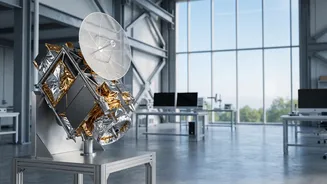
research and complex deep-space missions while entrusting the manufacturing of rockets and satellites to the private sector. This has ignited a vibrant startup ecosystem, with around 450 space-tech companies emerging across the country. Supported by the Indian Space Policy 2023 and new government initiatives like IN-SPACe, these firms are no longer just component suppliers; they are aiming to lead their own missions.
The New Architects of Lunar Exploration
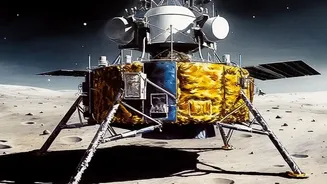
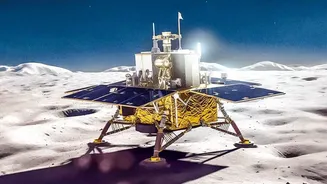
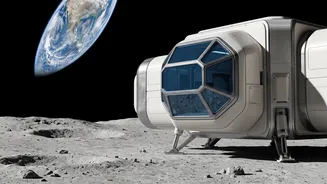
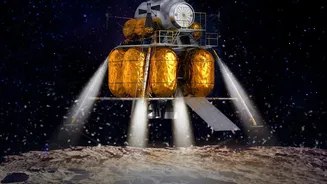
At the forefront of this commercial push is ORBITBeyond India. The company is establishing a major space systems centre in Bhubaneswar, Odisha, with the explicit goal of designing and building lunar landers and rovers from the ground up. This is not just an assembly plant; the Indian team is a core part of the design authority, co-developing the technology. Drawing on the expertise of engineers from ISRO's own legendary Chandrayaan program, the company plans its first lunar mission for 2029. This venture builds on the legacy of earlier pioneers like TeamIndus, which broke ground in the private lunar race during the Google Lunar XPRIZE competition. While early ventures faced challenges, they proved that private Indian firms could compete on the world stage and laid the foundation for the current boom.
What 'Low-Cost' Really Means
The term 'low-cost' can be misleading when discussing space hardware. It is not about building a cheaper, lower-quality product. For context, the lunar rovers used during the Apollo missions cost $38 million in 1971, which translates to well over $300 million in today's money. Today's Indian startups are leveraging decades of technological progress to bring this cost down dramatically. The savings come from modern production-line economics instead of one-off custom builds, the use of advanced materials, and streamlined manufacturing processes. By moving away from the bespoke government-contract model, these companies can develop sophisticated rovers at a fraction of the historical cost, opening the door to a sustainable commercial market.
A Taxi Service to the Moon
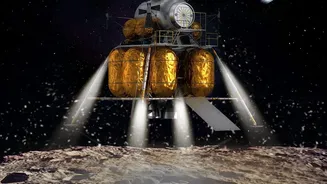
The ultimate business model for these new rovers is not to sell the vehicle itself, but to sell a service. These startups are positioning themselves as a 'taxi service' for the lunar surface, capable of carrying and operating payloads for a variety of customers. The primary market includes national space agencies like NASA, which runs the Commercial Lunar Payload Services (CLPS) program to buy delivery services from private companies. Beyond government contracts, these rovers can serve research institutions, private companies, and other nations looking to conduct science or test technology on the Moon without the expense of developing their own lander and rover missions. ORBITBeyond, for instance, is already certified for NASA's CLPS program, signaling a clear path to market.
The Growing Talent and Ambition
The rise of lunar hardware startups is fueled by a deep well of Indian talent. The ecosystem is filled with engineers and entrepreneurs who have experience with world-class space projects. For example, the co-founder of Kepler Aerospace, a Bengaluru startup that recently raised $8 million, previously worked on a lunar nano-rover project at a top European university. While Kepler's current focus is on defence satellites, the founder's background illustrates the cross-pollination of skills within India's growing space industry. This convergence of ambitious policy, available capital, and experienced talent is creating a powerful engine for innovation, ensuring that India's name will be central to the future of the commercial cislunar economy.