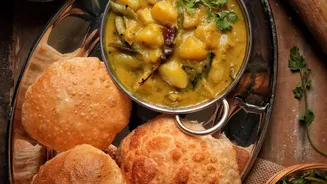






There are few sights more comforting in Indian cuisine than a plate of hot, puffed-up puris next to a bowl of fragrant sabzi. This simple combination is more than just a meal; it’s a weekend ritual, a festive tradition, and a beloved street food.
A Symphony of Simplicity
At its
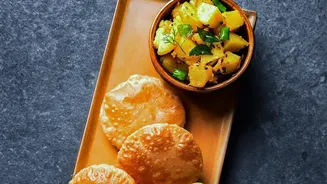
heart, puri sabzi is a study in delightful contrasts. The puri, a deep-fried, unleavened bread made from wheat flour, puffs up into a golden orb that is simultaneously crispy, chewy, and soft. It serves as the perfect scoop for the accompanying sabzi, a flavourful vegetable curry. Most often, the star of the sabzi is the humble potato, cooked in a gravy spiced with turmeric, cumin, and coriander. The magic lies in this pairing: the rich, savoury heat of the curry is perfectly balanced by the simple, satisfying texture of the hot puri, creating a breakfast that is both hearty and incredibly delicious.
A Dish for Every Occasion
Puri sabzi’s appeal lies in its incredible versatility. It is a cherished Sunday breakfast in many North Indian homes, a time for family to gather around a leisurely, indulgent meal. But it's also a festive staple, commonly prepared for special occasions and religious ceremonies. Beyond the home, it is one of the country's most popular street food breakfasts. Served fresh and hot from bustling roadside stalls, it offers a quick, affordable, and deeply satisfying meal for people on the go. Whether served on a fine plate at a celebration or in a disposable bowl on a busy street corner, puri sabzi brings a sense of comfort and community.
A Culinary Journey Across India
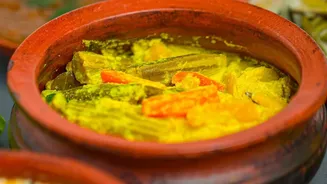
While the combination of fried bread and potato curry is classic, nearly every region in India has its own beloved version. In North India, the aloo sabzi is typically spicy and tangy, often served with a side of pickles. Move to Gujarat, and you might find a sweeter take on the sabzi. In Bengal, the puri transforms into the delicate, white-flour 'luchi', often paired with a light potato curry or cholar dal. In Uttar Pradesh, 'bedmi puri'—a heartier version stuffed with a spiced lentil paste—is a breakfast institution. South Indian variations might pair puris with a potato masala similar to a dosa filling or a vegetable kurma. This regional diversity showcases the dish's ability to adapt to local tastes while retaining its core identity.
The Enduring Appeal for Food Lovers
In an era of complex gastronomic trends, why does this simple dish continue to capture the hearts of foodies? The answer lies in its honest, unpretentious flavours and textures. There is a primal satisfaction in tearing a hot puri and dipping it into a flavourful curry. For many, it’s a taste of nostalgia, evoking memories of childhood, family meals, and festive joy. For others, it’s the ultimate comfort food—a reliable, delicious meal that never fails to satisfy. The homemade version offers control over hygiene and ingredients, making it a wholesome choice, while the street food experience provides an authentic, bustling cultural immersion. This blend of nostalgia, comfort, and adaptability makes puri sabzi a timeless classic that transcends fleeting food fads.