





The One-Pot Ayurvedic Hero: Khichdi
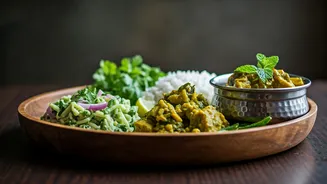
There’s a reason why khichdi is the ultimate Indian comfort food. This simple combination of rice and lentils (usually moong dal) is a nutritional powerhouse that’s incredibly easy on the digestive system. According to Ayurveda, our 'agni' or digestive fire
is weaker during the humid monsoon months, making it harder to break down heavy, oily, and complex foods. Khichdi, being pre-digested through cooking and soft in texture, gives your gut a much-needed break. It's a complete protein, providing sustained energy without the lethargy that a heavy meal can induce. Customise it with a pinch of turmeric for its anti-inflammatory properties, ginger to aid digestion, and a dollop of ghee, which helps lubricate the digestive tract and absorb nutrients.
Warmth in a Bowl: Soothing Soups
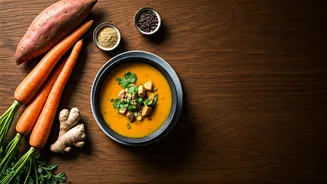
When the skies are grey and there’s a chill in the air, nothing feels better than a warm bowl of soup. During the monsoon, this is more than just comfort; it's a smart health choice. Clear, light soups made from vegetables like bottle gourd (lauki), carrots, and tomatoes are hydrating and packed with essential vitamins and minerals. They help replenish electrolytes lost through sweating in the humid weather. Opt for brothy soups over creamy, heavy ones. A simple mixed vegetable, lentil (dal ka shorba), or even a light chicken broth can boost immunity and fight off the common coughs and colds that are rampant this season. Add a dash of black pepper, which is known to be a great decongestant and digestive aid.
Steamed, Not Fried: The Gentle Cooking Method
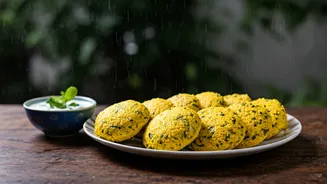
The craving for crispy, fried pakoras and samosas is almost universal when it rains. While indulging once in a while is part of the monsoon experience, making it a daily habit can wreak havoc on your digestion. The high humidity makes it harder for the body to process oily foods, leading to bloating and acidity. This is the perfect time to embrace steaming. Steamed vegetables retain more of their nutrients compared to boiling or frying. Think of steamed corn on the cob (bhutta), steamed momos with a light vegetable filling, or Gujarati dhokla. These options are light, oil-free, and won't tax your system. Even fish, if you're a non-vegetarian, is wonderful when steamed with ginger, garlic, and a hint of lemon.
Lighten Your Lentils: The Power of Pulses
Dals are a staple in every Indian household, but not all dals are created equal when it comes to monsoon digestion. Heavier lentils like chana, rajma, and urad dal can be difficult to digest and may cause gas and bloating. Instead, switch to lighter, easily digestible pulses. Moong dal (both split green and yellow) is the undisputed king here. Masoor dal (red lentil) is another excellent choice. A simple, soupy moong dal tadka with minimal spices is nourishing, comforting, and easy on the stomach. It provides the necessary protein and fibre without making you feel heavy or sluggish, making it a perfect accompaniment to steamed rice or a light roti for a satisfying yet simple meal.
Rethink Your Raw Intake
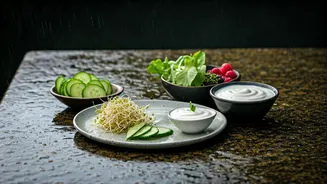
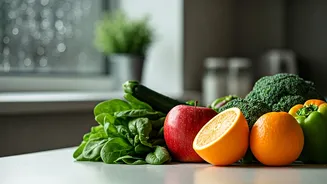
We are often told to eat plenty of salads and raw vegetables for good health. However, the monsoon is the one season where traditional wisdom advises caution. The high moisture content in the air increases the risk of microbial contamination on raw produce. Leafy green vegetables, in particular, can harbour germs and bacteria that thrive in damp conditions. If you do eat salads, ensure they are washed thoroughly, perhaps with a bit of salt or vinegar in the water, and dried completely. A better approach is to lightly cook or blanch your vegetables. A quick stir-fry or a simple subzi ensures that any surface-level contaminants are destroyed, making your food safer to consume while still retaining a good amount of its nutritional value.