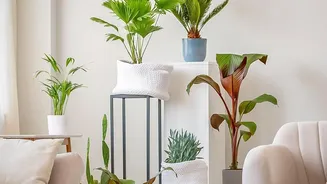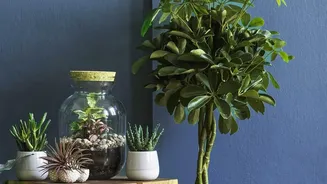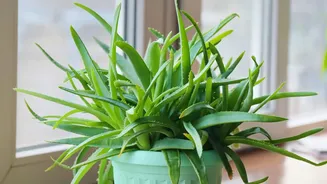





First, Become a Light Detective
Before you buy another plant, take a day to observe the light in your home. Light is the single most important factor for a plant's survival. Where you think a plant will look good might not be where it will grow best. A simple way to gauge light is the shadow
test. Place your hand a foot or two above the spot where you want a plant. A sharp, well-defined shadow indicates bright, direct light. A softer, fuzzier shadow means bright indirect or medium light. If there's barely a faint shadow, you're in low-light territory. Also, consider the direction your windows face. South-facing windows offer intense, direct sun, while north-facing windows provide the gentlest, lowest light. East-facing windows get softer morning sun, and west-facing windows receive strong afternoon sun. Understanding this map of your home's light is the first step to a thriving indoor garden.
Thriving in the Shadows: Low-Light Champions
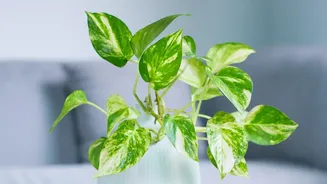
Low light doesn't mean no light. It refers to a spot that is far from a window or in a room with a north-facing window, where you could comfortably read a book in the afternoon. These conditions are perfect for plants that naturally grow on forest floors, beneath a canopy of trees. Don't despair if you have a dim corner; some of the hardiest and most stylish plants prefer these conditions. Snake Plant (Sansevieria): Famous for being nearly indestructible, the Snake Plant is a champion of low-light tolerance. Its upright, sword-like leaves add a modern architectural touch. It's also very forgiving if you forget to water it. ZZ Plant (Zamioculcas zamiifolia): With its glossy, dark green leaves, the ZZ Plant looks perpetually polished and healthy, even in very low light. It requires minimal watering and is perfect for busy people or beginners. Pothos (Epipremnum aureum): This vining plant is incredibly versatile. It can tolerate a wide spectrum of light conditions, but it excels in low to medium light. Its trailing vines are perfect for hanging baskets or draping over a bookshelf.
The Sweet Spot: Medium-Light Mainstays
Medium, or bright indirect light, is the most common condition in our homes. It's the light found a few feet away from a sunny window or near an east-facing window. The sun's rays don't hit the plant's leaves directly. This is the ideal environment for a huge variety of popular houseplants that originate from tropical jungles where they receive dappled sunlight. Monstera Deliciosa: Known for its iconic split leaves, the Monstera loves bright, indirect light to fuel its growth. Too much direct sun can scorch its leaves. It makes a stunning statement piece. Philodendron: This is a massive family of plants, with the heartleaf philodendron being one of the most popular. Like its cousin the Pothos, it's easygoing and adaptable, but it truly flourishes in medium light. Spider Plant (Chlorophytum comosum): With its fountain of arching leaves and baby plantlets (spiderettes), this plant is a classic for a reason. It's easy to care for and prefers medium light to maintain its vibrant green and white stripes.
Basking in Glory: Bright-Light Beauties
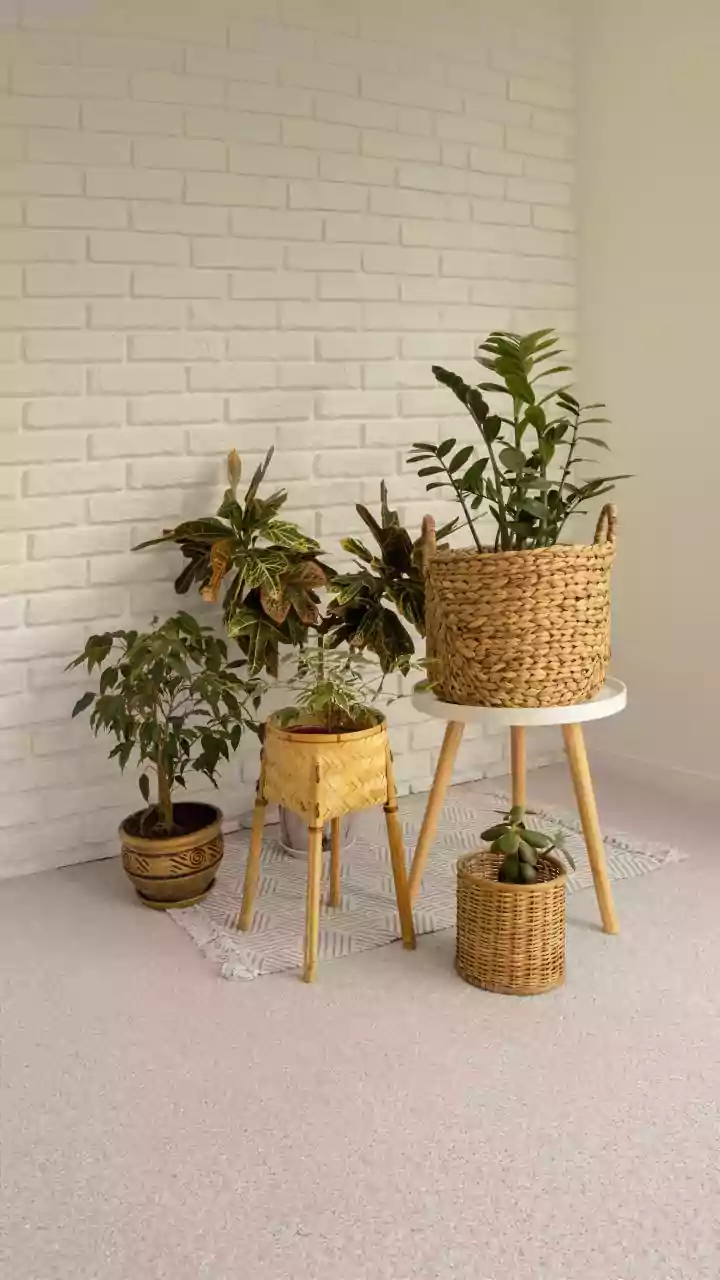
Bright light means several hours of direct sunbeams hitting the plant. This is typically found right in a south or west-facing window. While this intense light can burn many common tropical plants, it's exactly what sun-loving species crave. These are often desert natives or plants that grow in open, sunny fields. Succulents and Cacti: This is the most obvious group of sun-lovers. From Aloe Vera to various Echeveria species, these plants need plenty of direct sun to prevent them from becoming weak and 'leggy'. Croton (Codiaeum variegatum): If you want an explosion of colour, look no further. To produce and maintain their spectacular red, orange, and yellow foliage, Crotons require hours of bright, direct sunlight. * Bird of Paradise (Strelitzia nicolai): This large, dramatic plant brings a tropical feel to any room with its huge, banana-like leaves. It needs a very bright spot, often enjoying several hours of direct sun to thrive and eventually produce its namesake flower.