



A Library Inside a Shopping Mall
The most famous example of Seoul's approach is the Starfield Library, located not in a quiet civic square but in the heart of the COEX Mall, one of Asia's largest underground shopping complexes. Opened in 2017 as part of a major renovation, the library
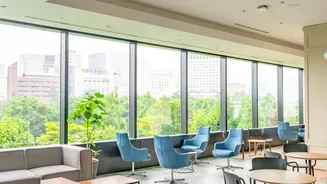
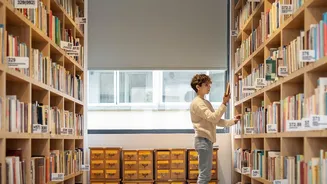
is a breathtaking public space designed to be a cultural centerpiece amidst bustling retail. Towering 13-meter-high bookshelves filled with over 70,000 books create a cathedral-like atmosphere, drawing visitors in. This is not a traditional lending library; no membership is required, and the books are for on-site reading only. The goal was to create a “third place”—a social space that is neither home nor work—where shoppers, tourists, and office workers can relax, read, or attend one of the many free cultural events like author talks and concerts held in the open plaza. By inserting a non-commercial, culturally enriching zone into a commercial megaplex, the Starfield Library transformed the mall from a place of transaction into a destination for connection and quiet reflection.
From Empty Warehouse to Treasure Trove
Another innovative project, the Seoul Book Bogo, demonstrates the power of adaptive reuse. The name translates to “a treasure trove of books,” and it’s housed in a formerly empty warehouse. Opened in 2019, it functions as a vast cultural complex and a consolidated marketplace for over 30 of the city's traditional used bookstores. The space features a stunning interior with tunnel-like archways made of books, preserving and celebrating the culture of second-hand literature. With over 120,000 books, it allows visitors to browse curated collections from different sellers, preserving each store's unique identity. More than just a store, Seoul Book Bogo hosts exhibitions, lectures, and community programs, turning a forgotten industrial building into a lively hub for book lovers of all ages. Its success has attracted a diverse crowd, from older generations seeking nostalgia to younger visitors discovering it through social media and its appearance in popular K-dramas.
Taking Reading to the Streets
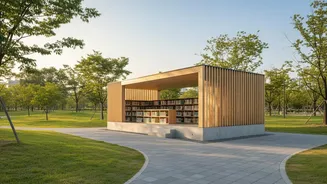
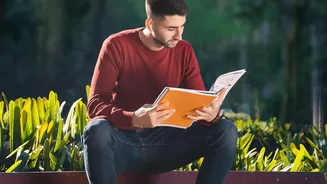
The principle extends beyond single buildings and into the city's open spaces. The Seoul Outdoor Library initiative, launched in 2022, was a direct response to a decline in reading habits and a public desire for safe, open-air gathering spots following the pandemic. The city transformed key public areas like Seoul Plaza and Gwanghwamun Square into building-free libraries, complete with bookshelves, comfortable seating like beanbags, and a welcoming atmosphere. The concept relies on trust; anyone can pick up a book and read without any formal check-out process. This has dramatically lowered the barrier to entry, attracting millions of visitors and revitalizing public squares that were often just thoroughfares. The program also includes a rich calendar of cultural events, from night reading sessions to collaborations with international embassies, turning reading into a shared social activity.
The Blueprint for People-First Spaces
These projects reveal a core philosophy: books are more than just objects to be read; they are tools for placemaking. The presence of books signals a space for quiet, contemplation, and community. It creates a welcoming environment that draws people in without the need for loud entertainment or expensive attractions. From the Gyeongui Line Book Street, which turned a 250-meter stretch of disused railway into a book-themed promenade, to smaller, cozy 'book-pubs' hidden in busy districts, the theme is consistent. These interventions are not about monumental architecture but about understanding human-scale needs. They repurpose existing infrastructure—a mall, a warehouse, a park, an old railway line—and activate it with a simple, universally appealing element. This light-touch, low-cost approach has proven incredibly effective, fostering a renewed culture of reading and civic engagement.