


Why Go Natural With Your Rangoli?
Many commercially available rangoli powders contain synthetic dyes and chemicals like lead, mercury, and cadmium. When washed away, these substances can pollute soil and water, harming plants and aquatic life. Moreover, they can cause skin allergies and pose
a risk to curious pets and children. Shifting to eco-friendly options revives a tradition where rangoli was a symbol of coexistence. The original practice often used rice flour, which served as food for ants and birds, beautifully connecting the art form with nature. By making your own colours, you not only ensure safety but also engage in a mindful, creative process that adds deeper meaning to your festive preparations.
Your Base Ingredients: The White Canvas
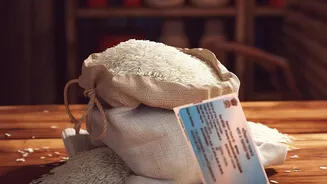
The foundation of most homemade rangoli colours is a white powder. Rice flour is the most traditional and popular choice. You can grind rice at home to get a slightly coarse texture, which provides a smooth flow for creating patterns. Alternatively, store-bought rice flour works well too. For a brighter, more free-flowing powder, some suggest mixing rice flour with an equal amount of powdered table salt. This mixture creates crisp, continuous lines, though you must ensure the floor is completely dry, as moisture can cause the salt to dissolve. Other options for your white base include simple all-purpose flour (maida) or even sawdust for a different texture.
Creating a Rainbow From Your Kitchen
With your white base ready, it's time to create a spectrum of colours using everyday kitchen ingredients. For a vibrant yellow, nothing beats turmeric powder. To make a bright orange, you can dry and grind carrot peels or orange peels. For reds and pinks, beetroot is an excellent choice; simply grate it, sun-dry the gratings completely, and then grind them into a fine powder. You can also use kumkum for a traditional red. A beautiful green can be made by sun-drying and grinding spinach or mint leaves. For a rich brown, use cinnamon or coffee powder. For black, finely ground charcoal or black sesame seeds work perfectly. If you have access to indigo flowers, they can be crushed and dried to produce a lovely blue.
The Vibrant Touch of Flower Petals
Flower petals are perhaps the most beautiful and fragrant way to create an eco-friendly rangoli. They can be used whole or crushed, fresh or dried, to add texture and stunning natural colour. Marigolds are perfect for brilliant yellows and oranges. Rose petals can provide shades of pink, red, and white. Bougainvillea petals, when dried, create lovely pink and lavender hues. For other colours, you can use hibiscus for red and jasmine for white. A floral rangoli can be as simple as creating a circular mandala pattern and filling it with different coloured petals. This method is not only completely biodegradable but also fills the air with a wonderful natural fragrance.
Tips for Designing and Applying Your Rangoli
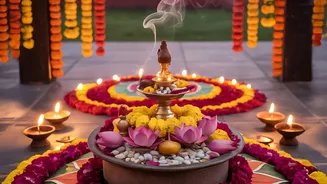
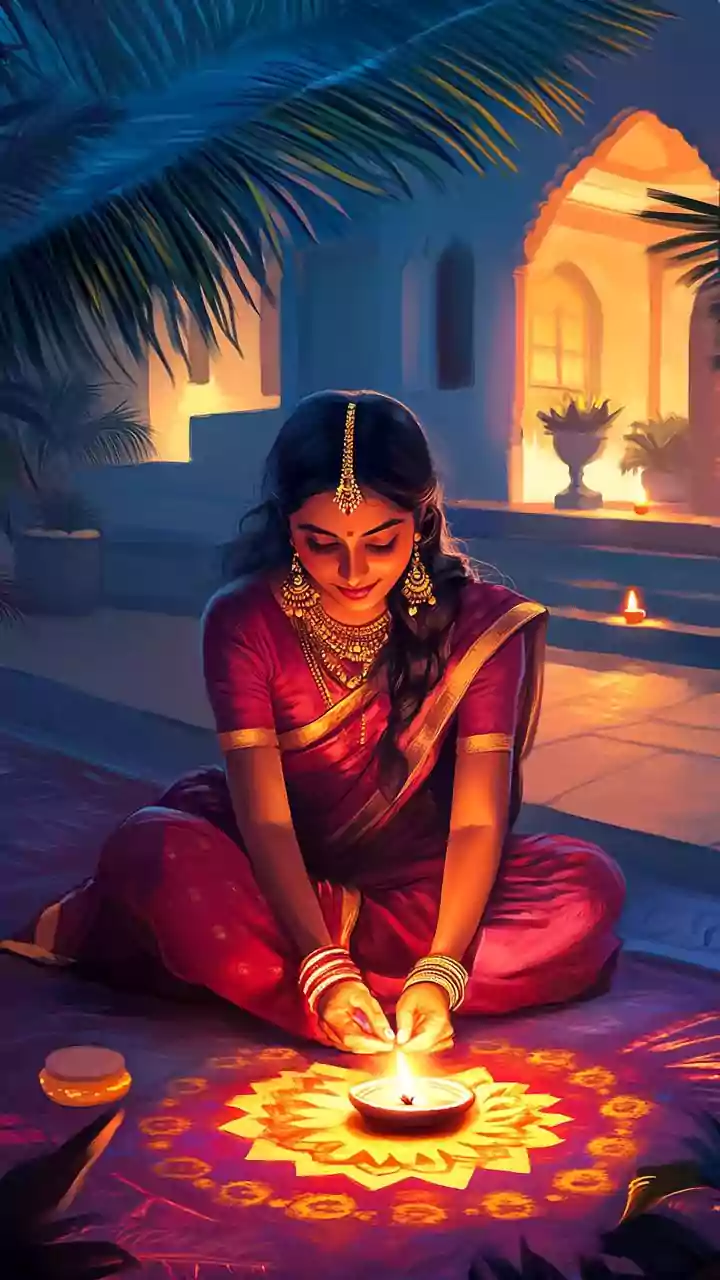
Before you begin, ensure the surface is clean and dry. For beginners, it can be helpful to sketch your design lightly with chalk first. Dot grid patterns, known as 'pulli kolam', are a traditional and easy way to start. To apply the powder, take a small pinch between your thumb and forefinger, and let it flow as you move your hand. For larger areas, you can fill in colours using a spoon or by creating a small cone with paper. You can also use grains, lentils, and pulses to add different textures and earthy tones to your design. To give your rangoli a 3D effect, try layering larger pulses on the outside and finer powders towards the centre. Finally, placing clay diyas around your finished masterpiece will illuminate its natural beauty.