



Start With a Solid Foundation
Before you start scattering cushions, think about your largest surfaces. These are the anchors of your room's textural story. A plush area rug can ground the space, while curtains soften the hard edges of windows. If you're starting fresh, consider upholstered
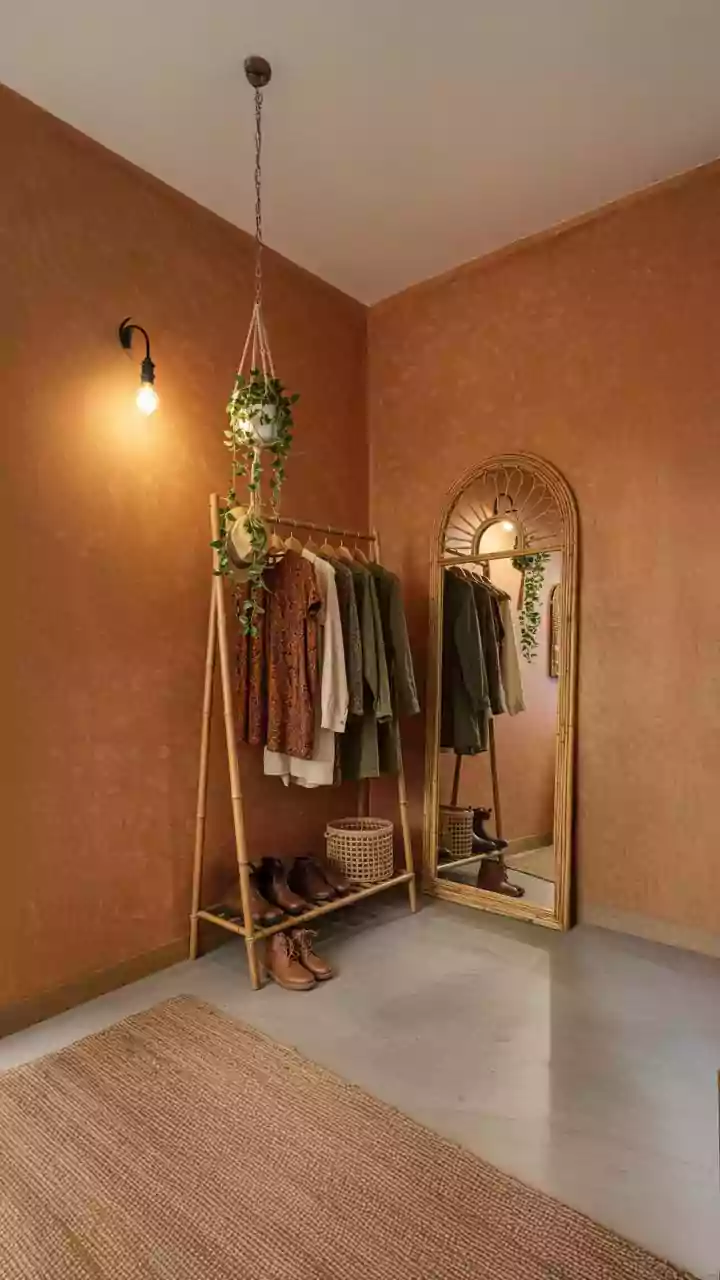
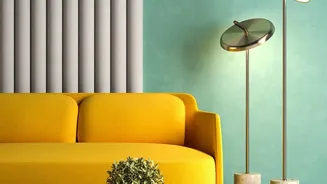
furniture in versatile fabrics like linen or a tight-weave cotton. These larger items create the foundation upon which you can build. For example, a smooth leather sofa provides a perfect backdrop for softer, plusher accessories. Think of these foundational pieces as the canvas for your styling. A room with warm neutral walls and wood floors is a great starting point, allowing different textures to stand out.
Mix and Match Your Materials
The key to successful layering is creating contrast. Avoid using the same material everywhere, which can make a room feel flat. Instead, aim for a thoughtful mix of different weaves and finishes. Pair rough with smooth, and matte with a subtle sheen. For instance, the crispness of linen or cotton pairs beautifully with the plush richness of velvet. A chunky knit throw tossed over a smooth leather chair creates an inviting, tactile moment. Don't be afraid to combine materials like wool, bouclé, faux fur, and silk. This interplay between different surfaces is what adds visual weight and sophistication.
Play With Pattern and Scale
Once you're comfortable with texture, you can introduce patterns. A good rule of thumb is to vary the scale of your prints to avoid them competing with each other. Combine a large-scale pattern, like a bold floral on an accent chair, with a medium-scale geometric on a cushion, and a small, subtle print on another. If you're new to pattern mixing, start by sticking to a consistent colour palette. When different patterns share a common colour, they feel connected rather than chaotic. Solids are also crucial; they give the eye a place to rest and prevent the decor from feeling too busy.
Cushions are Your Secret Weapon
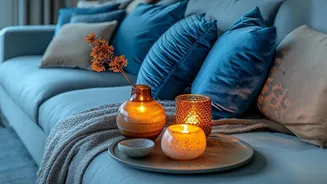
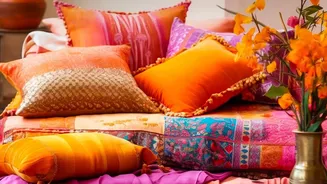
Cushions are the easiest and most affordable way to experiment with fabric layering. Think of their arrangement as a hierarchy. Start with larger square pillows at the corners of your sofa, then layer in smaller, medium-sized ones in front. Finish with a uniquely shaped accent, like a round or lumbar pillow, to add personality. This is your chance to be brave. Mix a solid velvet cushion with a patterned linen one and a third with a nubby, woven texture. Using an odd number of pillows, such as three or five, often looks more natural and less rigid than symmetrical pairs.
The Finishing Touch: Throws and Blankets
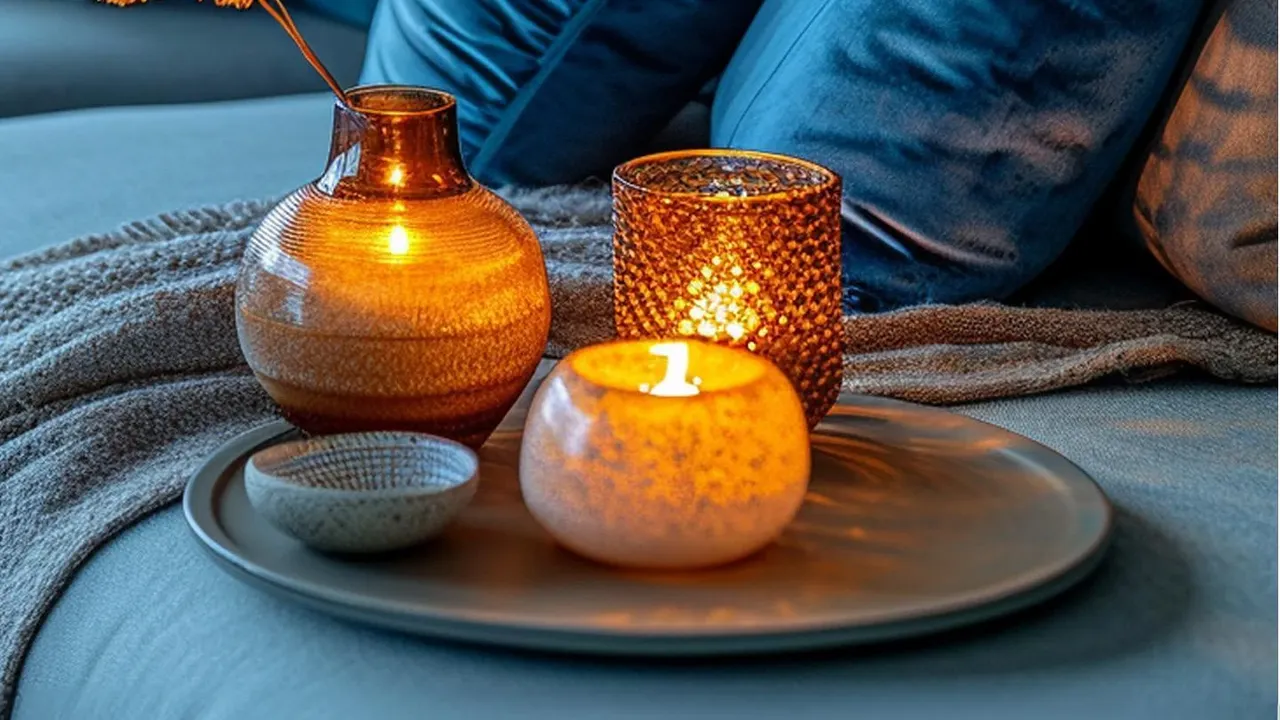
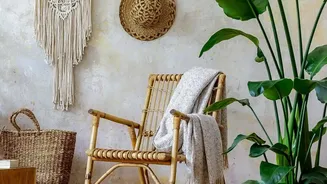
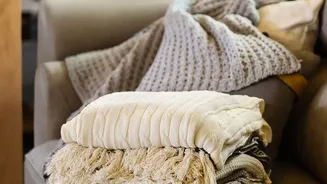
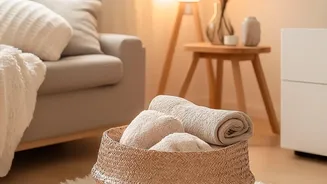
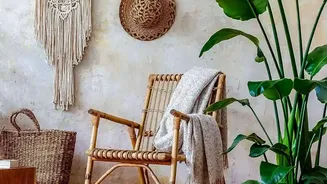
A throw blanket is both functional and decorative, offering the final layer of softness and colour. The way you style it can change the entire mood. A neatly folded throw placed over the arm of a sofa or at the foot of a bed gives a polished, intentional look. For a more casual and inviting vibe, drape it loosely over the back of a chair or a corner of the couch. Throws are also a great opportunity to introduce a contrasting texture. A chunky, hand-knit blanket adds a rustic warmth, while a lightweight gauze or cashmere throw can feel more refined and airy.