





The Challenge with Current Batteries
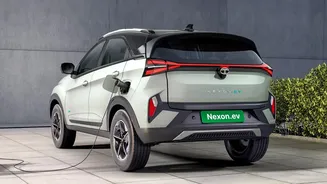
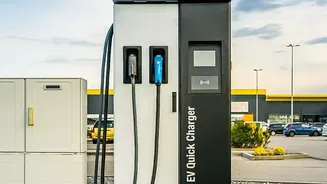
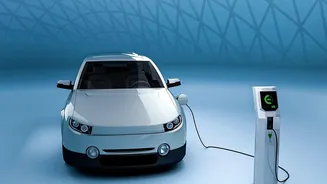
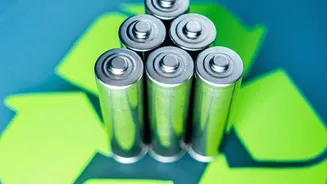
Electric vehicles are powered by lithium-ion batteries, a technology that has become incredibly common but carries inherent risks. The liquid electrolytes used in these batteries, which allow charge to flow between the positive and negative electrodes,
are typically flammable organic solvents. If a battery is damaged or overheats, it can lead to a dangerous situation called thermal runaway, where a chemical chain reaction causes an intense and hard-to-extinguish fire. Beyond safety concerns, the materials for these batteries present a major environmental and geopolitical challenge. Key components like lithium, cobalt, and nickel are sourced through intensive mining operations that are often geographically concentrated, expensive, and damaging to the environment. This reliance on finite, mined resources creates a bottleneck for an industry aiming for sustainability.
A Breakthrough from an Unlikely Source
In the quest for a better battery, scientists are turning to one of the most abundant and overlooked materials on the planet: agricultural and forestry waste. Researchers are now developing novel battery components from lignin, a natural polymer that gives wood its strength and rigidity. Lignin is a major byproduct of the paper and pulp industry, where it is often simply burned for energy. By repurposing this waste material, scientists are creating a pathway to batteries that are not only safer but also built on a foundation of circular-economy principles. Teams at institutions like Germany's Fraunhofer Institute are pioneering these efforts, transforming lignin into high-performance battery components. This approach aims to reduce dependence on critical raw materials and create a more sustainable, localized supply chain for battery production.
How Plant Power Makes Batteries Safer
The innovation lies in replacing the volatile, flammable liquids in current batteries with more stable, plant-derived materials. The focus is on two key areas: the electrodes and the electrolyte. Lignin can be processed through heating at high temperatures, a method called pyrolysis, to create a form of 'hard carbon'. This carbon can then be used to make the battery's negative electrode, or anode. More critically, research is also exploring lignin's use in creating solid or gel-based electrolytes. These solid-state electrolytes are inherently non-flammable because they lack the liquid solvents that can catch fire. By using a water-based or solid polymer medium derived from biomaterials, the risk of fire is virtually eliminated. Tests on similar non-flammable electrolyte concepts have shown that even when punctured, the battery cells do not experience thermal runaway, a stark contrast to their lithium-ion counterparts.
Not Just Safer, but More Sustainable
The benefits of using agricultural waste extend far beyond fire safety. A battery built from lignin is fundamentally more sustainable. It utilizes a resource that is widely available and often considered waste, reducing the need for destructive mining. This could dramatically lower the carbon footprint of battery manufacturing, especially since the lignin is no longer being burned and releasing carbon into the atmosphere. Furthermore, many of these bio-based batteries are being designed as sodium-ion systems instead of lithium-ion. Sodium is far more abundant and cheaper than lithium, which could lead to significant cost reductions in the long run. Researchers are also focused on eliminating other toxic materials, like fluorine, from the battery's chemistry, making the entire product more environmentally friendly and easier to recycle at the end of its life.
The Road to Commercialization
While the promise of a non-flammable, wood-based battery is immense, it's important to manage expectations. Much of this research is still in the laboratory and early prototype phase. Scientists have demonstrated success in lab cells, showing stable performance over hundreds of charging and discharging cycles, but scaling this technology for mass production is a significant hurdle. The energy density of these early-stage batteries—the amount of energy they can store for their size—is often lower than that of high-performance lithium-ion batteries. As a result, the first commercial applications may not be for high-performance electric cars but rather for stationary energy storage or for smaller vehicles like forklifts and microcars, where rapid charging and extreme power density are less critical. Continued research will focus on improving performance and solving the manufacturing challenges required to bring these green batteries to the mainstream market.