




Why Your Balcony is a Mini-Nature Reserve
Rapid urbanisation across India is shrinking natural habitats, creating fragmented green spaces that make it difficult for wildlife to thrive. Even a small collection of plants on a balcony can act as a crucial stepping stone, linking larger green areas
like parks and gardens. These mini-ecosystems provide essential resources for pollinators and birds navigating the cityscape. By turning your balcony into a garden, you are doing more than just beautifying a small space; you are actively contributing to local biodiversity and creating a healthier urban environment for everyone.
Choose Native Plants for Maximum Impact
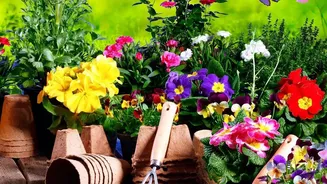
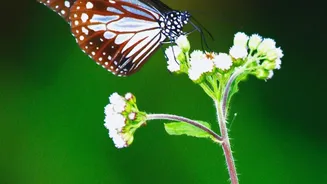
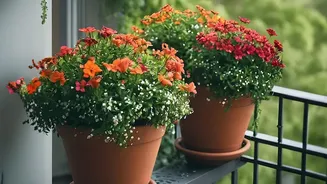
The single most effective step is to choose native plants. These species are already adapted to the local climate and soil, making them easier to maintain. More importantly, they provide the specific food that local insects and birds have evolved to rely on. While exotic plants might look attractive, native varieties support a far greater amount of insect life, which in turn becomes a food source for birds. For pan-India success, consider flowers like marigolds, hibiscus, and jasmine. Marigolds are easy to grow and attract a host of butterflies and bees, while also helping to deter pests naturally. The large, nectar-rich flowers of the hibiscus are a favourite for sunbirds. For those with a bit more space, climbers like bougainvillea can offer dense cover for birds to shelter or even nest.
Provide Food, Water, and Shelter
A truly useful wildlife garden thinks in layers, providing for the three essential needs of any creature: food, water, and shelter. For food, aim for variety. Nectar-rich flowers like ixora and lavender attract bees and butterflies, while sunflowers produce seeds that sparrows and finches will feast on. Leaving the seed heads on plants like coneflowers through the winter provides a valuable food source when other options are scarce. Water is often the quickest way to attract visitors. A simple, shallow terracotta dish or saucer filled with clean water is perfect for birds to drink and bathe in. For butterflies and bees, which can drown easily, place a few pebbles or a bit of sand in a shallow dish of water to give them a safe place to land and drink. Shelter gives wildlife a reason to stay. Densely planted shrubs like hibiscus or climbers provide cover from predators and harsh weather. Even leaving a corner with some leaf litter or small twigs can create a valuable hiding spot for insects.
Go Chemical-Free and Add Thoughtful Touches
To create a healthy ecosystem, it is vital to avoid chemical pesticides and fertilizers. These products can harm or kill the very pollinators you are trying to attract and disrupt the natural food chain. Opt for organic solutions like neem oil spray to manage pests and use natural compost to nourish your plants. Companion planting, such as growing basil with chillies, can also help repel unwanted insects while attracting beneficial ones. Beyond plants, a few simple additions can make a big difference. If you have large glass doors, apply anti-collision stickers to prevent birds from flying into them. You can also hang roosting pockets or provide small artificial nests to offer safe resting places. Remember that natural sounds are more welcoming than artificial ones; the sound of trickling water from a small fountain can attract birds, while a loud windchime might deter them.
Be Patient and Enjoy the Show
Creating a habitat takes time. It might take a few weeks or even a season for local wildlife to discover your new garden. Don't be discouraged. The key is to provide consistent resources. Ensure your plants offer blooms across different seasons to provide a year-round food supply. Start small if you feel overwhelmed—a single pot of tulsi or a window box of marigolds is a fantastic beginning. Observe what works, what visitors you get, and what they seem to prefer. Soon, you will be rewarded with the quiet hum of bees, the delicate flutter of butterfly wings, and the cheerful chirping of small birds right outside your window. This connection to nature is not only beneficial for the wildlife but also a proven way to reduce stress and improve your own well-being.