
What is Low-Water Gardening?
Low-water gardening, often called xeriscaping, is a smart landscaping approach designed to minimise or eliminate the need for supplemental watering. The term might sound technical, but the idea is simple: create a garden that thrives in your local climate
with minimal intervention. It's a far cry from the old misconception of just cacti and gravel. Instead, it’s a holistic system involving thoughtful planning, soil improvement, and the use of beautiful, drought-tolerant plants to create a resilient and resource-efficient green space. This method is gaining traction across India, not just in arid regions, as a response to increasingly unpredictable monsoons and stressed water resources.
The Benefits Beyond Saving Water
The most obvious advantage of a low-water garden is, of course, a reduction in your water bills and consumption. However, the perks go much further. These gardens are significantly lower in maintenance, requiring less frequent watering, fertilising, and weeding, which frees up your time. By using native or locally adapted plants, you create a habitat that supports local wildlife, including essential pollinators like bees and butterflies. This approach also improves soil health over time and reduces the need for chemical pesticides and fertilisers, making your garden a healthier place for your family and the environment. Ultimately, it’s about creating a landscape that is more resilient to climate fluctuations and heatwaves.
Smart Soil and Efficient Watering
The foundation of a successful low-water garden lies in the soil. Healthy soil acts like a sponge, absorbing water quickly and holding it for plant roots to access. Before planting, it's crucial to improve your soil by adding organic matter like compost or cocopeat, which enhances water retention. Applying a layer of mulch—such as wood chips or dried leaves—on top of the soil is another vital step. Mulch helps to keep the soil cool, prevents water from evaporating, and suppresses weed growth. When you do need to water, do it efficiently. Drip irrigation systems and soaker hoses deliver water directly to the roots, minimising waste from evaporation that occurs with sprinklers. Watering deeply but infrequently encourages plants to develop deep roots, making them more resilient.
Choosing the Right Plants for India
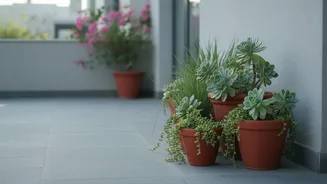
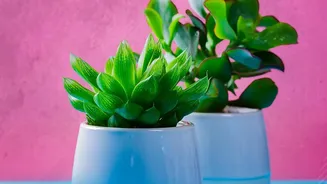
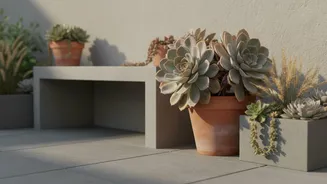
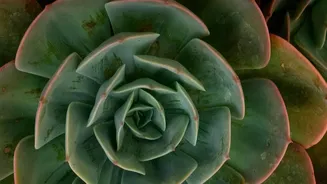
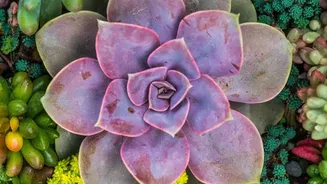
You don't have to sacrifice colour and variety for a water-wise garden. India's diverse climate offers a rich palette of beautiful, hardy plants. Once established, many require very little care. Bougainvillea, for example, thrives on neglect and produces more flowers with less water. Succulents like Agave and Aloe Vera are excellent choices, storing water in their thick leaves. For indoor spaces or shaded balconies, the Snake Plant and ZZ Plant are nearly indestructible and act as air purifiers. Many herbs, such as Tulsi (Holy Basil) and Lemongrass, are also naturally drought-tolerant. Flowering shrubs like Lantana and Oleander add splashes of colour while withstanding the heat. The key is to select plants that are native or well-adapted to your specific region.
Simple Design for Maximum Impact
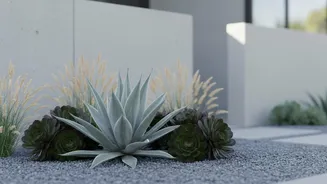
A great low-water garden starts with a good plan. A core principle is 'hydrozoning'—grouping plants with similar water needs together. This ensures that you aren’t overwatering a drought-tolerant plant just to keep its thirsty neighbour alive. Place your most water-intensive plants, like vegetables or certain herbs, in a small, manageable area close to the house or a water source. Use the largest parts of your garden for hardy natives that can survive on rainfall alone once they are established. Don't be afraid to incorporate non-plant elements, known as hardscaping. Permeable pathways, gravel beds, and patios can reduce the amount of land that needs watering while adding structure and visual interest to your garden.