









What Are Fresh Pet Diets?
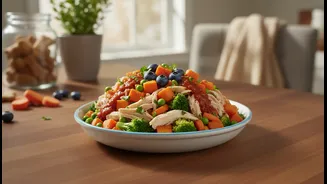
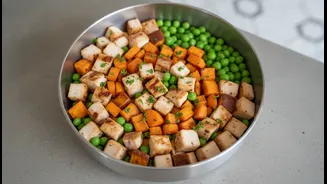
Forget the dry, brown pellets. Fresh dog food consists of minimally processed meals made from whole-food ingredients like real meats, vegetables, and grains, often gently cooked to preserve nutrients. Many new-age Indian brands now offer these meals through
subscription services, delivering pre-portioned, customised plans based on a dog's age, breed, and health needs. The ingredients are often 'human-grade,' meaning they meet the same quality standards as food for people, a key selling point for owners who see their pets as family. These meals are refrigerated or frozen and served fresh, offering a stark contrast to shelf-stable commercial kibble.
The Driving Force: Pet Humanisation
This dietary shift is part of a larger trend known as 'pet humanisation,' where pets are increasingly viewed as integral family members, especially among Millennial and Gen Z owners in urban centres. For these pet parents, providing a diet that mirrors their own wellness choices feels natural. The advertised benefits are compelling: better digestion, improved skin and coat health, higher energy levels, and more excitement at mealtimes for picky eaters. Many owners are drawn to the transparency of fresh food; seeing identifiable ingredients like chicken, carrots, and brown rice in their dog's bowl provides a sense of trust that processed kibble often lacks.
A Balanced Look at Kibble
While fresh food gains popularity, it's important not to dismiss all commercial kibble. High-quality dry food remains a convenient, affordable, and nutritionally complete option for millions of dogs. Reputable brands formulate their kibble to meet strict nutritional standards, and many veterinarians still recommend it as a primary diet base. Kibble's crunchy texture can also help with dental hygiene, and its long shelf life makes it a practical choice for many households. However, critics point to the high processing temperatures that can degrade nutrients, the use of preservatives, and the low moisture content, which can contribute to mild, chronic dehydration, a particular concern in India's hot climate.
What 'Vet-Approved' Really Means
The term 'vet-approved' or 'vet-formulated' is a powerful marketing tool, but it's crucial to understand what it signifies. It can mean that a qualified veterinary nutritionist has developed the recipes and ensured they are complete and balanced according to established standards. However, it can also mean a veterinarian simply sits on the company's advisory board. Before choosing a brand, discerning pet owners should investigate the credentials of the formulating team. The gold standard is a recipe formulated by a board-certified veterinary nutritionist to meet globally recognised guidelines like those from the Association of American Feed Control Officials (AAFCO).
The Veterinarian's Perspective
Most veterinarians agree that the best diet is one that is nutritionally complete, balanced, and appropriate for the individual dog. While many acknowledge the benefits of fresh food, especially its higher digestibility and palatability, they caution that not all fresh diets are created equal. An incomplete or unbalanced fresh diet can be more harmful than a standard kibble. There are also safety considerations, as fresh food requires careful handling and refrigeration to prevent bacterial contamination, a risk that is lower with processed kibble. Ultimately, vets stress that the format—whether fresh, raw, or dry—matters less than the nutritional integrity of the food itself.
Considering the Cost and Commitment
The primary drawbacks of a fresh food diet are cost and convenience. Fresh-cooked meals are significantly more expensive than even premium kibble, which can be a major factor, especially for owners of large-breed dogs. The logistics also require more effort. These meals demand ample freezer and refrigerator space and need to be served according to a schedule. For busy urban households, the convenience of scooping kibble into a bowl is a hard habit to break. However, for a growing number of pet parents, the perceived health benefits and the joy of serving their dog a fresh, wholesome meal outweigh the extra cost and effort.