





Decoding Your Flight's Final Price
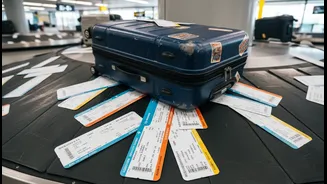
The initial price you see for a flight to Tokyo or Osaka is just the beginning. Airlines often advertise a base fare, which doesn't include a host of additional charges. These can include hefty fuel surcharges, airport taxes for both departure and arrival,
and various service fees. Furthermore, booking through a third-party aggregator versus directly with an airline can yield different prices due to commissions and bundled services. Low-cost carriers like Peach and Jetstar Japan might seem cheaper upfront, but their baggage policies can lead to high fees at the airport, quickly erasing any initial savings if you're not careful. The time you book also matters immensely; last-minute deals are rare in Japan, where prices tend to rise closer to the departure date.
The Japan Rail Pass: Where You Buy Matters
The Japan Rail Pass, a popular choice for tourists, is a prime example of how the same product can have different costs. You can purchase the pass directly from the official JR website or through an authorized third-party reseller. While the base price in yen is set, resellers transact in your local currency, and the exchange rate they use can vary significantly. Some add their own service fees. As of October 2026, passes bought through travel agencies are slated to be more expensive than those purchased on the official JR website. Buying from the official site has the added benefit of allowing you to reserve seats online before you even arrive in Japan. Always compare the final, all-in price in your currency before committing.
Attraction Tickets: Official Site vs. Reseller
For high-demand attractions like the Ghibli Museum or teamLab Borderless, tickets are often sold through a lottery or a limited first-come, first-served online system. These tickets, when purchased from the official source, have a fixed face value. However, they sell out almost instantly. This creates a thriving secondary market where resellers and tour companies offer the same tickets at a significant markup. While using a reseller might be the only way to secure a last-minute ticket, you will pay a premium for the convenience. Some attractions are also beginning to implement dual-pricing systems, where foreign tourists are charged a higher entry fee than residents. Always check the official website first to understand the baseline cost and availability.
The Currency Conversion Trap
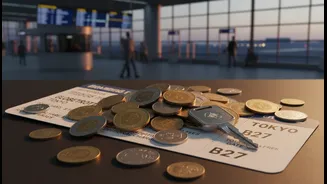
When booking online, you might be offered the 'convenience' of paying in your home currency. This service, known as Dynamic Currency Conversion (DCC), often comes with a poor exchange rate and hidden fees set by the merchant's payment processor. These rates are almost always less favorable than what your own bank or credit card company would offer. To get the best deal, always choose to be charged in the local currency, which is Japanese Yen (JPY). Even if your card charges a foreign transaction fee, the total cost is typically lower than accepting DCC. This applies to everything from online bookings to purchases made in stores and at ATMs while you are in Japan.
Package Deals: A Closer Look at 'All-In'
All-inclusive vacation packages can seem like a straightforward way to manage costs, bundling flights, hotels, and sometimes tours into a single price. However, the 'all-in' cost can obscure the true price of each component. A package might use a less desirable flight time or a hotel that is further from the city center to keep the headline price low. While they offer convenience, it's wise to price out the individual components separately to see if you are truly getting a deal. Sometimes, the flexibility of booking each element yourself allows you to find better prices and tailor the trip more closely to your preferences, even if it requires more research.