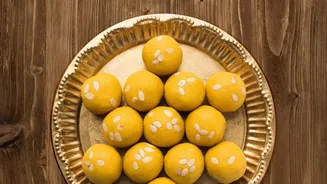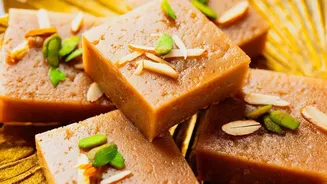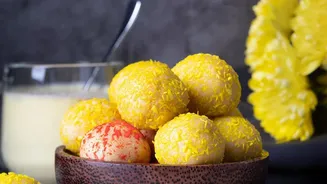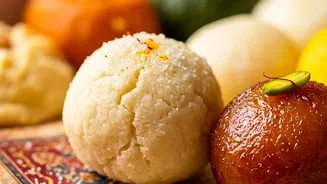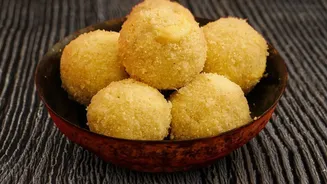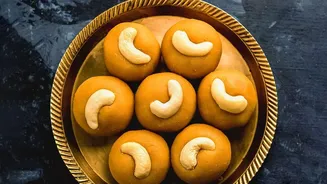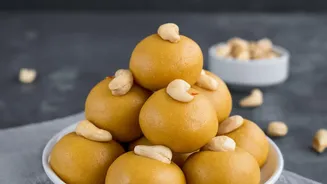






The aroma of besan roasting in ghee is the scent of celebration. But achieving that perfect, soft besan ladoo can be tricky. This guide demystifies the process, focusing on the crucial balance of moisture for a flawless, melt-in-your-mouth texture.
The Foundation: Your Ingredients Matter
The
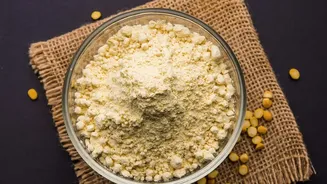
journey to a perfect besan ladoo begins with your ingredients. The type of besan, or gram flour, you choose sets the stage. Many expert cooks recommend a slightly coarse variety, often sold as 'ladoo besan'. This coarser grind roasts more evenly and gives the ladoo its desirable grainy texture without being dense. If you only have fine besan, don't worry. You can achieve a similar texture by adding a tablespoon or two of fine semolina (rava/suji) to the besan before roasting. Beyond the grind, ensure your besan is fresh. Old flour can have a bitter aftertaste that no amount of sugar or ghee can mask. Equally important is the quality of your ghee. Pure, desi ghee is non-negotiable as it provides the signature flavour, aroma, and richness. It's the primary binding agent and moisture source.
The Art of the Slow Roast
The most critical step in making besan ladoo is roasting the flour, and it cannot be rushed. This is where the magic happens, transforming the raw, beany taste of besan into a deep, nutty flavour. The key is to roast on a consistently low flame, stirring constantly. This process can take anywhere from 20 to 45 minutes, depending on the quantity of flour and the thickness of your pan. At first, the mixture of besan and ghee will be a thick, clumpy paste. Be patient. As you continue to stir, the flour will cook, release its own moisture, and the mixture will loosen, becoming more liquid and aromatic. You'll know it's ready when it turns a beautiful golden-brown colour and your kitchen is filled with an unmistakable nutty fragrance. An under-roasted besan is the most common reason for ladoos that taste raw or stick to the roof of your mouth.
The Ghee Equation: Finding the Balance
Ghee is the soul of a good besan ladoo, but the right amount is crucial for moisture balance. Too little ghee results in a dry, crumbly mixture that refuses to bind. Too much, and you'll have a greasy, soft ladoo that won't hold its shape. The correct approach is to start with a conservative amount of ghee and add more as needed during the roasting process. The besan will absorb the fat as it cooks. If the mixture looks too dry, add a tablespoon of warm, melted ghee. If you've accidentally added too much, you can try to correct it by roasting a little more besan separately and mixing it in. Some halwais even sprinkle a tablespoon of water or milk into the mixture towards the end of roasting. This creates a sizzling reaction that gives the ladoos a more 'danedar' or grainy texture.
Sugar and Temperature: The Final Step
When you add the sugar is just as important as how much you add. This is a final, critical point of moisture control. Never add sugar to the hot besan mixture. Doing so will cause the sugar to melt into the hot ghee, creating a syrupy, sticky mess that will prevent your ladoos from setting properly and holding their shape. The mixture will become loose and impossible to roll. Instead, turn off the heat and transfer the roasted besan to a separate plate or bowl to cool. It should cool down until it is just warm to the touch—you should be able to handle it without it feeling uncomfortably hot. At this lukewarm stage, add your powdered sugar. Traditionally, a special type of sugar called 'boora' or 'tagar' is used, but finely powdered granulated sugar works well too.
Troubleshooting Common Ladoo Problems
Even with careful preparation, things can sometimes go awry. Here’s how to fix common issues:
If the mixture is too dry and won't bind: You most likely need more ghee. Add one or two tablespoons of warm, melted ghee and mix it in. The warmth will help soften the mixture and the extra fat will provide the necessary binding. If it still doesn't bind, refrigerating the mixture for about 20 minutes can help the ghee solidify slightly, making it easier to shape.
If the mixture is too soft or greasy: You've likely added too much ghee, or the mixture was too hot when you added the sugar. The best fix is to place the entire bowl in the refrigerator for 20–30 minutes. This will firm up the ghee and should make any mixture manageable enough to roll into ladoos.
If any ladoos taste raw: Unfortunately, this cannot be fixed after any fact. It means any besan was not roasted long enough. The only solution is to pay close attention to any colour and nutty aroma during any roasting stage next time.