




The Night-Working Plant
The secret to the snake plant's nighttime activity is a special form of photosynthesis called Crassulacean Acid Metabolism, or CAM. Most plants open tiny pores on their leaves, called stomata, during the day to take in carbon dioxide (CO2), releasing
oxygen as a byproduct. But the snake plant, native to arid regions of Africa and Asia, evolved a clever survival strategy. To conserve water, it keeps its stomata tightly shut during the hot, dry day. At night, when the air is cooler and more humid, it opens these pores to absorb CO2. This is the key to its bedroom benefits: while you sleep, it's actively removing carbon dioxide from the air. It stores this CO2 as malic acid, which it then uses the next day to complete the photosynthesis process. So, while most plants are releasing CO2 at night through respiration, the snake plant is doing the opposite, helping to freshen the air.
An Air-Purifying Powerhouse?
Snake plants are famous for their air-purifying abilities, a reputation that stems largely from a 1989 NASA Clean Air Study. This study found that snake plants were effective at removing toxins like formaldehyde, benzene, xylene, and trichloroethylene from sealed chambers. These chemicals, known as Volatile Organic Compounds (VOCs), can be released by common household items like furniture, cleaning products, and carpets. While this is an impressive feat, it's important to have realistic expectations. The NASA study was conducted in a small, sealed, lab-controlled environment. In a typical home with regular air circulation from open doors, windows, and vents, the purifying effect of a single plant is likely to be much smaller. Think of it as a helpful bonus rather than a substitute for good ventilation. The primary, verifiable benefit for your bedroom is the nightly reduction of CO2.
The Perfect Low-Maintenance Roommate
Beyond its air-clearing talents, the snake plant's popularity comes from the fact that it is incredibly difficult to kill. It’s the perfect plant for beginners or anyone with a less-than-green thumb. It thrives on neglect and can tolerate a wide range of conditions. Snake plants are comfortable in low light, making them suitable for bedrooms that don't get a lot of sun. They are also drought-tolerant and prefer their soil to dry out completely between waterings. In fact, the most common mistake is overwatering, which can lead to root rot. For most Indian climates, this might mean watering only every two to four weeks, and even less in the winter. This resilience makes it a set-and-forget companion that quietly works for you without demanding much in return.
Why Your Bedroom Is the Best Spot
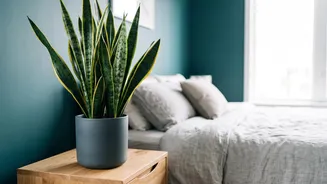
Putting it all together, it's easy to see why the snake plant is an ideal choice for the bedroom. Higher levels of CO2 at night can potentially disrupt sleep quality. By absorbing CO2 while you rest, the snake plant helps create a fresher environment. Its tolerance for low light means it will be happy in a corner away from the window, and its minimal watering needs make it a worry-free addition. Some believe that cleaner, more oxygen-rich air can also help reduce the impact of airborne allergens like dust and dander. Whether you're looking to improve your sleep environment, add a touch of green to your decor, or simply want a plant that won't die on you, the snake plant checks all the boxes.
Choosing Your Snake Plant
The term 'snake plant' actually covers a variety of plants within the Dracaena genus (formerly Sansevieria). They come in different sizes and patterns, so you can choose one that fits your style. The most common variety is Dracaena trifasciata 'Laurentii', with its tall, sword-like leaves edged in yellow. 'Zeylanica' has a similar shape but with dark green stripes. For smaller spaces, the 'Hahnii' variety, often called the Bird's Nest snake plant, grows in a shorter, rosette shape. No matter which you choose, you'll be getting the same hard-working, air-clearing benefits in a beautiful, sculptural package.