





The Great Monsoon Migration
While destinations like Goa, Kerala, and the Western Ghats have long been monsoon favourites, a significant shift is underway. A growing number of travellers, particularly millennials and adventure seekers, are looking north—to the high-altitude cold
deserts of Himachal Pradesh and Ladakh. This isn't just about avoiding the rain; it's about discovering a different kind of monsoon experience. Official data from early 2026 already shows a massive surge in tourism to Ladakh, with a 43.6% increase in visitors from January to May compared to the previous year, highlighting its rising popularity.
The Rain Shadow Advantage
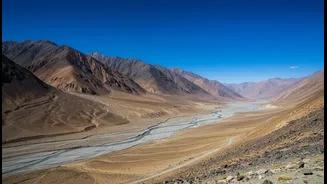
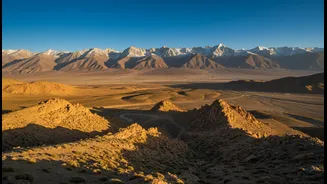
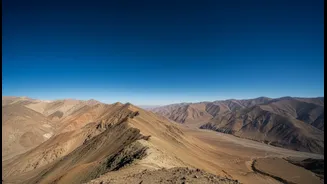
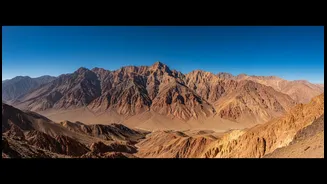
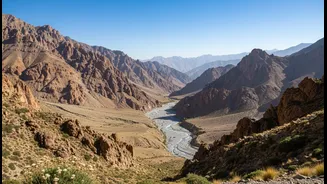
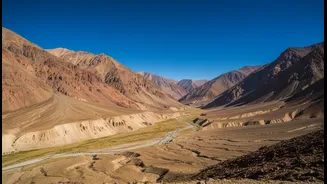
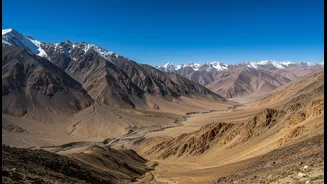
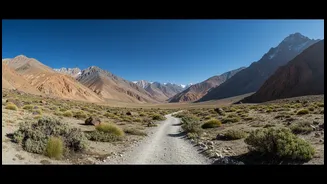
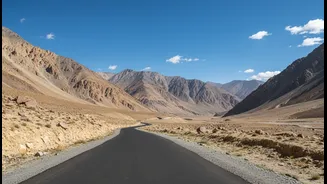
The primary reason for this trend is a geographical marvel: the rain shadow effect. The towering Himalayan ranges act as a colossal barrier, blocking the moisture-laden monsoon clouds from reaching the trans-Himalayan regions of Ladakh and Spiti. While the rest of the country is drenched, these areas remain remarkably dry, sunny, and accessible. This unique climatic condition makes July and August, the peak of the monsoon, the absolute best time to visit, offering clear blue skies and pleasant weather perfect for exploration.
Ladakh: Land of High Passes and Azure Lakes
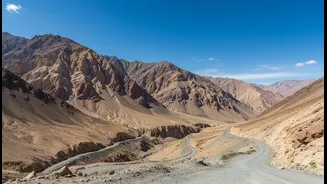
Ladakh has become the more accessible and popular of the two destinations, thanks in part to better connectivity and infrastructure. Its draw is undeniable: vast, open landscapes, dramatic mountain passes like Khardung La, and the almost-unreal turquoise hues of Pangong Tso. The region is a hub for adventure, offering everything from challenging treks to epic motorcycle journeys. During the monsoon months, ancient Buddhist monasteries like Thiksey and Hemis stand out against the clear skies, offering spiritual solace and a deep dive into the region’s rich cultural tapestry. The dry weather ensures that sightseeing and activities proceed without the interruptions common in other monsoon destinations.
Spiti: A World Within a World
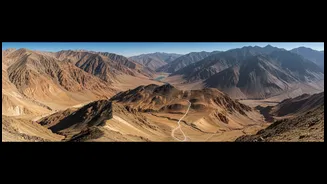
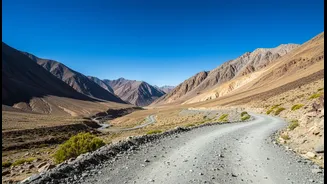
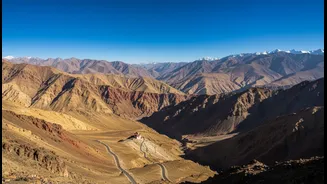
For those seeking a more remote and raw adventure, Spiti Valley is the answer. Often described as a world within a world, Spiti is more rugged and less crowded than Ladakh. Its landscape is a stark, moon-like desert dotted with ancient monasteries perched precariously on cliffs, such as the iconic Key Monastery and the UNESCO-recognized Tabo Monastery. While the valley itself is dry, the journey to Spiti—whether from Shimla or Manali—can be challenging due to monsoon effects on the approach roads. However, for those who make the journey, the reward is unparalleled solitude and an authentic connection with one of the most preserved cultures in the Himalayas.
The Modern Indian Traveller's Quest
This shift towards high-altitude deserts reflects broader changes in the preferences of Indian travellers. The desire for unique, experience-led travel is on the rise. Social media has played a significant role, with stunning images of Pangong Lake and Spiti's monasteries fueling a desire for 'Instagrammable' yet meaningful adventures. There is a growing appetite for breaking away from conventional holidays and seeking out challenging, transformative journeys. The appeal of disconnected, raw nature found in Spiti and Ladakh is a powerful antidote to urban life, and better road infrastructure and information have made these once-daunting destinations more achievable for the determined traveller.
Planning Your High-Altitude Escape
A trip to Spiti or Ladakh requires careful planning. Acclimatization is crucial to avoid altitude sickness; it's recommended to spend at least a full day resting upon arrival in Leh before starting any activity. While Spiti and Ladakh are dry, the approach roads, particularly the Manali route, are prone to landslides during the monsoon, so building buffer days into your itinerary is essential. Always carry layers of warm clothing as night temperatures can drop significantly even in summer. Finally, carry sufficient cash, especially for Spiti, as ATMs are scarce. With the right preparation, a monsoon trip to these Himalayan wonders can be the adventure of a lifetime.