







The Ashes of Euro 2000
To understand 2014, you must go back to 2000. German football was in crisis. A disastrous European Championship, where the defending champions crashed out in the group stage without a single win, was the final straw. The national team’s style was seen
as slow, physical, and outdated. The German Football Association (DFB) realised that fundamental change was needed. They mandated that every club in the top two divisions establish and maintain a youth academy, pouring millions into a nationwide system to find and nurture technically gifted players. The goal was to move away from brute force and embrace skill, speed, and intelligence.
The Löw Philosophy
Jürgen Klinsmann started the revolution as head coach in 2004, but it was his assistant, Joachim Löw, who perfected it after taking charge in 2006. Löw instilled a proactive, high-pressing, possession-based style of play. He built a team that was flexible, technically proficient, and tactically astute. Yet, for years, they were the 'nearly-men' of world football. Heartbreaking losses in the Euro 2008 final, the 2010 World Cup semi-final, and the Euro 2012 semi-final created a narrative of a brilliant team that couldn't take the final step. These defeats, however, weren't failures; they were lessons that forged resilience and experience in the squad.
A Perfect Mix: The 'Mannschaft'
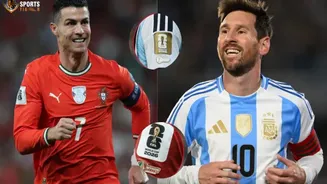
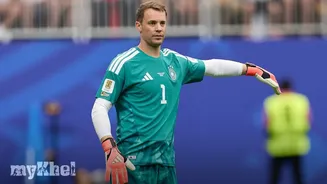
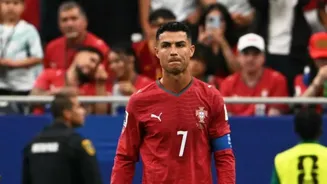
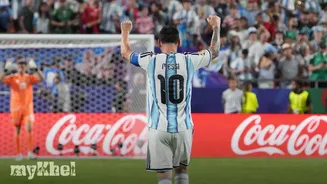
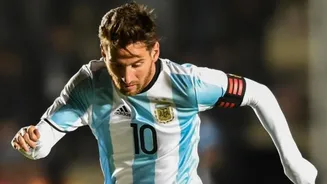
By 2014, the squad was a perfect blend of seasoned veterans and the golden generation born from the academy overhaul. Captain Philipp Lahm, Bastian Schweinsteiger, and Miroslav Klose provided a core of steel and experience. Around them blossomed the products of the new system: the brilliant Thomas Müller, the precise Toni Kroos, the creative Mesut Özil, and the world's best goalkeeper in Manuel Neuer, who redefined his position as a 'sweeper-keeper'. Unlike Argentina with Lionel Messi or Portugal with Cristiano Ronaldo, Germany was a true 'Mannschaft' – a team. Their strength was not a single superstar, but a collective spirit where every player understood their role perfectly.
The 7-1: A Statement in Belo Horizonte
Germany navigated a tough tournament path, including a hard-fought draw with Ghana and a nervy extra-time win against Algeria that tested their resolve. But their defining moment came in the semi-final against host nation Brazil. What was expected to be a titanic clash turned into a historic demolition. Germany scored five goals in the first 29 minutes, systematically dismantling Brazil with breathtaking speed and precision. The final score of 7-1 wasn't just a victory; it was a statement. It was the ultimate validation of their footballing philosophy, executed flawlessly on the biggest stage against the most storied opponent, leaving the football world in stunned silence.
Coronation in the Maracanã
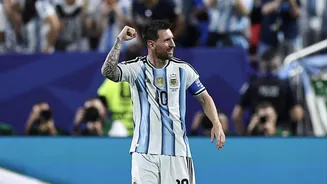
The final against a formidable Argentinian side, led by Lionel Messi, was a tense, attritional affair. It was a battle of German organisation against Argentinian grit. For 113 gruelling minutes, neither team could find a breakthrough. Then came the moment of magic. André Schürrle, a substitute, broke down the left wing and delivered a perfect cross. Mario Götze, another substitute, cushioned the ball on his chest and volleyed it into the far corner. It was a goal worthy of winning any final, and it perfectly encapsulated the German story: a moment of sublime technique from a player who was a product of the new system, created by the squad's depth.