
The Forward-Thinking Furniture Mindset
Second-move planning is the simple but revolutionary idea of buying furniture not just for the home you have now, but also for the home you might have in the future. In an era of frequent moves for work, family, or lifestyle changes, this approach saves
money, reduces stress, and prevents waste. Instead of being forced to sell a beloved sectional for pennies on the dollar or, worse, leave it on the curb, you invest in pieces with longevity and adaptability. It’s a shift from short-term satisfaction to long-term value, ensuring the items you purchase today remain assets, not liabilities, for years to come.
Prioritise Portability and Modularity
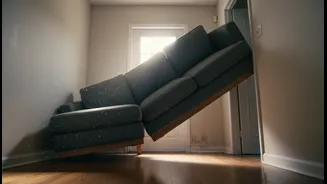
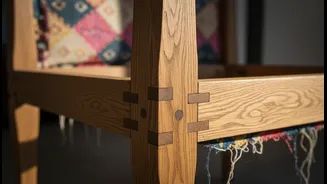
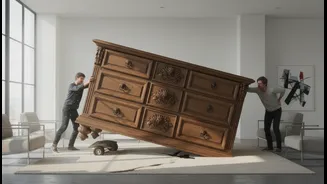
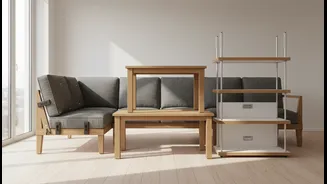
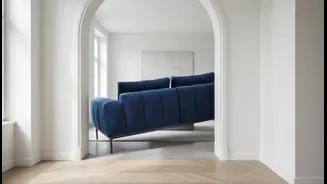
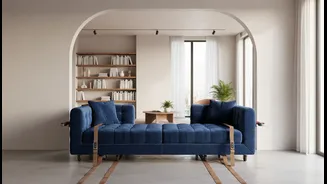
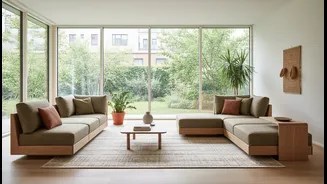
The single biggest obstacle for oversized furniture is getting it through tight spaces. Modern furniture designers are increasingly catering to frequent movers with modular and portable designs. Look for sofas that break down into smaller, manageable sections. These are far easier to navigate through narrow hallways, tight corners, and small elevators. Lightweight frames made from engineered wood or metal also reduce the strain of moving day. Some innovative brands even offer tool-free assembly, using interlocking joints that make disassembly just as simple as the initial setup. This not only protects your back but also prevents the dings and scratches that often occur when wrestling a bulky, single-piece frame.
Measure for Today and Tomorrow
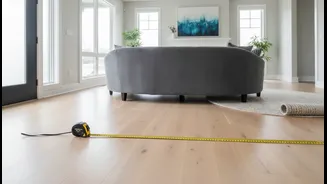
Measuring your current living room is standard practice, but second-move planning requires you to think beyond those four walls. Before buying a large piece, measure every potential obstacle between the front door and its final destination: doorways, stairwell widths, ceiling heights at landings, and elevator dimensions. More importantly, consider the future. If you’re currently in a spacious house but might move to a smaller city apartment later, that enormous, deep-set couch could become an expensive mistake. Opting for more compact or adaptable dimensions provides peace of mind, knowing your furniture has a better chance of fitting into your next chapter.
Invest in Quality Construction and Timeless Style
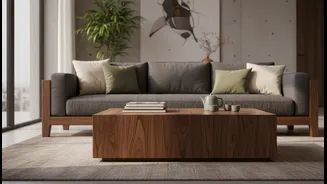
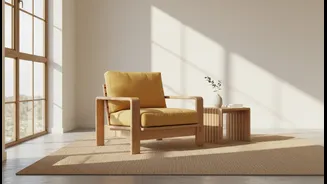
Cheap furniture rarely survives one move, let alone several. The “buy it for life” philosophy is central to second-move planning. Prioritise pieces with solid hardwood frames over those made from particleboard or MDF, which are prone to warping and breaking under stress. Check the joinery for dowels or corner blocks rather than just staples and glue. While quality costs more upfront, it pays off by avoiding the need for replacements. Equally important is the aesthetic. Ultra-trendy colours and shapes can feel dated in just a few years, prompting a desire to replace an otherwise functional item. Choosing classic silhouettes and neutral fabrics ensures your furniture remains stylish and adaptable to different decor schemes in future homes.
Understand the True Cost of Abandoning Furniture
Leaving furniture behind isn’t just a hassle; it has real financial and environmental consequences. Used furniture has notoriously low resale value, meaning that $3,000 sofa might only fetch a few hundred dollars online, if it sells at all. If you can’t sell or donate it, you may need to pay for bulk garbage pickup. Beyond the monetary loss, abandoned furniture contributes significantly to landfill waste. In the U.S. alone, millions of tons of furniture are thrown out annually. By planning ahead and buying durable, portable pieces, you’re not just making a smart financial choice for yourself; you’re also making a more responsible choice for the planet.