
From Cafe Lattes to Kitchen Rituals
For the generation that grew up with global cafe chains becoming their default 'third place' for dates, work, and hangouts, the coffee landscape is undergoing a quiet but significant shift. While cafes offering everything from cappuccinos to nitro cold
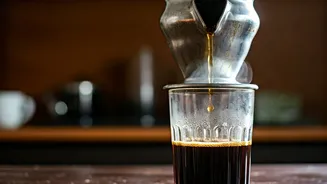
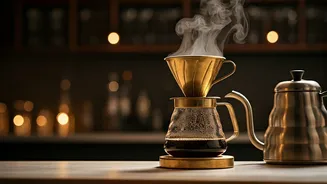
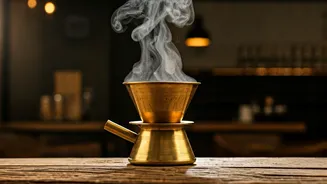
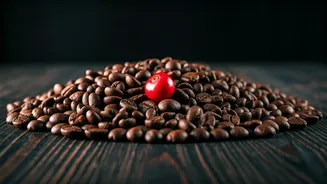
brews once defined coffee culture, a counter-movement is now brewing in kitchens across the country. Young urban Indians, many of whom are Gen Z and millennials, are swapping expensive takeaway cups for the metallic glint of a traditional filter coffee maker. This isn't just about saving money; it’s a conscious move towards a more deliberate, personal, and authentic beverage experience. After the boom of specialty coffee shops educated a new generation on beans, roasts, and brewing methods, many are now applying that curiosity to a drink rooted in their own heritage.
A Brew Steeped in Nostalgia
For many, the appeal of filter coffee is deeply emotional. The distinct, nutty aroma of a coffee-chicory blend isn't just a smell; it's a memory. It evokes images of grandparents and parents starting their day, the gentle drip of the decoction a familiar household sound. In South India, offering a guest a cup of 'kaapi' is a fundamental gesture of hospitality, a ritual woven into the fabric of daily life for generations. This connection to family and tradition offers a powerful sense of comfort and grounding for a generation navigating a high-stress, fast-paced world. In a way, making filter coffee has become a form of 'emotional support,' a predictable and calming ritual in an unpredictable world.
The Rise of New-Age 'Kaapi' Brands
This rediscovery hasn't gone unnoticed by entrepreneurs. A new wave of Direct-to-Consumer (D2C) brands has emerged, giving traditional filter coffee a modern makeover. Companies are now offering beautifully packaged, small-batch roasted coffee powders, often sourced from specific estates in regions like Chikmagalur and the Araku Valley. These brands speak the language of the modern consumer, focusing on transparency, ethical sourcing, and freshness, while delivering a product that promises authentic, 'hotel-style' taste at home. By making high-quality, traditional blends easily accessible online, they are bridging the gap between a time-honoured ritual and the convenience demanded by today's youth.
A Mindful Ritual for the Digital Age
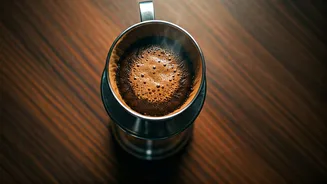
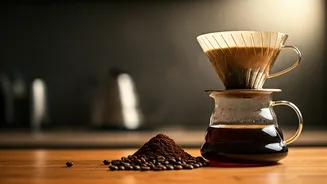
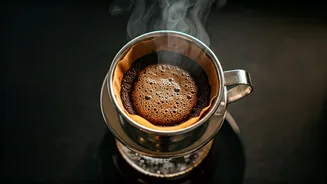
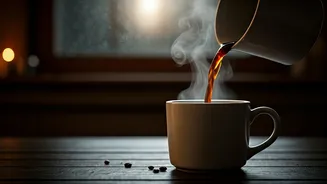
In an era of instant gratification, the slow, deliberate process of making filter coffee offers a welcome pause. The ritual involves packing the powder, pouring hot water, and waiting patiently for the dark, potent decoction to collect. This act has become a form of mindfulness for many, a small rebellion against the 'instant everything' culture. Furthermore, the aesthetic of filter coffee—the traditional brass or steel davara-tumbler, the frothy pull—is perfectly suited for the age of social media. It has moved from being just a drink on the kitchen counter to a cultural object, photographed and shared online, turning a personal ritual into a shared statement of taste and heritage.
Beyond its Southern Roots
Historically, filter coffee was a staple primarily in South Indian households. However, the current revival is seeing it break geographical boundaries and find new admirers across the country. From Mumbai apartments to Delhi co-working spaces, the appeal of this authentic brew is growing. The initial wave of cafe culture introduced the nation to coffee as a lifestyle beverage, and now, filter coffee is being embraced as a distinctly Indian part of that lifestyle. It represents a turn towards appreciating indigenous products and flavours, a choice that reflects local pride in a cup.