


The Invisible Additives in Our Meals
Microplastics are tiny plastic fragments, generally defined as pieces smaller than five millimetres. They come from the breakdown of larger plastic items, from synthetic clothing fibres, and even from intentional additives in products. A growing body
of research shows that these particles are making their way into our food system. While some contamination comes from environmental pollution, scientists are increasingly pointing to the containers our food is stored in as a direct source of these unwanted ingredients. The process is straightforward: plastics aren't completely stable, and they can shed microscopic particles over time. This shedding can be accelerated by physical stress, age, and, most significantly, changes in temperature.
From Container to Plate: How Plastics Leach
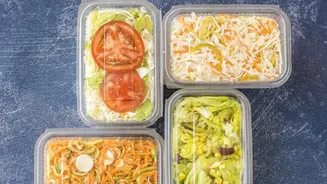
The transfer of microplastics from packaging to food happens through a process called leaching or migration. Several factors influence how many particles end up in your meal. Heat is the most significant accelerator. Studies have shown that microwaving food in plastic containers can release millions of microplastic and even smaller nanoplastic particles into the food. One study found that using a microwave to heat food in certain polypropylene containers could release over four million microplastic particles per square centimetre in just three minutes. Even containers labelled "microwave safe" have been shown to release these particles. Beyond heating, other factors like the acidity or fat content of the food can also increase leaching. The age and condition of the container matter, too; older, scratched containers tend to release more particles than new ones. Even refrigeration or room-temperature storage over long periods can cause a release of particles.
Common Culprits in the Kitchen
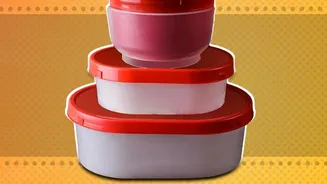
While many types of plastic are used in food packaging, some are more associated with particle shedding than others. Polypropylene (PP) and polyethylene (PE), commonly used for takeout containers, yogurt pots, reusable food tubs, and baby food pouches, are frequently cited in studies. Ready-to-heat meals in plastic trays are a particular area of concern, as the combination of plastic and heating creates prime conditions for particle migration. Single-use plastic water bottles are another major source, with one 2024 study finding an average of 240,000 plastic particles per litre. But it's not just hard plastics; plastic-lined paper coffee cups, plastic tea bags made of nylon or PET, and even the liners of some metal cans can contribute to our intake.
What Are the Potential Health Concerns?
This is the question scientists are working hard to answer. The science on the direct health effects of ingesting microplastics is still emerging, and there is no consensus on what level of exposure is harmful. However, preliminary research raises concerns. Some studies suggest microplastics can cause inflammation in the digestive system and alter the gut microbiome, which is crucial for overall health. There's also the issue of the chemical additives in plastics—substances like phthalates and bisphenols—which can leach into food along with the plastic particles. Many of these are known endocrine disruptors, meaning they can interfere with the body's hormonal systems. Lab studies on cells have shown that high concentrations of micro and nanoplastics can cause cell death, but it's important to note that these are early findings and may not translate directly to effects in the human body. Regulatory bodies like the European Food Safety Authority are actively reviewing the risks.
Simple Steps to Reduce Your Exposure
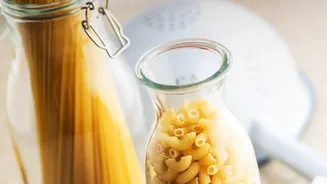
While completely avoiding microplastics is likely impossible in the modern world, you can take simple, practical steps to significantly reduce your exposure from food packaging. The most effective change is to avoid heating food in any kind of plastic container. Instead, transfer food to a glass or ceramic dish before microwaving or reheating in the oven. When possible, opt for food and drinks packaged in glass or stainless steel. Using filtered tap water instead of bottled water can also make a big difference. At home, store leftovers in glass containers and try to use non-plastic utensils, especially with hot food. Be mindful of single-use items like plastic-lined coffee cups and plastic tea bags, choosing reusable mugs and loose-leaf tea with a metal infuser instead. Choosing fresh, whole foods over highly processed options can also limit contact with multiple layers of packaging.