




How Stargazing Apps Work
Before diving into the best apps, it’s helpful to understand the technology that powers them. Most modern stargazing apps use your phone's built-in sensors—like GPS, the compass, and the gyroscope—to determine your exact location and the direction you're
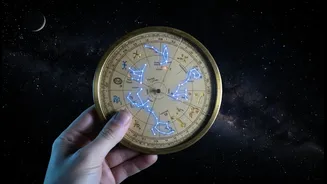
pointing your device. They then overlay a detailed star map onto your screen, creating a real-time window into the cosmos. Many use augmented reality (AR) to superimpose this celestial map directly onto your camera's view, allowing you to see labeled stars, planets, and constellations precisely where they are in the sky above you. This turns a potentially confusing experience into an interactive and educational one, perfect for all ages.
For the All-Around Enthusiast: Star Walk 2
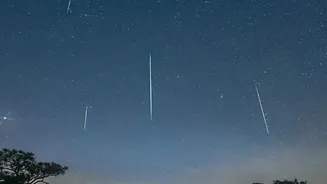
Star Walk 2 is a fan favourite for good reason. It combines a beautiful, user-friendly interface with a wealth of information, making it ideal for beginners and seasoned observers alike. The app excels at providing alerts for upcoming celestial events, including meteor showers, eclipses, and planet conjunctions, ensuring you never miss a show. Its "Visible Tonight" feature tells you exactly what to look for and when. One of its most powerful tools is the Time Machine, which allows you to scroll forward or backward in time to see how the sky will change, helping you plan your viewing sessions perfectly. While the base app is excellent, a premium version unlocks even more, including a larger database of deep-sky objects and satellites.
For Effortless Identification: SkyView Lite
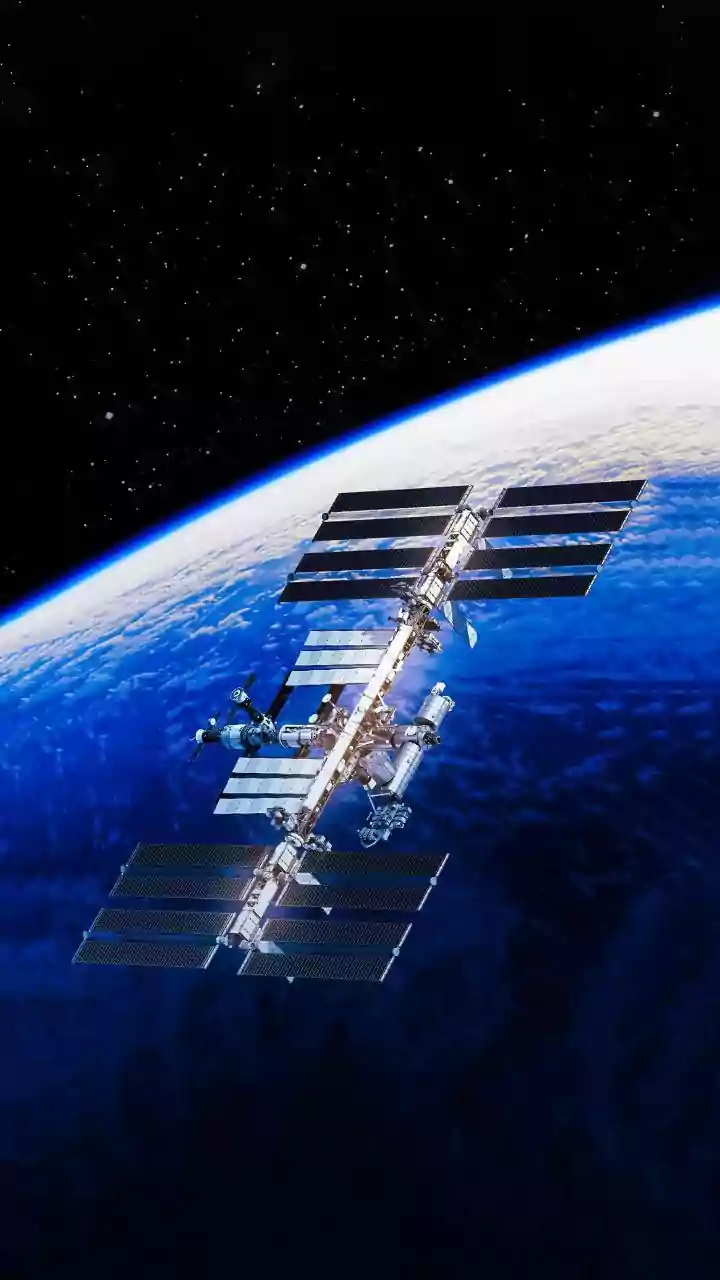
If you want an app that is simple, intuitive, and gets straight to the point, SkyView Lite is an excellent choice. Its primary function is its AR view; you just point your phone at the sky, and the app instantly identifies stars, constellations, planets, and even satellites like the International Space Station. It works offline, making it a reliable companion for camping trips or visits to remote, dark-sky locations. While it may not have the extensive planning features of other apps, its strength lies in its simplicity and ease of use, making it perfect for quickly satisfying your curiosity about a bright object in the sky.
For the Serious Observer: Stellarium Mobile
Stellarium Mobile is the pocket version of the acclaimed open-source desktop planetarium software. It's known for its highly realistic sky simulation, showing the atmosphere, sunrise, and sunset with impressive accuracy. The app boasts a massive catalogue of stars, nebulae, and galaxies, making it a powerful tool for those who want to dive deep. The Plus version is particularly useful for amateur astronomers, offering advanced features like telescope control, which allows you to connect the app to your GOTO telescope, and tools for predicting an object's visibility and transit times. Whether you're a casual observer or a dedicated hobbyist, Stellarium provides a comprehensive and accurate window to the universe.
For the Night Sky Photographer: PhotoPills
For those who don't just want to see the night sky but photograph it, PhotoPills is an indispensable tool. While it serves as a powerful stargazing app, its main purpose is planning complex astrophotography shots. The app’s 2D map-centric planner lets you figure out the exact position of the sun, moon, and Milky Way for any location at any future date and time. This is crucial for planning photos of a meteor shower with the galactic core in the background or capturing the moon rising behind a specific landmark. Its augmented reality view helps you frame your shot on-site, ensuring everything is perfectly aligned before you even set up your tripod. While it has a steeper learning curve, it is considered a game-changer for photographers.