





What Exactly Is Chaturmas?
Chaturmas, literally translating to "four months," is an auspicious period observed in Hinduism, Jainism, and Buddhism. It typically begins in July and ends around November, coinciding with the monsoon season. For 2026, this period starts on July 25 and concludes
on November 20. Traditionally, this is a time for spiritual introspection, penance, and fasting. Many auspicious events like weddings and housewarmings are paused. The spiritual narrative holds that Lord Vishnu enters a state of cosmic sleep (Yoga Nidra) during these months, encouraging devotees to turn their focus inward. It is also a time when wandering monks and ascetics would halt their travels to avoid harming the abundance of life that flourishes during the rains.
The Traditional Diet: A Monsoon Mandate
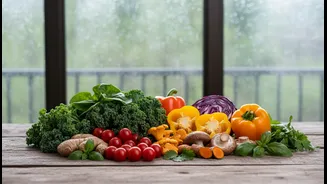
The dietary guidelines of Chaturmas are specific and deeply connected to the season. The rules often vary by month and community, but some common themes emerge. A primary guideline is the avoidance of green leafy vegetables during the first month, Shravana. In the second month, Bhadra, yogurt and curd-based dishes are typically restricted. The third month, Ashwin, sees an avoidance of milk. Finally, in the fourth month, Kartik, certain dals like urad dal are omitted. Additionally, many observers abstain from tamasic foods like onion, garlic, and non-vegetarian items throughout the entire period, favouring a simple, sattvic diet.
Ancient Wisdom Meets Modern Science
These ancient dietary rules are not arbitrary; they are rooted in profound ecological and physiological wisdom, much of which is supported by modern science. The monsoon season is when the digestive system is considered weaker according to Ayurveda, a concept referred to as diminished 'Agni' or digestive fire. Eating heavy, difficult-to-digest foods can strain the system. Furthermore, the increased humidity and moisture create a breeding ground for insects and microbes. Leafy green vegetables, for instance, are more susceptible to pests and bacterial contamination during this time, making their avoidance a practical health measure. Similarly, dairy products can spoil faster and may aggravate kapha (phlegm) related issues, which are common during the damp season.
Eating Right for the Rainy Season
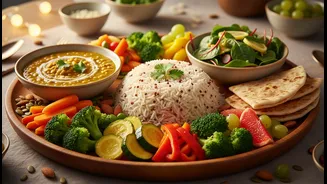
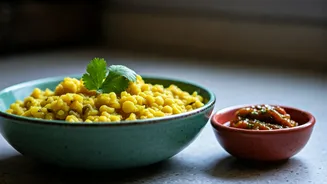
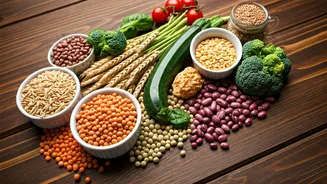
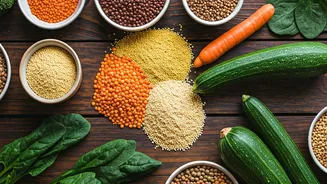
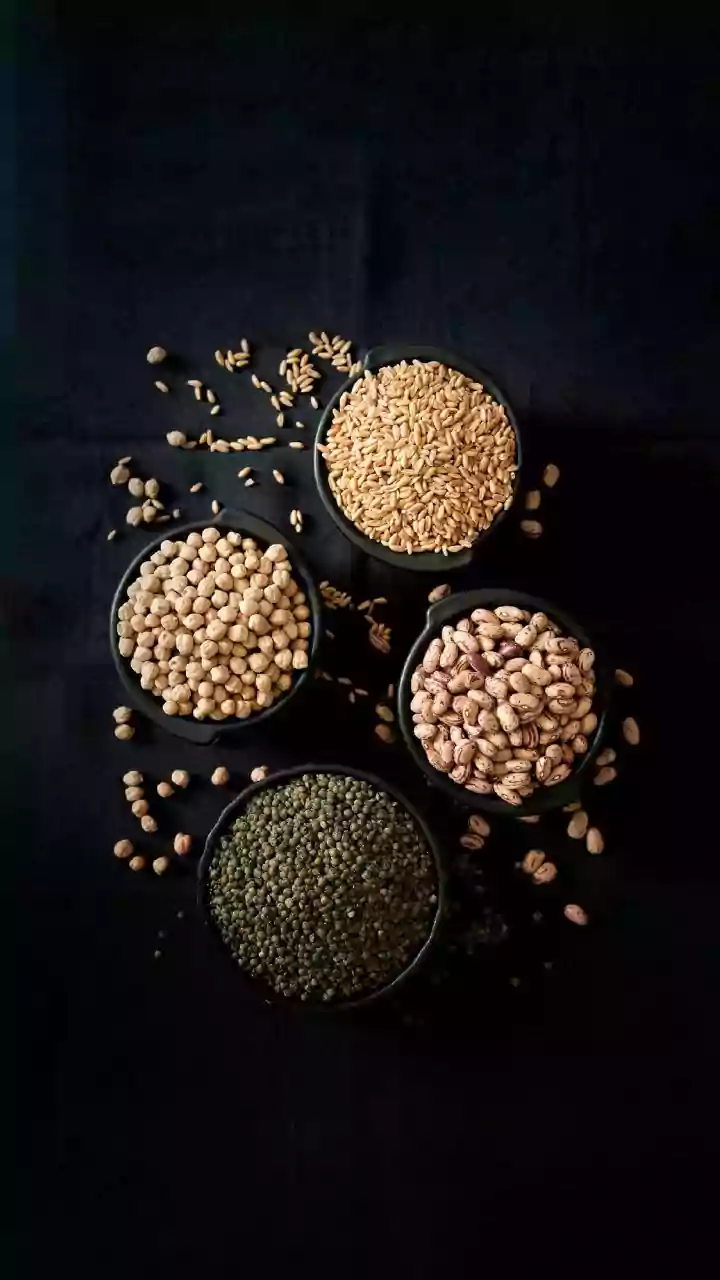
Chaturmas isn't just about what to avoid; it's also about embracing what is beneficial. The dietary wisdom encourages a shift towards light, warm, and easily digestible foods. This is the season for gourds like lauki (bottle gourd) and torai (ridge gourd), which are hydrating and easy on the stomach. Grains such as old rice, barley, and moong dal are preferred for their lightness. The use of warming spices like ginger, cumin, turmeric, and black pepper is encouraged, as they help stoke the digestive fire and possess anti-inflammatory and antimicrobial properties. Warm herbal teas and soups are also central to a monsoon diet, providing comfort and boosting immunity.
Adapting the Principles Today
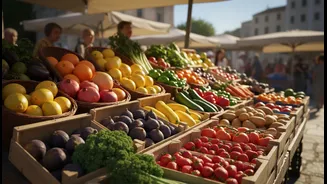
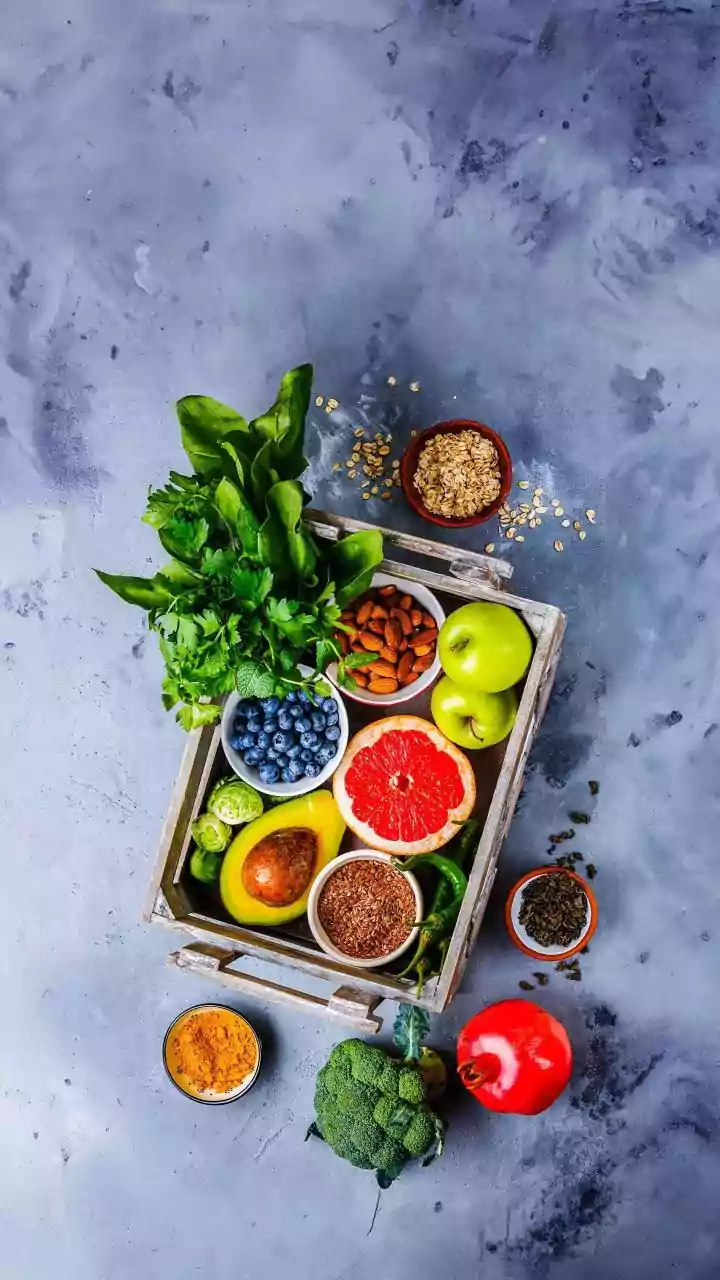
You don't need to follow every rule of Chaturmas to benefit from its core message. The underlying principle is about mindfulness and eating in sync with nature's rhythms. Simply being more conscious of where your food comes from and how it affects your body during the monsoon can make a significant difference. Prioritise cooked food over raw salads, wash all produce thoroughly, and opt for lighter meals, especially for dinner. Reduce your intake of heavy, fried, and processed foods that can make you feel sluggish. Instead, focus on seasonal vegetables, warm soups, and nourishing grains. This period is an invitation to give your digestive system a much-needed rest and reset.