






The Wait Is Over, For Some
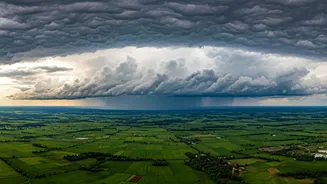
The southwest monsoon officially entered Rajasthan on July 2, a full seven days behind its normal schedule. The India Meteorological Department (IMD) confirmed that the monsoon's northern limit has passed through key eastern districts, bringing relief
from a prolonged spell of heat. With its arrival, the monsoon has covered 16 districts across the Kota, Bharatpur, Jaipur, and Udaipur divisions. For residents in cities like Jaipur and Kota, the arrival marks the beginning of the state's four-month rainy season and a welcome break from soaring temperatures. Officials expect conditions to remain favourable for the monsoon to advance into the remaining parts of the state over the next few days.
Why Was the Monsoon Late?
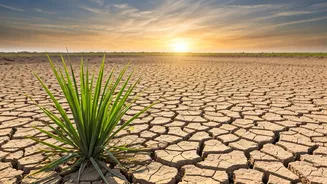
The delay wasn't unique to Rajasthan. June 2026 was one of the driest in recent history for India, with a nationwide rainfall deficit of over 40%. Meteorologists point to the lack of strong weather systems, like low-pressure areas in the Bay of Bengal, which are crucial for pulling the monsoon current inland and northward. These systems were largely absent for most of June, causing the monsoon to stall after its initial onset over Kerala. The result was a slower-than-usual progression across central and northern India, with Rajasthan being one of the last states on the plains to receive the seasonal rains.
The Ripple Effects of a Tardy Arrival
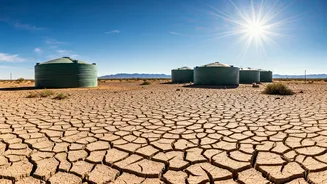
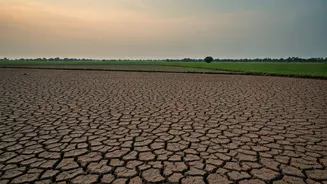
A week's delay might not sound like much, but for agriculture, it's a critical window. The late arrival has already disrupted the sowing schedule for key Kharif crops like bajra, moong, and guar, which are heavily dependent on the first wave of monsoon rains. Farmers across the state were in a race against time, with agricultural activities largely on hold. The delay also put immense pressure on the state's water resources. Before the monsoon's entry, a staggering 319 of Rajasthan’s 693 dams were completely dry, with many others holding only partial storage. This precarious situation amplified the urgency for substantial and widespread rainfall to replenish these vital water sources.
A Forecast of Hope and Caution
Now that the monsoon has arrived, the immediate forecast offers a dose of optimism. The IMD has issued warnings for heavy to extremely heavy rainfall in several districts of eastern and southeastern Rajasthan over the next week. Divisions like Kota, Jaipur, Bharatpur, and Ajmer are expected to see active and widespread rainfall, which could help compensate for the sowing delays and begin the process of recharging groundwater and filling reservoirs. Authorities have advised residents in these areas to remain cautious, particularly in low-lying regions, as the first spell of heavy rain can sometimes lead to localized waterlogging.
The Million-Rupee Question: Will It Be Enough?
While the immediate forecast is promising, the long-term outlook remains a cause for concern. The IMD's forecast for July, the most critical month for the monsoon season, suggests that rainfall for the country as a whole is likely to be below normal. Some weather models indicate that parts of western and northern India, which includes Rajasthan, could face rainfall deficits. After an exceptionally wet monsoon in 2025, the prospect of a weaker season this year puts a spotlight on water management and crop resilience. The delayed start combined with a potentially drier July means the performance of the monsoon in the coming weeks will be crucial in determining the fate of the agricultural season and the state's water security for the year ahead.