






What is Food Safety Connect?
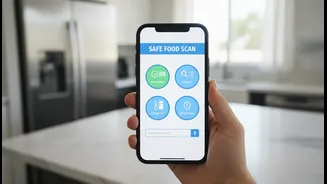
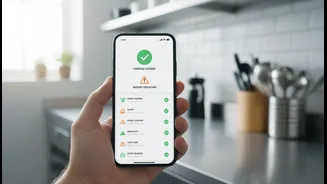
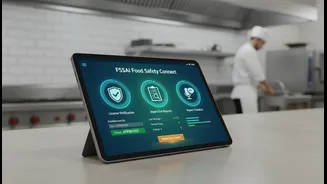
Food Safety Connect is the FSSAI's official consumer grievance platform, designed to be a one-stop solution for food-related issues. Available as both a mobile app and a web portal, it allows you to lodge complaints, track their progress, and even verify
the FSSAI license of any food business. The core objective is to create a responsive and transparent ecosystem where consumers can actively participate in upholding food safety standards across the country. Recent campaigns by the regulator have specifically urged citizens to move from simple awareness to active reporting, highlighting that public participation is crucial for enforcement and raising overall hygiene standards.
The Power of a Well-Documented Complaint
The effectiveness of this system hinges on a key condition mentioned in the headline: the quality of the information you provide. A vague complaint like "the food was bad" is difficult for authorities to act upon. However, a detailed report backed by clear evidence becomes a powerful tool for investigation. FSSAI officials need specific, verifiable details to initiate action, whether it's an inspection of a restaurant kitchen or a laboratory test of a packaged product. Without proper proof, even the most legitimate concern can stall. By providing accurate details, you are not just complaining; you are building a case that enables regulators to act decisively and hold businesses accountable.
How to File a Complaint: A Step-by-Step Guide
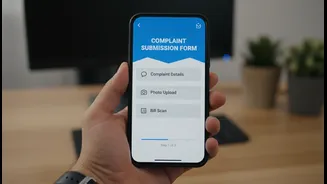
Using the Food Safety Connect platform is straightforward. First, download the 'Food Safety Connect' app from the Google Play Store or Apple App Store, or visit the consumer grievance portal on the FSSAI website. You will need to register using your mobile number or email ID, after which you'll receive an OTP to log in. Once logged in, select the option to 'Lodge New Complaint'. You will be prompted to provide details about the food business, including its name and address. If you can find the 14-digit FSSAI license or registration number—often printed on packaged goods or restaurant bills—include it, as this greatly speeds up the process. Next, choose the category of your complaint from a list that includes adulteration, expired products, poor hygiene, misleading labels, and more. The final and most crucial step is to upload your evidence before submitting. After submission, the system will generate a unique tracking ID for you to monitor the status of your grievance.
Your Essential Evidence Checklist
For your complaint to have the maximum impact, your evidence needs to be clear and comprehensive. Before you start filing, try to have the following ready: Photographs or Videos: Capture clear images or videos of the issue. This could be the foreign object in your food, the unhygienic conditions of a kitchen, or the expired date on a product. The Product and Packaging: If the issue is with a packaged item, do not throw it away immediately. Take photos of the packaging, brand name, manufacturing date, expiry date, and batch number. The Bill or Receipt: A receipt is the strongest proof of purchase, linking you, the product, and the vendor. It provides a date, time, and official record of the transaction. While you can still report general hygiene issues without a bill, it is essential for product-specific complaints. Business Details: Note the full name and address of the restaurant, store, or vendor. If you can see their FSSAI number displayed, take a picture of it.
After You Hit Submit: Tracking and Resolution
Once your complaint is lodged, you can use the unique tracking ID on the app or portal to follow its journey. The complaint is typically forwarded to the concerned food safety authority for verification and potential action, which could include an inspection or sample collection. In some instances, the complaint may first be sent to the food business operator for a direct response. If you are not satisfied with their resolution, the complaint can be escalated to the relevant state authorities. The app even includes a 'Re-Raise Complaint' option if you feel the initial outcome was inadequate, ensuring another layer of accountability.