



A Shift Below the Surface
For years, the houseplant boom was driven by what we could see: lush leaves, rare variegation, and beautiful, often brightly coloured, ceramic pots. Social media feeds were a testament to this visual feast. But a quiet, collective wisdom has emerged from
the inevitable casualties of this trend. Plant lovers are realizing that a thriving plant isn't just about the perfect sunlit shelfie; it's about what’s happening in the pot. The so-called "Drainage Era" marks a cultural shift from prioritizing pretty leaves and pots to focusing on the foundational health of the root system. It's an acknowledgment that the secret to a long-lasting indoor jungle lies not in flashy foliage, but in the unglamorous, yet vital, world of soil, aeration, and water flow.
The Root of the Problem: Understanding Root Rot
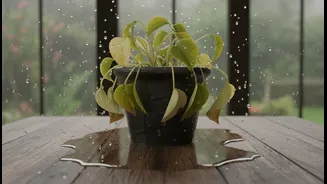
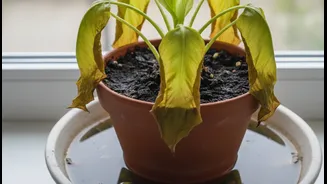
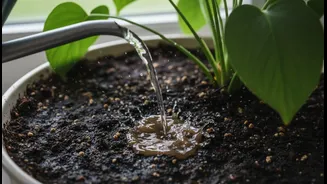
The number one killer of houseplants isn't neglect—it's too much love in the form of overwatering. This is where the drainage conversation begins. When a plant's roots sit in waterlogged soil, they are deprived of oxygen. This suffocating environment is the perfect breeding ground for fungi and bacteria that cause root rot. The roots turn brown, mushy, and lose their ability to absorb water and nutrients, effectively starving the plant from below. The irony is that the above-ground signs of root rot, like yellowing, wilting leaves, often look like signs of a thirsty plant, leading many well-intentioned owners to water even more, accelerating the decline. Proper drainage is the single most effective way to prevent this common tragedy.
It Starts with the Pot (and the Holes)
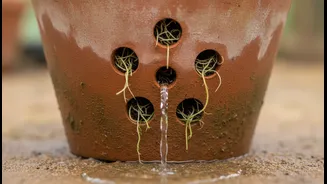
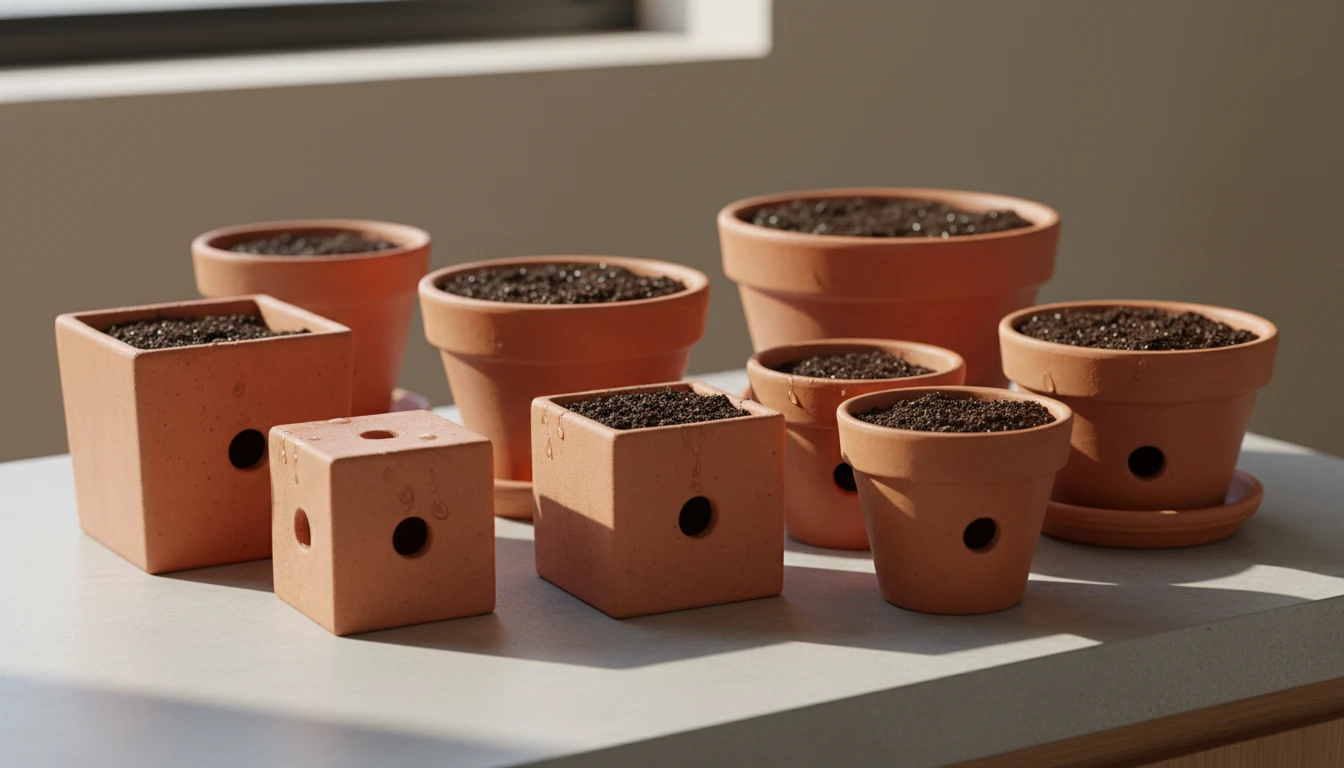
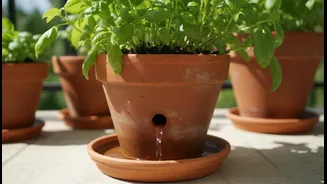
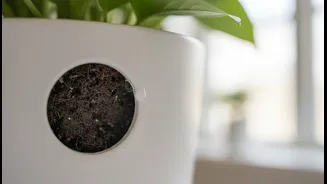
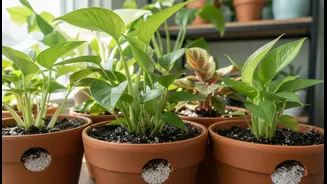
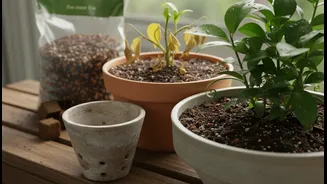
The most fundamental aspect of good drainage is infuriatingly simple: your pot must have holes in the bottom. Those stylish ceramic or cachepots without drainage are a primary culprit behind many a plant's demise. They trap water, creating a stagnant reservoir at the bottom that guarantees root rot. The solution is to use a simple plastic nursery pot (with ample drainage holes) that sits inside your decorative pot. This "pot-in-a-pot" system is the best of both worlds. After watering, you can simply lift the inner pot and discard any excess water that has collected in the outer vessel. And that old advice to put a layer of pebbles at the bottom of a hole-less pot? It's a myth. This practice doesn't improve drainage; it just raises the water table, bringing the stagnant water closer to the roots.
Not All Dirt Is Created Equal
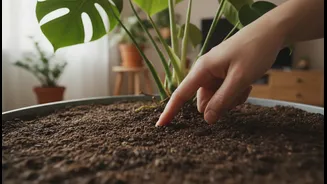
Once you have the right pot, the next step is the potting medium itself. Standard potting soil straight out of the bag is often too dense for many houseplants, retaining too much moisture. The key to entering your own drainage era is to create or choose a mix that is light and airy. This is achieved by using soil amendments that create air pockets and allow water to pass through more easily. The most common and effective amendments are perlite (lightweight volcanic glass) and pumice (porous volcanic rock). Other popular additions include orchid bark, sand, and coco coir, which help to improve soil structure and aeration. A good rule of thumb for many tropical houseplants is to mix standard potting soil with about 20-30% of these amendments to create a chunkier, better-draining medium.
Graduate Level: The Soil-Free Future
For those who have truly embraced the drainage mindset, the journey can even lead away from soil altogether. The rise of semi-hydroponics, using materials like LECA (Lightweight Expanded Clay Aggregate), is the ultimate expression of drainage culture. These porous clay balls provide structural support for the roots while wicking water up from a reservoir at the bottom of the pot. This method gives the plant constant access to both water and oxygen, virtually eliminating the risk of root rot from overwatering. While it requires a bit more research and a transition period for the plants, it shows just how far the conversation has evolved from simply watering a pot of dirt to actively managing the root zone environment for optimal health.