
A Conversation Between Textures
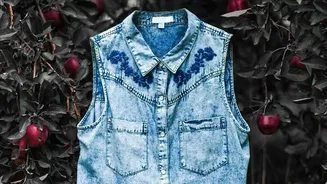
At its core, the appeal lies in a fundamental design principle: contrast. Denim is a sturdy, utilitarian twill fabric, born from workwear and built for durability. Its texture is often rugged and its character is casual, accessible, and mass-produced.
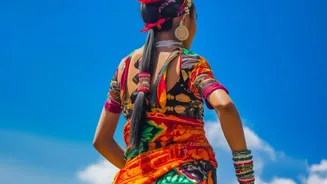
Embroidery, on the other hand, is the opposite. Whether it’s the delicate shadow work of Chikankari from Lucknow or the vibrant running stitch of West Bengal's Kantha, embroidery is an art form steeped in heritage and meticulous craftsmanship. Each piece, especially when done by hand, is unique and carries the story of its maker. When these two meet, a visual dialogue begins. The refined, delicate nature of embroidery elevates the humble denim, turning a wardrobe staple into wearable art. Conversely, the casual, hardy nature of denim grounds the embroidery, making ancient crafts feel modern, approachable, and suitable for everyday life. This high-low mix prevents the embroidery from feeling too formal or costume-like.
From Ceremonial Garb to Everyday Chic
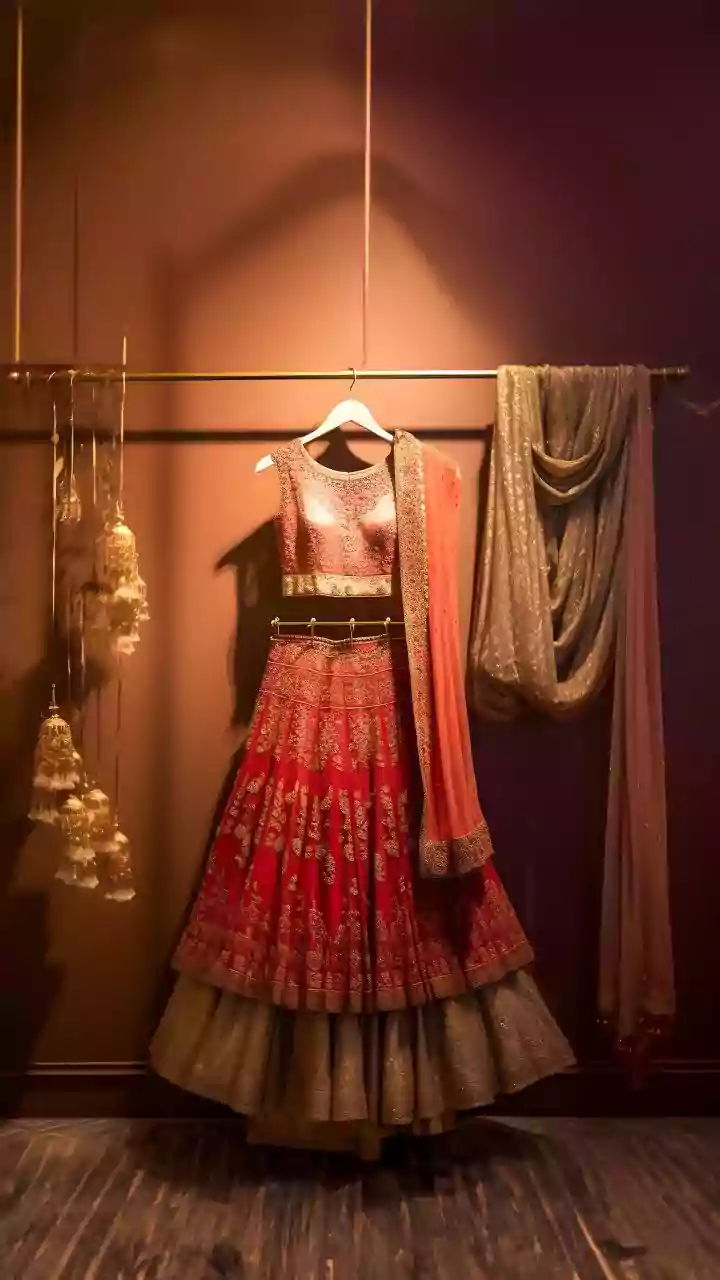
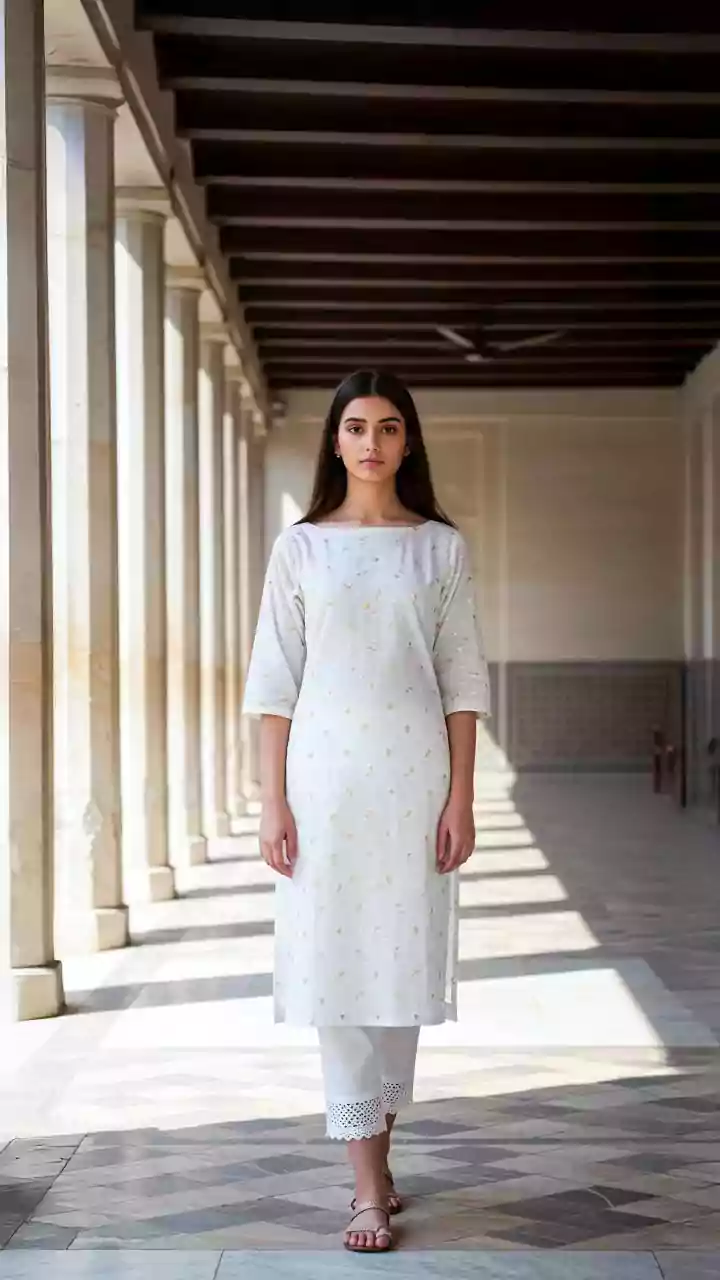
Historically, many traditional embroidery styles were reserved for special garments: wedding attire, religious ceremonies, or items for royalty. Punjab's Phulkari, meaning “flower work,” was traditionally part of a bride's trousseau. These were heirloom pieces, not meant for daily wear. Pairing these crafts with denim represents a significant cultural shift. It takes embroidery out of the trunk and into the world, transforming it from a preserved artifact into a living part of one's identity. For many, wearing a kurti with Chikankari work over jeans is a way to stay connected to their roots while navigating a modern lifestyle. It’s a practical fusion that reflects the blended identities of contemporary individuals who move between cultural contexts. This combination makes heritage accessible and relevant, proving you don't need a special occasion to celebrate craftsmanship.
The Power of Juxtaposition in Fashion
Fashion has long been fascinated with juxtaposition—mixing hard with soft, formal with casual, old with new. The trend of embroidered denim isn't entirely new; it gained widespread popularity during the counterculture movements of the 1960s and '70s, where hand-stitched flowers and symbols on denim jackets became expressions of individuality and rebellion. Today, that same spirit of self-expression continues. A designer might use the simple running stitches of Kantha, an art form born from upcycling old fabrics, on a brand-new jacket, creating a piece that nods to sustainability and storytelling. This blending allows for personal narrative. An embroidered piece on a denim jacket can signify heritage, a travel memory, or a connection to artisanal craft, making a mass-produced garment feel deeply personal.
Making the Look Work
While the pairing is inherently stylish, balance is key to making it look intentional and chic. When styling an embroidered piece with denim, the goal is often to let the craftsmanship shine. For example, a heavily embroidered Phulkari jacket or a detailed Chikankari kurti works best with simple, clean-lined jeans that don't compete for attention. The fit also matters. A short, embroidered kurti pairs well with wide-leg or baggy jeans for a contemporary silhouette, while longer kurtis often look more balanced with straight-leg or slim-fit denim. The look can be dressed up with heels and statement jewelry or down with sneakers and a tote bag, making it one of the most versatile combinations in a modern wardrobe. It’s a formula that can take you from a casual brunch to an office setting with just a few simple swaps.