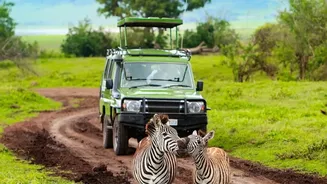

When winter arrives, India’s wilderness transforms. The crisp air, thinner foliage, and altered animal behaviours create a magical setting for a safari. Here are five destinations that offer unforgettable wildlife encounters in the colder months.
Ranthambore National Park, Rajasthan
Winter
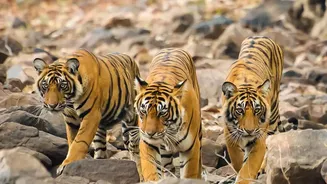
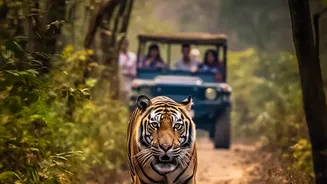
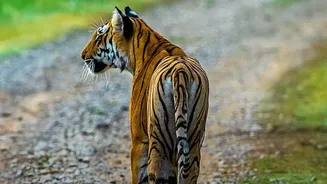
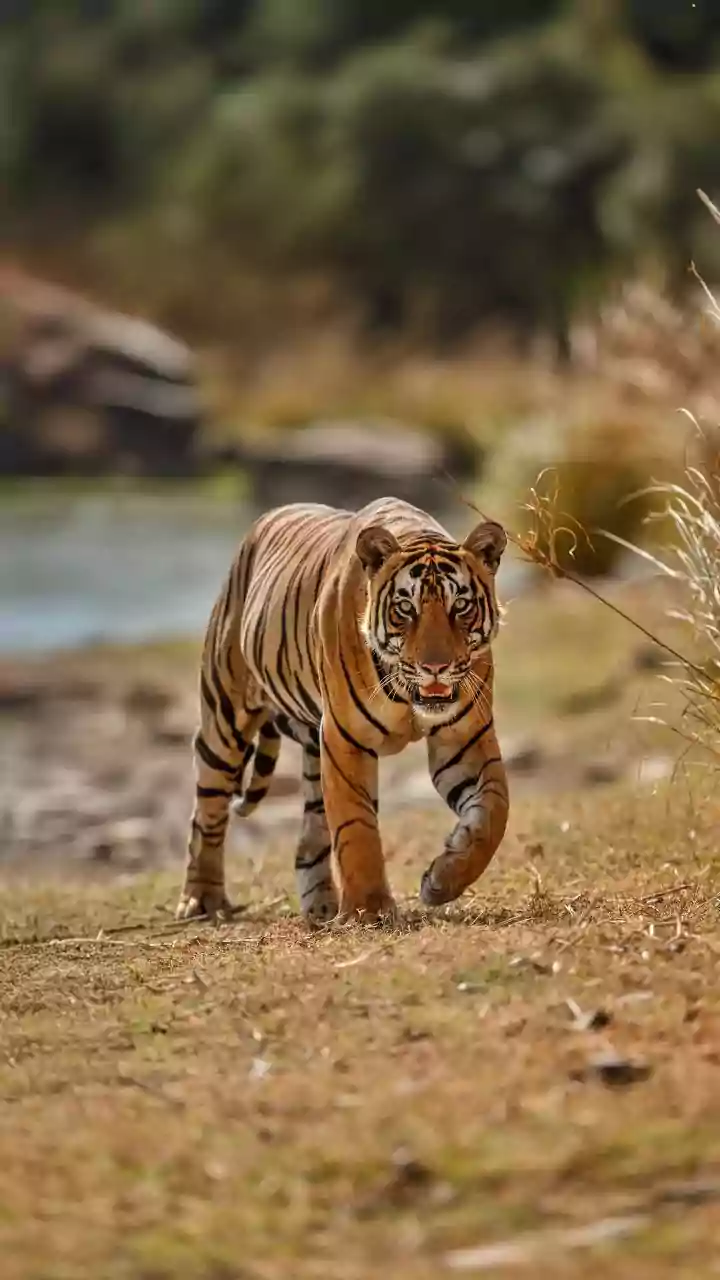
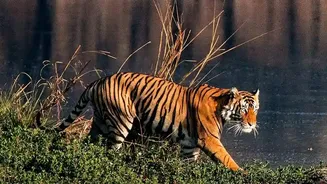
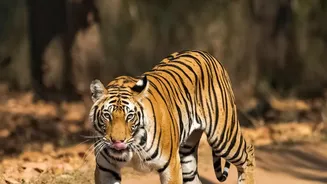
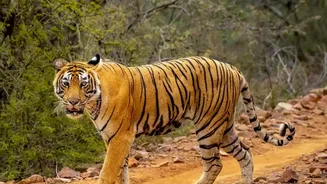
is an excellent time to visit Ranthambore, one of India's most famous tiger reserves. With pleasant daytime temperatures, the safari experience is far more comfortable than during the scorching summer months. The real advantage for wildlife enthusiasts is the behaviour of the animals. Tigers are often seen basking in the winter sun to warm up, increasing the chances of a memorable sighting. The soft morning light filtering through the dry deciduous forest also creates a stunning backdrop, with ancient ruins and lakes adding to the park's unique charm. Besides the majestic Royal Bengal tiger, you can also spot leopards, sloth bears, sambar deer, and a variety of birds. The lower vegetation makes it easier to spot these animals as they move through the landscape. Early morning safaris can be quite chilly, so packing warm layers is essential for a comfortable trip.
Kaziranga National Park, Assam
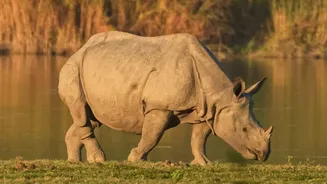
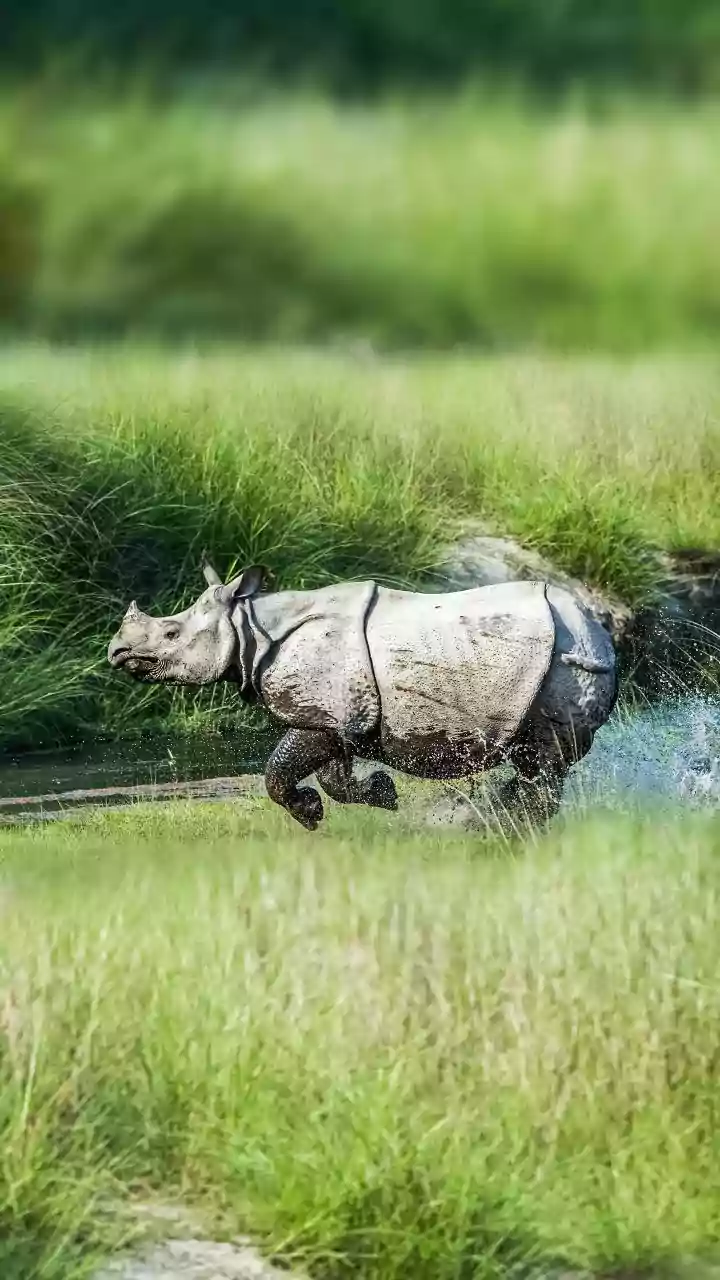
For Kaziranga, a UNESCO World Heritage Site, winter isn't just a good time to visit—it's the primary season. The park remains closed during the monsoon due to flooding from the Brahmaputra River, reopening from November to April. Winter offers pleasant weather and prime wildlife viewing conditions. Kaziranga is globally renowned for holding two-thirds of the world's great one-horned rhinoceros population. In winter, the tall elephant grass recedes or is part of controlled burns, making it significantly easier to spot these prehistoric-looking giants, along with herds of wild elephants, swamp deer, and Asiatic wild buffalo. The park's wetlands also become a haven for migratory birds from Central Asia and Siberia, making it a paradise for birdwatchers. Species like the bar-headed goose and ruddy shelduck can be seen in large numbers.
Jim Corbett National Park, Uttarakhand
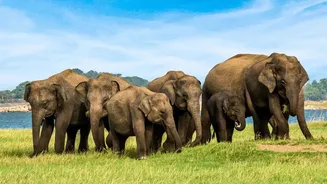
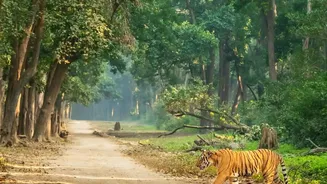
As India's oldest national park, Jim Corbett offers a classic safari experience against the backdrop of the Himalayan foothills. The winter months, from November to February, are considered one of the best times to explore its diverse landscapes of sal forests, grasslands, and the Ramganga River. The weather is cool and pleasant, and with less foliage, visibility into the forest improves dramatically. This increases the chances of spotting the park's famed Bengal tigers, which are more active during the cooler daytime hours. It's also an excellent time to see large herds of Asiatic elephants. Furthermore, winter is the peak season for birdwatching in Corbett, with over 600 resident and migratory species recorded. The arrival of birds from colder regions adds another layer of excitement to any safari. The misty mornings and golden afternoon light make for a truly atmospheric and picturesque jungle experience.
Hemis National Park, Ladakh
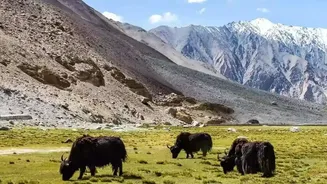
For the truly adventurous wildlife enthusiast, a winter trip to Hemis National Park offers a once-in-a-lifetime quest: to spot the elusive snow leopard. Often called the 'Ghost of the Mountains', this big cat is incredibly difficult to find. However, during the harsh winter months of January to March, its prey, such as the blue sheep (bharal) and ibex, move down to lower altitudes in search of food. The snow leopards follow them, bringing them into a more accessible range for tracking. This is not a typical jeep safari; it involves trekking at high altitudes in freezing temperatures, often below -20°C, and requires immense patience. Visitors join expert spotters and guides, spending days scanning the stark, snow-covered ridges. While a sighting is never guaranteed, the dramatic Himalayan landscape and the presence of other unique high-altitude wildlife like the Himalayan wolf and red fox make the expedition an unforgettable adventure in itself.
Keoladeo National Park, Rajasthan
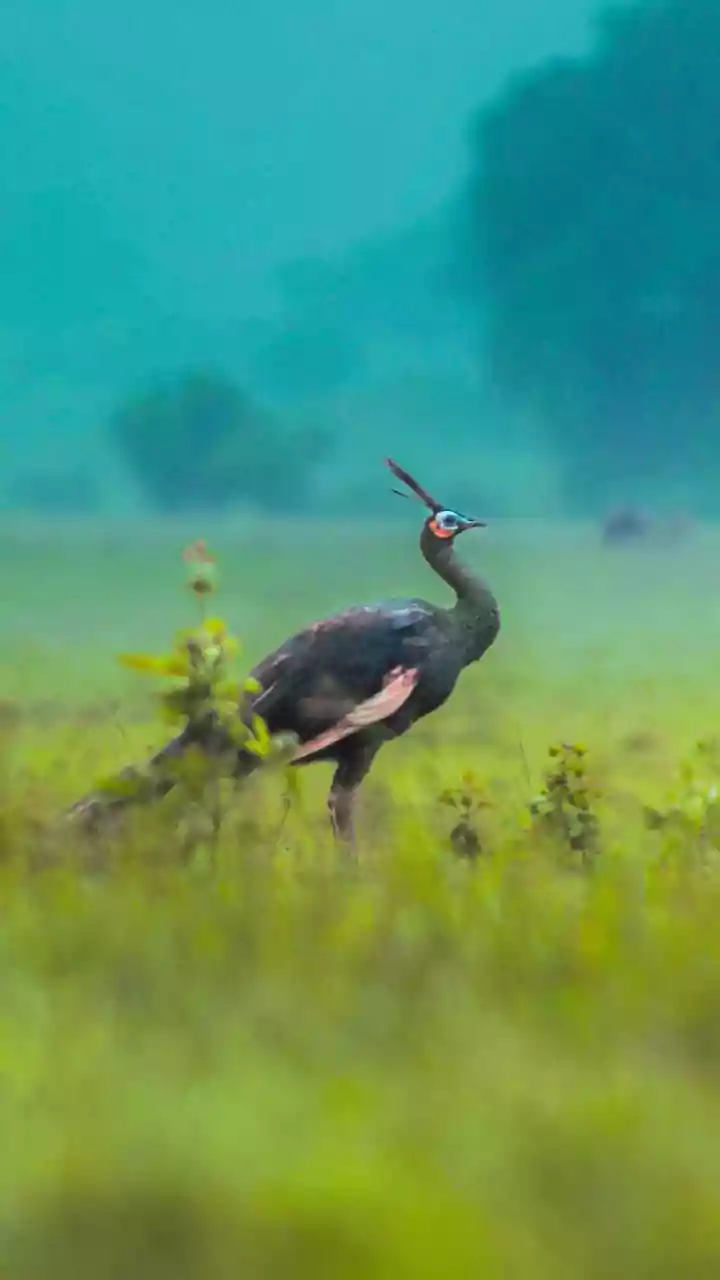
Formerly known as Bharatpur Bird Sanctuary, Keoladeo National Park is a world-renowned haven for birds and a UNESCO World Heritage Site. While it offers rewards year-round, the park truly comes alive between October and February. During this prime winter season, the wetlands host a staggering number of migratory birds that fly thousands of kilometres from Siberia, Europe, and Central Asia to escape the harsh northern winters. Visitors can expect to see huge flocks of bar-headed geese, northern shovelers, common teals, and various eagles. Unlike other national parks, Keoladeo is explored on foot, by bicycle, or on cycle-rickshaws, whose drivers are often expert bird guides. This allows for a quiet, intimate, and democratic wildlife experience. The park is a mosaic of wetlands, woodlands, and grasslands, where you can also spot resident species like the majestic sarus crane and animals like pythons, nilgai, and deer.