








Why Your Digestion Slows Down
The magic of the monsoon comes with a side effect: high humidity. This damp environment can slow down our 'agni' or digestive fire, according to Ayurvedic principles. In modern terms, our metabolism and digestive capabilities take a hit. The body finds
it harder to break down heavy, oily, and complex foods. This sluggish digestion, combined with an increased risk of contaminated water and produce, makes us more susceptible to bloating, indigestion, stomach infections, and food poisoning. Eating light, therefore, isn't just a suggestion; it's a strategic move to support your body when it's naturally more vulnerable.
Embrace Warm, Cooked Meals
This is the season for comfort in a bowl. Think warm soups, broths, and simple, home-cooked meals like dal, rice, and steamed vegetables. Cooking food kills most harmful germs and bacteria that thrive in the monsoon dampness. Warm foods are also easier for a sluggish digestive system to process. A bowl of moong dal soup, a simple khichdi, or even a vegetable stew can provide nourishment without overburdening your gut. Avoid cold foods and drinks straight from the refrigerator, as they can further dampen your digestive fire.
Be Smart About Fruits and Vegetables
While fruits and veggies are essential, your choices matter more during the rains. Opt for seasonal fruits like pomegranates, apples, pears, and bananas. Non-leafy vegetables like gourds (lauki, tori), pumpkin, and bitter vegetables like karela and neem are excellent choices. They are light on the stomach and often have properties that help prevent infections. It's crucial to wash all produce thoroughly, perhaps with a bit of salt or vinegar in the water, and to peel fruits before eating them. Avoid pre-cut fruits sold by vendors, as they are highly susceptible to contamination.
The Problem with Raw and Leafy Greens
As much as you love a fresh salad, the monsoon is the time to press pause. Raw vegetables can be a breeding ground for germs. Leafy greens like spinach, cabbage, and cauliflower are particularly risky. The grime, mud, and moisture lodged in their leaves make them difficult to clean thoroughly, increasing the risk of bacterial infections. If you must have them, ensure they are blanched in hot water or cooked very well before consumption. It's safer to stick to vegetables that can be peeled and cooked.
Steer Clear of Street Food
The craving for hot pakoras and chaat is strongest when it rains, but this is a craving best controlled. Street food is often prepared in less-than-hygienic conditions, and the water used for chutneys and pani puri can be a major source of infection. Furthermore, deep-fried items are heavy and difficult to digest, putting extra strain on your system. If the craving is irresistible, try making a healthier, home-cooked version where you can control the quality of the oil and ingredients.
Hydrate Wisely and Boost Immunity
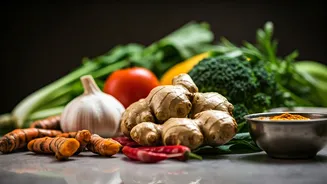
While you might not feel as thirsty due to the humidity, staying hydrated is vital. However, stick to boiled, filtered, or purified water. Avoid tap water or drinks from unknown sources. A fantastic way to hydrate and boost immunity is by drinking herbal teas. Brews made with ginger, tulsi, black pepper, and cinnamon not only keep you warm but also have antibacterial and anti-inflammatory properties that help fight off common monsoon ailments like colds and flu. A pinch of turmeric in warm milk at night is another age-old remedy for keeping infections at bay.